

With the rapid development of new energy vehicles and energy storage technologies, lithium-ion batteries, as the core power source, have always been a focal point of concern for consumers and the industry. Among the mainstream technical routes, NCM (Nickel-Cobalt-Manganese, ternary) lithium-ion batteries and LFP (Lithium Iron Phosphate) lithium-ion batteries exhibit significant differences in safety. This article will conduct a comprehensive comparison between the two from multiple dimensions, including material characteristics, thermal stability, mechanical safety, practical application scenarios, and safety protection technologies.
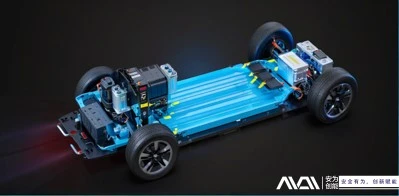
1. Differences in Material Characteristics and Thermal Stability
The core advantage of LFP batteries lies in the chemical stability of their cathode material, Lithium Iron Phosphate (LiFePO₄). This material has a decomposition temperature as high as 800°C under high temperatures and only emits smoke without catching fire under extreme conditions such as nail penetration and overcharging, demonstrating excellent resistance to thermal runaway. For example, BYD's Blade Battery has improved its volume utilization by 50% through structural optimization, narrowing the range gap with NCM batteries while maintaining safety.
In contrast, the cathode materials of NCM batteries (such as NCM or NCA) contain active metal elements like nickel and cobalt, which may undergo thermal runaway at around 250°C and release oxygen during decomposition, exacerbating combustion risks. Although the adoption of high-nickel and low-cobalt (e.g., NCMA quaternary) batteries and solid-state electrolyte technologies can reduce some risks, their inherent material characteristics still determine that their thermal stability is weaker than that of LFP batteries.

2. Mechanical Safety and Practical Application Risks
In mechanical impact tests, LFP batteries exhibit stronger resistance to damage. Nail penetration tests show that NCM batteries can reach peak temperatures of 400-600°C within 10 seconds, while LFP batteries take up to 2 minutes to reach 300°C. This difference stems from the olivine structure of the LFP material, whose crystal framework is less prone to collapse under external forces, reducing the likelihood of internal short circuits.
In practical applications, LFP batteries are widely used in electric buses and commercial vehicles. For instance, certain BYD models achieve a long service life of 8-10 years and low maintenance costs by optimizing battery pack structures. On the other hand, due to their high energy density, NCM batteries are often used in high-end passenger vehicles but rely on more complex thermal management systems to control temperatures. For example, Tesla's 4680 battery reduces short-circuit risks through a tab-less design and is equipped with a liquid cooling system to maintain an optimal operating temperature.
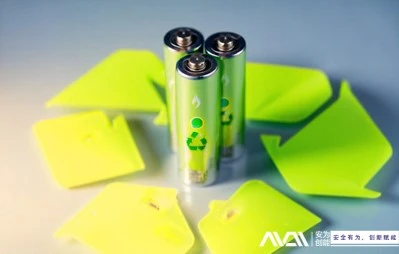
3. Low-Temperature Performance and Adaptability to Extreme Environments
NCM batteries have significant advantages in low-temperature environments. At -20°C, their capacity retention rate can exceed 70%, while that of LFP batteries drops to around 60%. This difference is attributed to the smaller decrease in ion mobility of the electrolyte in NCM batteries at low temperatures and the higher activity of their electrode materials. For example, the Zeekr 001 achieves a practical range retention rate of 65% in winter tests, while some LFP models only achieve 50%.
However, high-temperature environments pose greater challenges for NCM batteries. Under direct sunlight exposure in summer, NCM batteries need to avoid simultaneous use of fast charging and high temperatures, which may trigger thermal runaway. In contrast, LFP batteries can be used with confidence in high-temperature environments due to their high decomposition temperature. For instance, the BYD Han EV operates stably in southern regions without additional thermal management.
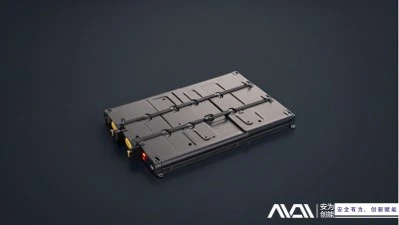
4. Safety Protection Technologies and System Designs
Modern lithium-ion battery safety protection has evolved into a multi-layered system. LFP batteries rely on Battery Management Systems (BMS) to monitor voltage, current, and temperature in real-time. For example, NIO's Baas service alleviates low-temperature shortcomings through battery preheating systems while leveraging the long lifespan of LFP batteries (exceeding 3000 cycles) to reduce replacement frequency.
NCM batteries, on the other hand, depend on more intelligent BMS and structural innovations. For instance, CATL's NCM811 battery reduces risks through high-strength battery packs and thermal management systems, while Tesla's 4680 battery adopts a tab-less design to minimize short-circuit probabilities. Additionally, manganese-based doping technology for LFP batteries (such as Lithium Manganese Iron Phosphate) can increase energy density to 200Wh/kg, while the high-nickel and low-cobalt (e.g., NCMA quaternary) approach for NCM batteries is driving down costs. The differing technical paths in safety protection between the two reflect their fundamental design philosophies: LFP batteries prioritize material stability, while NCM batteries emphasize system integration.
5. Application Scenarios and Consumer Decision-Making Recommendations
When choosing between battery types, consumers should comprehensively consider their usage scenarios and needs. If residing in cold northern regions or pursuing long range, NCM batteries are a better choice; if in hot southern regions or prioritizing safety and cost, LFP batteries are more advantageous. For example, the Wuling Hongguang MINI EV adopts LFP batteries for cost-effectiveness, while the Tesla Model Y Long Range version relies on NCM batteries for high energy density.
In daily use, both types of batteries should avoid overcharging (>95%), over-discharging (<5%), and extreme temperatures (>50°C or <-30°C). LFP batteries can be used "roughly" but should prevent long-term deep discharging; NCM batteries require "meticulous care," with strict control over charging limits and fast-charging frequency. It is recommended to check the battery's State of Health (SOH) annually through the BMS. If the capacity of an LFP battery drops sharply, it may indicate a single-cell fault, requiring professional inspection.
6. Summary of Safety Comparison and Future Outlook
LFP batteries excel in thermal stability, mechanical safety, and cost, making them suitable for scenarios with high safety requirements. NCM batteries, on the other hand, stand out in energy density and low-temperature performance, catering to high-end passenger vehicles and cold regions. With technological advancements, the gap between the two is narrowing. For instance, CATL's Shenxing Superfast Charging Battery enables LFP batteries to achieve "charging for 5 minutes, driving over 520 kilometers," while high-nickel and low-cobalt technologies reduce the cost of NCM batteries.
In the future, battery technology may evolve towards "hybrid" solutions, such as the combination of front-axle NCM and rear-axle LFP batteries in the Li Auto MEGA, balancing performance and cost. Consumers should weigh safety, range, cost, and other factors based on their actual needs when choosing, rather than solely pursuing technical specifications. With the intelligence of battery management systems and the deepening of material innovations, the safety of lithium-ion batteries will continue to improve, providing more reliable guarantees for the popularization of new energy vehicles and energy storage technologies.