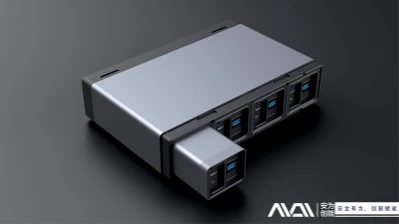
Against the backdrop of fluctuating energy prices and the growing adoption of renewable energy, home energy storage batteries are emerging as a critical tool for modern households to reduce electricity costs and enhance energy independence. AVEnergy's new-generation residential energy storage system stands out in the market with its "compact size, high storage capacity" design philosophy. This article delves into how the system achieves electricity cost savings through scientific energy storage, analyzing its technological breakthroughs, economic benefits, application scenarios, and user case studies.
1. Technological Breakthroughs: How Does Compact Size Achieve High Storage Capacity?
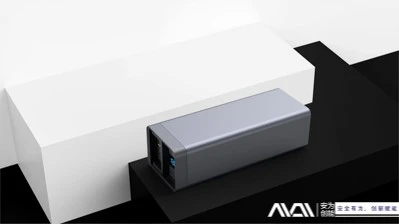
The core of AVEnergy's energy storage system lies in its innovative battery technology and integrated system design. The system employs lithium iron phosphate (LiFePO4) batteries, a preferred choice for home energy storage due to their high safety, long cycle life, and environmental friendliness. Compared to traditional lead-acid batteries, LiFePO4 batteries offer over three times the energy density, resulting in a smaller, lighter design while supporting over 2,000 charge-discharge cycles and a lifespan of up to 10 years.
AVEnergy further optimizes energy storage efficiency through the following technological innovations:
Modular Design: The system utilizes standardized battery modules, allowing users to flexibly expand capacity based on household electricity demand. For example, a 51.2V/100Ah module can store 5 kWh of electricity, and capacity can be easily scaled to 10 kWh, 20 kWh, or higher by paralleling multiple modules.
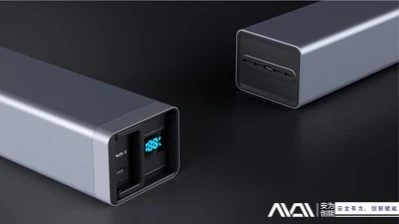
Intelligent Battery Management System (BMS): The BMS continuously monitors battery status and dynamically adjusts charge-discharge strategies to prevent overcharging and over-discharging, thereby extending battery life. Additionally, the system supports seamless integration with home solar systems, prioritizing solar power usage to reduce reliance on grid electricity.
Highly Integrated Inverter: The built-in bidirectional inverter efficiently converts DC to AC with an efficiency of up to 96%, minimizing energy loss. The inverter also supports seamless switching between grid-tied and off-grid modes, ensuring uninterrupted power during outages.
Take AVEnergy's 51.2V/100Ah energy storage system as an example: with dimensions of just 475mm×228mm×675mm and a weight of 63kg, it can store 5 kWh of electricity, meeting the emergency power needs of an average household for a day. This "compact size, high storage capacity" design makes it ideal for urban homes, especially apartments or villas with limited space.
2. Economic Benefits: How to Save on Electricity Bills Through Peak-Valley Arbitrage and Solar Self-Consumption?
The economic benefits of home energy storage batteries primarily manifest in two scenarios: peak-valley electricity price arbitrage and solar self-consumption. AVEnergy's system maximizes savings through intelligent algorithms that optimize charge-discharge strategies.
1. Peak-Valley Electricity Price Arbitrage
In regions with time-of-use electricity pricing, the storage system charges at low-tariff periods (e.g., late at night) and discharges during peak-tariff periods (e.g., daytime), thereby reducing electricity costs. For instance, in the Pearl River Delta region of Guangdong Province, the nighttime electricity rate is approximately 0.29 yuan/kWh, while the daytime peak rate can reach 1.51 yuan/kWh. If the AVEnergy system charges 5 kWh at night and discharges 5 kWh during the day, it can save 1.22 yuan per kWh, amounting to annual savings of approximately 2,227 yuan. If the system capacity is expanded to 10 kWh, annual savings could reach 4,454 yuan.
2. Solar Self-Consumption
For households with existing solar systems, AVEnergy's energy storage system further enhances solar self-consumption rates. During the day, solar panels generate electricity to meet household demand first, with surplus energy stored in the battery. At night or on cloudy days, the battery discharges to reduce grid electricity purchases. It is estimated that, when paired with a solar system, the storage system can increase solar self-consumption rates from 30% to over 80%, reducing annual electricity costs by more than 40%.
3. Investment Payback Period
Taking a 5 kWh AVEnergy energy storage system as an example, the equipment procurement and installation cost is approximately 40,000 yuan (including the solar system integration module). If the household achieves daily savings of 6 yuan from peak-valley arbitrage and 4 yuan from solar self-consumption, the annual combined savings would be approximately 3,650 yuan. Considering a 10-year system lifespan, cumulative savings could reach 36,500 yuan, nearly covering the initial investment. If local government subsidies (e.g., 300 yuan/kWh in Zhejiang Province) are factored in, the investment payback period could be shortened to 5-6 years.
3. Application Scenarios: From Daily Cost Savings to Emergency Power Supply
AVEnergy's energy storage system has a wide range of applications, extending beyond electricity cost savings to include emergency power supply and grid support.
1. Emergency Power Supply Guarantee
During grid outages or natural disasters, the storage system can instantly switch to backup power mode, sustaining essential household electricity needs. For example, a 5 kWh storage system can power a refrigerator for 24 hours, lighting for 10 hours, and charge mobile phones 50 times, ensuring daily life remains unaffected during power outages.
2. Grid Support and Demand Response
Some regions allow household energy storage systems to participate in grid demand response programs, earning additional revenue by reducing grid electricity purchases during peak periods. For instance, a German household participating in a virtual power plant (VPP) project earned an extra 1,500 yuan annually through demand response. AVEnergy's system supports grid interaction, enabling users to set participation in demand response programs via an app for additional earnings.
3. Off-Grid Power Solutions
For remote areas or households without grid access, AVEnergy's energy storage system can be combined with renewable energy sources like solar or wind to form an off-grid power system. For example, an off-grid household in Africa adopted a "5 kW solar + 10 kWh storage" solution, generating an average of 20 kWh daily to meet all household electricity needs, with the system cost recovered in just 3 years.
4. User Case Studies: Real-World Electricity Cost Savings
Case 1: Urban Household in Guangdong Province
This household installed a 5 kW solar system paired with a 5 kWh AVEnergy energy storage system. During the day, solar power prioritizes household electricity needs, with surplus energy stored in the battery. At night, the battery discharges to meet air conditioning, lighting, and other demands. Through peak-valley arbitrage and solar self-consumption, the household's monthly electricity bill dropped from 800 yuan to 300 yuan, saving 6,000 yuan annually. Additionally, the storage system provided 48 hours of emergency power during a typhoon, preventing food spoilage and communication disruptions.
Case 2: Rural Household in Zhejiang Province
This household adopted a "10 kW solar + 10 kWh storage" solution, generating an average of 40 kWh daily with a self-consumption rate of 90%. By participating in Zhejiang's time-of-use electricity pricing policy and demand response programs, the household earned 12,000 yuan annually, with the storage system contributing 5,000 yuan in revenue. Furthermore, the household sold surplus electricity back to the grid, further increasing income.
5. Technological Advantages and Market Prospects
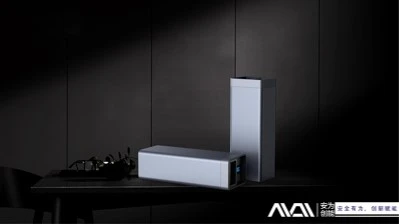
AVEnergy's energy storage system stands out for its "compact size, high storage capacity, and long lifespan" design philosophy. Compared to traditional systems, it reduces volume by 50%, increases storage efficiency by 30%, and offers a 10-year extended warranty. Additionally, the system is compatible with multiple energy sources (solar, wind, grid) and supports remote monitoring and intelligent charge-discharge strategies via an app, meeting diverse household energy management needs.
With the acceleration of the global energy transition, the home energy storage market is experiencing explosive growth. According to China Research and Intelligence, the global residential energy storage market size is expected to exceed $46 billion by 2025, with China contributing nearly half of the incremental growth. Leveraging its technological advantages and localized services, AVEnergy is poised to capture a significant market share.
Conclusion
Home energy storage batteries are not just tools for saving on electricity bills; they are the cornerstone of household energy independence. AVEnergy's "compact size, high storage capacity" design, combined with peak-valley arbitrage, solar self-consumption, and emergency power supply capabilities, offers households an efficient and reliable energy solution. Although the initial investment is relatively high, the investment payback period is gradually shortening, driven by policy support and technological advancements. For households seeking to reduce electricity costs and enhance energy security, AVEnergy's energy storage system is undoubtedly a worthwhile consideration. In the wave of the energy revolution, home energy storage is evolving from a "cost-saving tool" into a "foundation for energy independence," and AVEnergy's exploration may well become a pivotal chapter in this journey.