

There are many kinds of batteries, and according to different classification standards, batteries can be divided into the following categories:
1,According to the type of electrolyte
1, Alkaline batteries: the electrolyte is mainly based on aqueous potassium hydroxide, such as alkaline zinc-manganese batteries (commonly known as alkaline manganese batteries or alkaline batteries), cadmium-nickel batteries, nickel-metal hydride batteries.
2, Acid batteries: mainly in aqueous sulfuric acid solution as a medium, such as zinc-manganese dry batteries (some consumers also called acid batteries), seawater batteries and so on.
3,Organic electrolyte battery: mainly organic solution as a medium, such as lithium batteries, lithium-ion batteries.
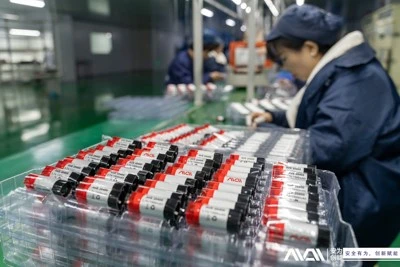
Most batteries on the market, especially those widely used in daily life and consumer electronics, are often designed to be used only once. These batteries, such as the common alkaline zinc-manganese batteries (commonly known as alkaline batteries), can no longer be recharged to restore their power when they are depleted, and can only be disposed of as waste. This not only leads to a great waste of resources, but also because of the heavy metals and other hazardous substances contained inside the batteries, which may cause pollution to the environment when improperly disposed of.
In addition, a large amount of waste and by-products are generated during the manufacturing process of batteries. These wastes may include incompletely utilized raw materials, wastes from the manufacturing process, and substandard battery products. Improper handling of these wastes will likewise cause serious negative impacts on the environment, such as soil pollution and water pollution. Therefore, how to effectively reduce the waste generated during the battery manufacturing process and how to realize the safe recycling and reuse of used batteries has become an urgent problem to be solved.
With the progress of science and technology and the improvement of environmental protection awareness, people are gradually focusing on the sustainability and environmental protection of batteries. Some new battery technologies, such as lithium-ion batteries and solid-state batteries, are gradually replacing traditional disposable batteries and becoming the mainstream of the future battery market. These new batteries not only have higher energy density and longer service life, but also pay more attention to environmental protection and sustainability in the manufacturing and recycling process. At the same time, the government and enterprises are also actively promoting the recycling and reuse of used batteries to reduce environmental pollution and waste of resources.
Rechargeable Lithium Batteries from AVEnergy
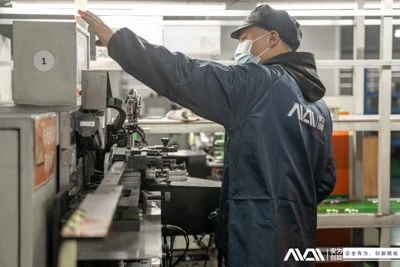
The first thing that AVEnergy's batteries are known for is their recyclable nature, an innovative design that not only greatly improves battery utilization, but also takes an important step forward in the field of environmental protection. This innovative design not only greatly improves the utilization of the battery, but also takes an important step forward in the field of green environmental protection:
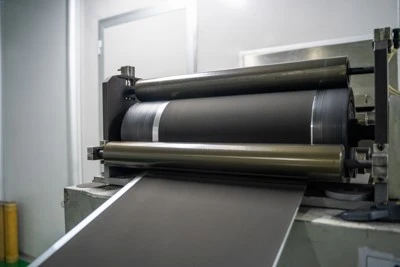
1. Reduced waste generation: Compared to traditional disposable batteries, AVEnergy's recyclable rechargeable batteries can be reused hundreds of times or more, thus significantly reducing the generation of battery waste. This not only reduces the burden on landfills and incineration plants, but also avoids the release of heavy metals and other hazardous substances into the environment as a result of battery decomposition, which plays a positive role in protecting the natural ecology.
2. Saving energy and resources: By recharging batteries through the cycle, ANWE effectively extends their service life and reduces the need to produce new batteries. The battery production process consumes a large amount of energy and raw materials, such as lithium, cobalt and other rare metals. Reducing the production of new batteries means saving these valuable resources, as well as reducing carbon emissions from the mining and processing of these resources, which helps mitigate global climate change.
3. Promote circular economy: The recycling mode of Anwei batteries is in line with the principle of circular economy, i.e., reduce, reuse and recycle. It encourages consumers to send used batteries back to the recycling system, and through a professional treatment process, the useful materials in the batteries are recycled and reused, forming a closed-loop economy. This not only reduces the waste of resources, but also promotes the green transformation of economic activities and contributes to building a sustainable society.
In the process of producing rechargeable lithium batteries, we take recycling and reusability as the core concept throughout, and are committed to creating a full life cycle green industrial chain from raw material procurement to product manufacturing to waste battery recycling. In every production process, we have adopted strict environmental protection measures to ensure the maximum utilization of resources and the minimization of waste emissions.
Specifically, starting with the selection of raw materials, we prioritize the use of renewable or recycled materials to reduce our dependence on natural resources. During the production process, we adopt advanced production processes and equipment to improve the utilization of raw materials while reducing energy consumption and emissions during the production process. What's more, we pay great attention to the waste materials generated at each step of the production process. Whether it is the trimmings generated from the production line or the unqualified products screened out during the testing process, we will gather them together and separate and purify the useful components through a professional recycling and treatment process so that they can be reused in production or other areas.
Through this series of environmental protection measures, we not only reduce the production cost and improve the market competitiveness of our products, but more importantly, we make our own contribution to protect the environment and promote sustainable development. We firmly believe that only by adhering to green production can we realize the long-term development of the enterprise and the harmonious coexistence of the society.