

The raw materials of rechargeable lithium batteries mainly include the following categories:
1. Positive electrode material
The cathode material is one of the most critical raw materials in lithium batteries, which determines the energy density and voltage of the battery. Common cathode materials are:
1,Lithium Cobaltate (LCO): It has high specific capacity and high operating voltage, but the cost is high, and there are certain safety and cycle life problems.
2,Lithium Manganate (LMO): High energy density, but the stability is relatively poor, need to add a lot of electrolyte to balance the internal resistance.
3,Lithium Iron Phosphate (LFP): High safety and long cycle life, and abundant raw materials, low cost, but lower energy density, low temperature performance is poor.
4, Ternary Materials: Such as lithium nickel cobalt manganese (NCM) and lithium nickel cobalt aluminate (NCA), a combination of the advantages of a variety of materials, with high energy density, high power density and better cycle performance.
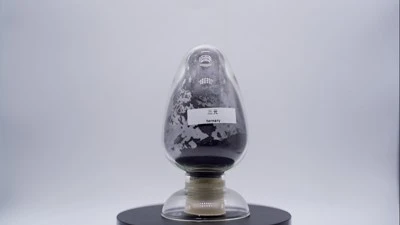
In the realm of lithium-ion battery production, AVEnergy excels in the manufacturing of advanced cathode materials, with its flagship offering being a high-performance, high-energy-density ternary lithium-ion battery cathode material.This ternary lithium cathode material is typically formulated from nickel (Ni), cobalt (Co), and manganese (Mn), or alternatively nickel, cobalt, and aluminum (Al), in precise ratios. Owing to its distinctive chemical composition and structural attributes, it exhibits substantial advantages in enhancing energy output, prolonging cycle life, and optimizing overall battery performance.Through relentless technological research and development alongside continuous optimization efforts, Anwei is dedicated to delivering superior quality ternary lithium cathode materials that cater to the diverse demands of the market while providing robust energy solutions for energy storage systems as well as various portable electronic devices.
2. Negative electrode material
Negative electrode materials are usually selected from graphite or other carbon-based materials, as well as silicon-based, tin-based and other new materials. Among them:
1,Graphite: with good lithium embedded performance and conductivity, and low cost, it is currently the most widely used anode material. However, there is the problem of uneven lithium ion infiltration.
2,Silicon-based materials: have high theoretical capacity, but face problems such as volume expansion and cycle stability in practical applications.
3,Lithium titanate: has the advantages of high energy density, good cycle life and safety, but the price is relatively high.
In the production process of lithium-ion batteries, a crucial early preparation step involves using specialized mixing equipment to finely blend the cathode and anode materials separately. This stage is vital as it directly impacts the quality and efficiency of subsequent processes such as coating, winding, and assembly. Specifically, cathode materials typically consist of active materials, conductive agents, and binders, which need to be thoroughly and uniformly mixed in an efficient mixer under specific temperature, humidity, and rotational speed conditions. This ensures that the active materials are evenly dispersed to form an ideal coating slurry. Similarly, the mixing of anode materials follows similar principles, but due to differences in their chemical composition and performance requirements, the mixing parameters and additives may vary. Through this precise mixing process, a solid foundation is laid for the subsequent coating step, enabling the cathode and anode materials to be uniformly and continuously coated onto the current collectors, thereby ensuring the stability and consistency of lithium-ion battery performance.
3.Electrolyte
The electrolyte serves as the medium for lithium ion transport in lithium-ion batteries, and its properties directly impact the battery's capacity, internal resistance, and safety. Commonly used electrolytes are composed of organic solvents and lithium salts, such as lithium hexafluorophosphate. Additionally, new types of electrolytes, such as solid-state electrolytes, are currently under development.
4.Separator
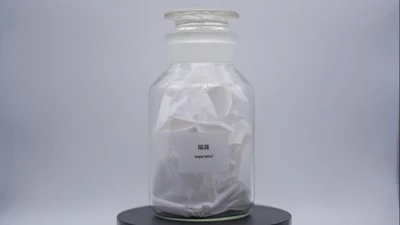
The separator is a crucial component in lithium-ion batteries, positioned between the cathode and anode to isolate them and prevent short circuits. At the same time, the microporous structure on the separator allows lithium ions to pass freely, ensuring the battery's charging and discharging performance. Separator materials are typically made of polymeric materials such as polyolefins, which require high mechanical strength, chemical stability, and good gas permeability.
5.Other Auxiliary Materials
Apart from the aforementioned primary raw materials, the manufacturing of lithium-ion batteries also necessitates a number of auxiliary materials. These include aluminum foil and copper foil, which serve as current collectors, as well as materials like CMC (carboxymethylcellulose sodium) and PVDF (polyvinylidene fluoride), which function as binders and coating materials.
Finally, in the manufacturing process of lithium-ion batteries, an important step is to place the completed lithium-ion battery cells and the highly integrated, fully functional PCBA (Printed Circuit Board Assembly) into a pre-prepared steel casing that meets specific specifications and standard models. This step requires not only meticulous attention from the operators to ensure precise positioning and stable installation of the cells and protection board within the steel casing but also strict adherence to production specifications to avoid any factors that may impact battery performance or safety. At this point, through a series of complex and precise process steps, the manufacturing process of lithium-ion batteries is completed.