

Choosing the best battery for your daily electronics is crucial, and AVEnergy Rechargeable Lithium Batteries stand as a leading contender. With their high performance and cost-effectiveness, AVEnergy Rechargeable Lithium Batteries surpass traditional disposable batteries. Disposable batteries, once depleted, often leave users with no choice but to discard them. In contrast, AVEnergy's lithium batteries can undergo no less than 1000 charging cycles, offering exceptional durability and minimal maintenance costs.
Whether you prioritize performance, lifespan, or price, AVEnergy Batteries are your go-to choice for powering your daily electronics.
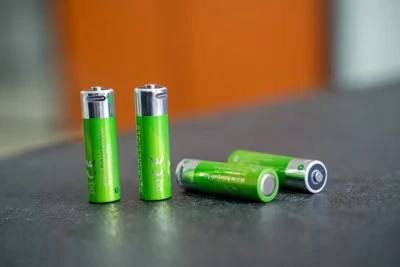
Batteries, as crucial devices for energy conversion and storage, indeed exhibit a diverse range of forms and types to cater to the unique needs of different application scenarios. From daily life to industrial production, and from portable electronic devices to large-scale energy systems, the variety of batteries is vast, each carrying specific technical characteristics and application values.
Alkaline batteries, dry batteries, batteries and lithium-ion batteries each have unique advantages and disadvantages, and among these battery types, lithium-ion batteries show obvious advantages in many aspects with their excellent performance.
Alkaline Batteries:
Advantages:
Higher energy density, providing longer usage time.
Longer service life compared to other types of batteries.
Disadvantages:
Not resistant to high temperatures, and prone to losing power in high-temperature environments.
There is a risk of leakage, and the leaked potassium hydroxide may cause damage to the environment and the equipment in use.
Alkaline batteries are disposable and cannot be recharged, requiring disposal after use, which is not environmentally friendly.
Dry Batteries:
Advantages:
Relatively low price and easy to purchase.
Convenient to use and widely applied in small electronic devices.
Disadvantages:
Limited energy density, resulting in relatively short usage time.
Disposable and non-rechargeable, which is not environmentally friendly.
There is a certain risk of leakage that may cause damage to equipment.
Storage Batteries:
Advantages:
Reusable through charging, with a long service life.
Stable voltage and reliable quality.
Disadvantages:
Require significant maintenance work, including regular inspections and upkeep.
Larger in size and heavier in weight, which is not conducive to portability.
Higher costs, including installation and operational expenses.
Lithium-Ion Batteries:
Advantages:
High Energy Density: Lithium-ion batteries have significantly higher energy density than alkaline and dry cell batteries. This means they can provide more energy at the same weight or volume, thereby extending the usage time of devices.
Long Cycle Life: Lithium-ion batteries typically have a cycle life of over 500 cycles, and can even reach over 1000 cycles. This is far superior to the single-use lifespan of alkaline and dry cell batteries. This means lithium-ion batteries can be recharged and used repeatedly, making them more environmentally friendly and economical.
No Memory Effect: Lithium-ion batteries do not have a memory effect, allowing them to be charged and discharged at any time without negatively impacting battery performance.
Good Low-Temperature Performance: Lithium-ion batteries maintain good performance in low-temperature environments, whereas alkaline and dry cell batteries experience significant performance degradation in cold conditions.
Environmentally Friendly: Lithium-ion batteries do not contain cadmium, lead, mercury, or other environmentally harmful elements, making them more environmentally friendly compared to alkaline and dry cell batteries.
Disadvantages:
Relatively High Cost: The manufacturing cost of lithium-ion batteries is higher, resulting in a relatively higher selling price. However, considering their long lifespan and high energy density, lithium-ion batteries still offer high cost-effectiveness in the long run.
Specific Charging Requirements: Lithium-ion batteries require proper charging methods and equipment to avoid issues such as overcharging and over-discharging, thereby protecting battery performance.
Why Are Lithium-Ion Batteries the Choice for Daily Electrical Appliances?
Lithium-ion batteries surpass alkaline, dry cell, and storage batteries in terms of energy density, cycle life, low-temperature performance, and environmental friendliness. Despite their relatively higher cost, in the long run, their exceptional performance and eco-friendly characteristics make lithium-ion batteries the preferred battery type for numerous application scenarios.
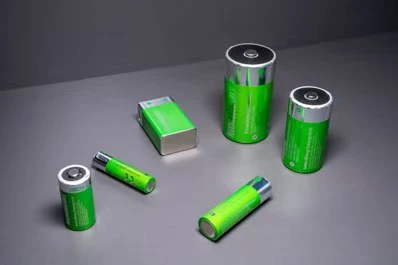
Rechargeable Lithium-Ion Batteries: The Unsurpassed Choice for Daily Electrical Appliances
AVEnergy's rechargeable lithium-ion batteries, as a product that combines high efficiency with environmental protection, cannot be overlooked for their innovations in the battery field.
1,Core Material Advantage:
AVEnergy's rechargeable lithium-ion batteries are fundamentally based on lithium-ion battery materials, meaning they inherently inherit all the advantages of lithium-ion batteries, such as high energy density and long cycle life. These characteristics ensure that AVEnergy batteries provide lasting power while also guaranteeing battery stability and durability.
2,Rechargeable Function:
Unlike traditional disposable dry batteries, the biggest highlight of AVEnergy's rechargeable lithium-ion batteries is their rechargeable nature. This feature not only extends the battery's lifespan but also significantly reduces the production of waste batteries, making it environmentally friendly. Users can simply recharge the battery to "bring it back to life" and continue powering their devices.
3,Fast Charging Technology Support:
AVEnergy's rechargeable lithium-ion batteries are also equipped with advanced fast charging technology. This means that during charging, the battery can quickly absorb electrical energy, significantly reducing charging time. For busy modern individuals, this feature is undoubtedly a huge blessing, as it allows the battery to return to a full charge state in a short period of time, ready to power devices at any time.
4,Four Batteries Charging Simultaneously:
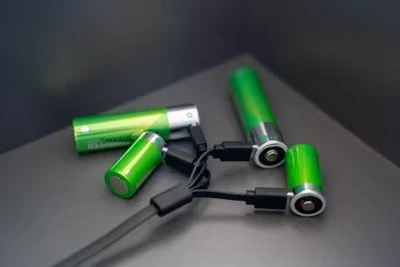
Even more surprising is that AVEnergy's rechargeable lithium-ion battery charger is designed to charge four batteries simultaneously. This design not only improves charging efficiency but also facilitates users' daily use. Whether at home or in the office, users can easily handle situations where multiple devices require batteries at the same time, without worrying about insufficient batteries or insufficient charging time.
5,Perfect Replacement for Daily Electrical Appliances:
In the use of daily electrical appliances, AVEnergy's rechargeable lithium-ion batteries can fully replace disposable dry batteries. Whether it's for remote controls, flashlights, or digital cameras and other small electronic devices, AVEnergy batteries provide stable and lasting power support. This not only provides users with a more convenient experience but also significantly reduces usage costs.
6,Dual Advantages of Environmental Protection and Economy:
Using AVEnergy's rechargeable lithium-ion batteries not only reduces the production of waste batteries, which is environmentally friendly, but also saves users the cost of purchasing new batteries. In the long run, this environmentally friendly and economical choice will undoubtedly bring greater value to users.
7,Safety and Reliability:
In addition, AVEnergy's rechargeable lithium-ion batteries also focus on safety and reliability. The battery interior employs multiple protective measures to ensure that there are no safety hazards such as short circuits or overheating during charging and discharging. Users can use the battery without worrying about safety issues and enjoy greater peace of mind.
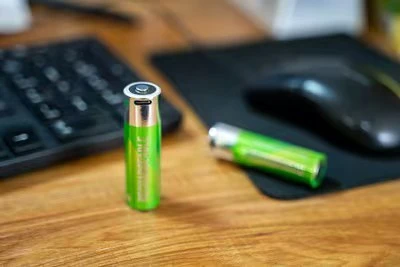
Growing Demand for Rechargeable Lithium-Ion Batteries in Daily Life
In recent years, with the rapid development of technology and the continuous improvement of living standards, the demand for rechargeable lithium-ion batteries in daily life has shown a significant growth trend. This growth is not only reflected in the upgrading of traditional electronic devices but also permeates all aspects of people's lives, becoming an indispensable part of modern society.
Firstly, the popularity of smart homes and wearable devices has greatly driven the market demand for rechargeable lithium-ion batteries. From smart door locks, smart lighting, to smart speakers, these devices all require stable and lasting power supplies to ensure their normal operation. With their high energy density, long cycle life, and convenient charging methods, rechargeable lithium-ion batteries have become ideal energy solutions for these smart devices. At the same time, smartwatches, fitness trackers, and other wearable devices have also gained popularity among consumers due to their portability and practicality, and these devices are also inseparable from the support of rechargeable lithium-ion batteries.
Furthermore, rechargeable lithium-ion batteries play a crucial role in fields such as outdoor exploration, photography, and videography. Outdoor explorers need lightweight and long-lasting power sources to support their activities, while photographers and videographers require stable power supplies to ensure their creations are unaffected. With their high energy density and convenient charging methods, rechargeable lithium-ion batteries have become indispensable energy choices in these fields.
Lastly, as people's awareness of environmental protection continues to increase, the use of disposable batteries is gradually being restricted and phased out. As an environmentally friendly energy solution, the market demand for rechargeable lithium-ion batteries is also increasing. More and more consumers are choosing to use rechargeable lithium-ion batteries to replace disposable batteries in order to reduce environmental pollution and waste of resources.