

Hey there! As a supplier of lithium ion type 18650 rechargeable batteries, I've seen firsthand how important it is to understand the ins and outs of these power - sources. One question that comes up a lot is about the impact of overdischarging on 18650 batteries. So, let's dig into it.
First off, what exactly is overdischarging? Well, every lithium - ion battery has a recommended voltage range for normal operation. For a typical 18650 battery, the normal operating voltage is usually between about 2.5V and 4.2V. When the battery voltage drops below that lower limit of 2.5V, we're talking about overdischarging.
One of the most immediate impacts of overdischarging is a significant reduction in capacity. You know, capacity is like the gas tank of your car. The bigger the capacity, the longer your battery can power your device. When an 18650 battery is overdischarged, the chemical reactions inside the battery start to go haywire. The lithium ions that are supposed to move smoothly between the electrodes can get stuck or form deposits. This means that the battery can't store as much energy as it used to. So, if you had a battery that could originally power your flashlight for 10 hours, after an overdischarge, it might only last for 6 or 7 hours.
Overdischarging can also lead to an increase in internal resistance. Think of internal resistance as the traffic jam inside the battery. The higher the resistance, the harder it is for the electrical current to flow. This not only reduces the efficiency of the battery but can also cause the battery to heat up during use. And we all know that heat is not a battery's best friend. Excessive heat can further damage the battery's internal components and accelerate the degradation process.
Another major problem is the potential for permanent damage to the battery's electrodes. The electrodes in a lithium - ion 18650 battery are made of specific materials that are designed to interact with lithium ions in a very precise way. When the battery is overdischarged, the structure of these electrodes can change. For example, the graphite anode can start to break down, and the cathode material can lose its ability to store and release lithium ions effectively. Once the electrodes are damaged, there's often no going back. The battery's performance will continue to decline, and it might even become completely unusable.
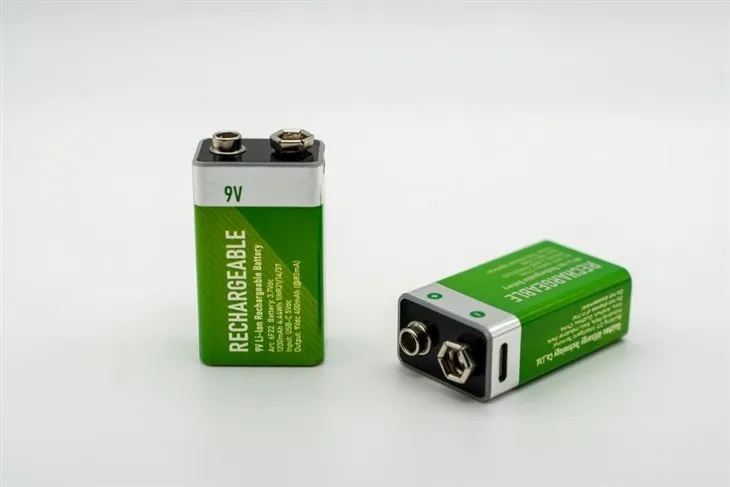
In some cases, overdischarging can also pose safety risks. Although lithium - ion 18650 batteries are generally safe when used correctly, an overdischarged battery can be more prone to short - circuits. A short - circuit can cause a sudden and rapid release of energy, which can lead to overheating, swelling, or even an explosion in extreme cases. Of course, this is a rare occurrence, but it's still something to be aware of.
Now, you might be wondering how to prevent overdischarging. Well, there are a few things you can do. First, use a good quality charger that has an over - discharge protection feature. These chargers are designed to stop charging when the battery voltage reaches a certain low level. Second, don't leave your devices running on low battery for too long. If you notice that your device is about to die, recharge it as soon as possible.
As a supplier, I always recommend our customers to take good care of their 18650 batteries. We also offer a range of other high - quality rechargeable batteries, like the [9V Lithium Polymer Rechargeable Battery](/rechargeable - lithium - battery/9v - lithium - polymer - rechargeable - battery.html), [18650A Battery](/rechargeable - lithium - battery/18650a - battery.html), and [D Size Lithium Battery](/rechargeable - lithium - battery/d - size - lithium - battery.html). Each of these batteries has its own unique features and applications, and we're always here to help you find the right one for your needs.
If you're in the market for rechargeable batteries, whether it's the 18650 type or any of our other products, we'd love to have a chat with you. Contact us to discuss your requirements, and we can work together to find the best solution for your power needs.
References:

- Linden, D., & Reddy, T. B. (2002). Handbook of Batteries. McGraw - Hill.
- Tarascon, J. M., & Armand, M. (2001). Issues and challenges facing rechargeable lithium batteries. Nature, 414(6861), 359 - 367.