

In the ever - evolving landscape of battery technology, lithium - ion D cell rechargeable batteries have emerged as a significant player. As a supplier of lithium ion D cell rechargeable batteries, I've witnessed firsthand the growing interest in these power sources. This blog post aims to delve into the long - run cost - effectiveness of lithium ion D cell rechargeable batteries, exploring various aspects that influence their value over time.
Initial Investment and Upfront Costs
When considering the cost - effectiveness of any product, the initial investment is a crucial factor. Lithium ion D cell rechargeable batteries typically come with a higher upfront price compared to traditional disposable batteries. This is due to the advanced technology and materials used in their construction. The lithium - ion chemistry offers numerous advantages such as high energy density, longer lifespan, and better performance, which justify the higher initial cost.

However, it's important to note that while the initial purchase of a set of lithium ion D cell rechargeable batteries and a compatible charger may seem steep, it is a one - time expense for a product that can be used repeatedly. In contrast, disposable batteries need to be continuously repurchased, which can add up significantly over time.
Lifespan and Recharge Cycles
One of the key factors contributing to the long - run cost - effectiveness of lithium ion D cell rechargeable batteries is their lifespan. These batteries are designed to withstand a large number of recharge cycles. On average, a high - quality lithium ion D cell rechargeable battery can endure anywhere from 500 to 1000 recharge cycles, depending on the specific model and usage conditions.
Each recharge cycle represents an opportunity to reuse the battery, eliminating the need to buy a new disposable battery. For example, if you use a D cell battery in a high - drain device such as a flashlight or a portable radio, and you recharge the lithium ion D cell battery once a week, it could last for nearly 10 to 20 years. In comparison, a disposable D cell battery would need to be replaced every few weeks or months, depending on usage.
Let's do a simple cost comparison. Suppose a disposable D cell battery costs $1, and you use one per month in a device. Over the course of a year, you would spend $12. In 10 years, that's $120. A set of lithium ion D cell rechargeable batteries and a charger might cost around $50 initially. Even factoring in the cost of electricity to recharge the batteries, the lithium ion option is much more cost - effective in the long run.
Performance and Energy Efficiency
Lithium ion D cell rechargeable batteries offer superior performance compared to disposable batteries. They have a higher energy density, which means they can store more energy in the same physical space. This results in longer run times for devices. For instance, a flashlight powered by lithium ion D cell rechargeable batteries may shine brighter and last longer than one using disposable batteries.
Moreover, lithium ion batteries maintain a more consistent voltage throughout their discharge cycle. This is particularly important for devices that require a stable power supply. In contrast, disposable batteries tend to experience a gradual drop in voltage as they discharge, which can lead to a decrease in device performance over time.
The energy efficiency of lithium ion D cell rechargeable batteries also contributes to their cost - effectiveness. They can convert a higher percentage of the stored energy into usable power, reducing waste. This means that you get more value out of each charge, further extending the economic benefits of using these batteries.
Environmental Impact and Hidden Costs
In addition to the direct financial costs, we must also consider the environmental impact and associated hidden costs. Disposable batteries end up in landfills, where they can release harmful chemicals such as mercury, lead, and cadmium into the environment. These chemicals can contaminate soil and water sources, posing a threat to human health and the ecosystem.
On the other hand, lithium ion D cell rechargeable batteries are more environmentally friendly. By reducing the number of disposable batteries that need to be produced and disposed of, we can minimize the environmental footprint. Some regions even offer incentives for using rechargeable batteries, such as tax breaks or recycling programs. These incentives can further enhance the cost - effectiveness of lithium ion D cell rechargeable batteries in the long run.
Comparison with Other Rechargeable Battery Types
When evaluating the cost - effectiveness of lithium ion D cell rechargeable batteries, it's useful to compare them with other rechargeable battery types. For example, nickel - metal hydride (NiMH) rechargeable batteries are also popular. While NiMH batteries are generally less expensive upfront than lithium ion batteries, they have a lower energy density and shorter lifespan.
Lithium ion batteries also have a lower self - discharge rate compared to NiMH batteries. This means that they can hold their charge for longer periods when not in use. For devices that are used infrequently, such as emergency flashlights, lithium ion D cell rechargeable batteries are a better choice as they will be ready to use when needed without having to be recharged frequently.
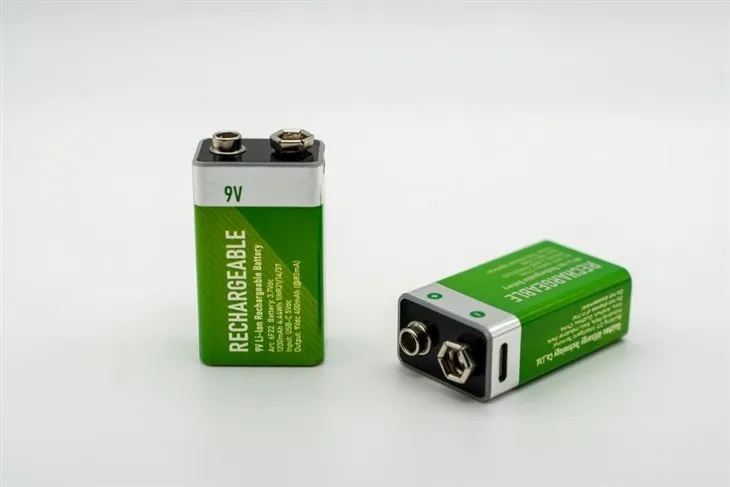
Another option is the [Rechargeable Lithium 123](/rechargeable - lithium - battery/rechargeable - lithium - 123.html). These batteries are often used in high - performance applications. However, they are typically designed for specific devices and may not be as versatile as D cell batteries. The [18650A Battery](/rechargeable - lithium - battery/18650a - battery - factory.html) is another popular rechargeable lithium option, but it has a different form factor and may not be suitable for devices that require D cell batteries. The [9V Lithium Polymer Rechargeable Battery](/rechargeable - lithium - battery/9v - lithium - polymer - rechargeable - battery.html) is also an alternative, but again, it is designed for different voltage requirements.
Applications and Usage Scenarios
The cost - effectiveness of lithium ion D cell rechargeable batteries can vary depending on the application and usage scenario. In high - drain devices such as power tools or large flashlights, the long run times and ability to withstand multiple recharge cycles make these batteries a cost - effective choice. The consistent voltage output also ensures optimal performance of the device.

For low - drain devices such as remote controls or wall clocks, the cost - effectiveness may be less pronounced in the short term. However, over a long period, the savings from not having to constantly replace disposable batteries still make lithium ion D cell rechargeable batteries a viable option.
Conclusion and Call to Action
In conclusion, the long - run cost - effectiveness of lithium ion D cell rechargeable batteries is undeniable. Despite the higher initial investment, their long lifespan, superior performance, energy efficiency, and environmental benefits make them a smart choice for consumers and businesses alike.
If you're interested in exploring the benefits of lithium ion D cell rechargeable batteries for your specific needs, I encourage you to reach out to me. Whether you're a retailer looking to stock these batteries or an end - user in need of a reliable power source, I can provide you with the information and products you need. Let's start a conversation about how lithium ion D cell rechargeable batteries can offer you long - term cost savings and high - quality performance.
References
- Linden, D., & Reddy, T. B. (2002). Handbook of Batteries. McGraw - Hill.
- Trojan Battery Company. (2018). Battery University: Understanding Lithium - Ion. Retrieved from various industry publications.