

Hey there! As a supplier of 9V lithium polymer rechargeable batteries, I often get asked a bunch of questions. One of the most common ones is whether it's okay to use multiple 9V lithium polymer rechargeable batteries in series or parallel. So, I thought I'd sit down and write this blog to clear things up.
First off, let's talk about what series and parallel connections actually mean. When you connect batteries in series, you're basically hooking up the positive terminal of one battery to the negative terminal of the next one. This increases the total voltage. For example, if you connect two 9V batteries in series, you'll end up with a total voltage of 18V. On the other hand, when you connect batteries in parallel, you connect the positive terminals together and the negative terminals together. This keeps the voltage the same but increases the total capacity.
So, can you use multiple 9V lithium polymer rechargeable batteries in series or parallel? The short answer is yes, but there are some important things you need to keep in mind.

Using Batteries in Series
When you connect 9V lithium polymer rechargeable batteries in series, you need to make sure that all the batteries are identical. This means they should have the same voltage, capacity, and internal resistance. If the batteries are not identical, it can lead to uneven charging and discharging, which can damage the batteries and even pose a safety risk.
Another thing to consider is the charging process. When you have batteries connected in series, you need to use a charger that is designed for series charging. A regular charger might not be able to handle the increased voltage, and it could overcharge or damage the batteries.
One of the benefits of connecting batteries in series is that you can increase the voltage to power devices that require a higher voltage. For example, some high - power electronic devices might need 18V or 27V to operate properly. By connecting two or three 9V batteries in series, you can meet the voltage requirements of these devices.
However, there are also some drawbacks. The increased voltage means that there is a higher risk of electrical shock. You need to be extra careful when handling the batteries and make sure that all the connections are properly insulated.
Using Batteries in Parallel
Connecting 9V lithium polymer rechargeable batteries in parallel is a bit different. Just like with series connections, you need to use identical batteries. This ensures that the batteries share the load evenly and charge and discharge at the same rate.
One of the main advantages of parallel connections is that you can increase the capacity of the battery pack. If you have two 9V batteries with a capacity of 1000mAh each, when you connect them in parallel, you'll end up with a battery pack that has a capacity of 2000mAh. This means that the battery pack can power your device for a longer time.
The charging process for parallel - connected batteries is a bit simpler compared to series connections. You can use a regular charger, as long as it is compatible with the voltage of the individual batteries.
But there are also some downsides. Parallel connections can increase the risk of short - circuits. If one of the batteries develops a short - circuit, it can affect the other batteries in the pack. You need to make sure that all the connections are secure and that there are no loose wires.
Safety Precautions
Whether you're connecting batteries in series or parallel, safety should always be your top priority. Here are some safety tips to keep in mind:
- Inspect the Batteries: Before connecting the batteries, make sure that they are in good condition. Look for any signs of damage, such as bulges, leaks, or cracks. If you find any damaged batteries, don't use them.
- Use Proper Connectors: Make sure that you use high - quality connectors that are designed for the type of batteries you're using. Loose or improper connections can lead to short - circuits and other problems.
- Charge in a Safe Environment: Always charge the batteries in a well - ventilated area away from flammable materials. Avoid overcharging the batteries, as this can cause them to overheat and potentially catch fire.
Our Products
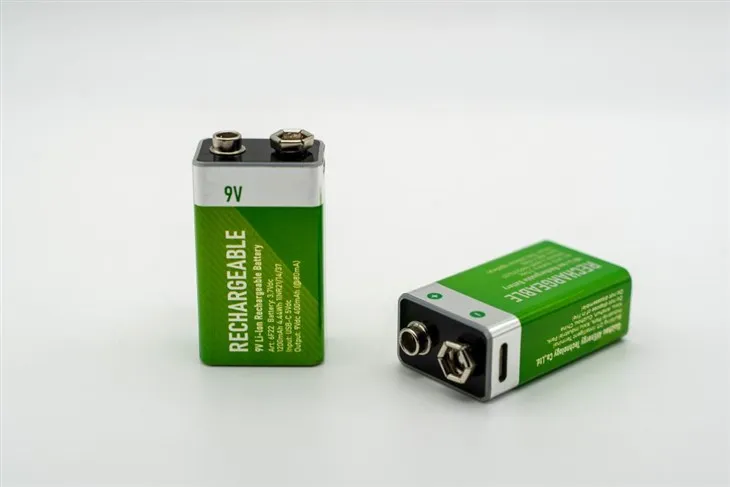
At our company, we offer high - quality 9V Lithium Polymer Rechargeable Battery. Our batteries are designed to be reliable and safe, and they are perfect for a wide range of applications. We also have other rechargeable lithium batteries, such as Rechargeable Lithium C Cell Battery and D Size Lithium Battery.
If you're interested in purchasing our batteries or have any questions about using multiple batteries in series or parallel, don't hesitate to reach out. We're here to help you find the best battery solutions for your needs. Whether you're a hobbyist working on a small project or a business looking for a reliable power source, we've got you covered.
Conclusion
In conclusion, using multiple 9V lithium polymer rechargeable batteries in series or parallel is possible, but it requires careful consideration and proper safety precautions. By following the guidelines I've outlined in this blog, you can ensure that your battery connections are safe and reliable.
If you have any more questions about our products or battery connections, feel free to contact us. We're always happy to chat and help you make the right choices for your power needs.
References
- Battery University: A comprehensive resource for battery knowledge and best practices.
- Manufacturer's guides for 9V lithium polymer rechargeable batteries.