

I. Core Risks of Water-Submerged Batteries
1. Short Circuit and Thermal Runaway
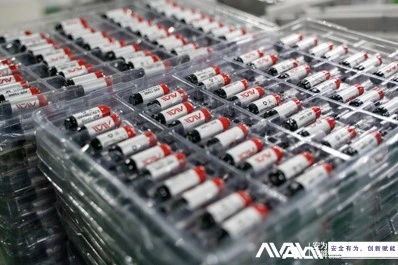
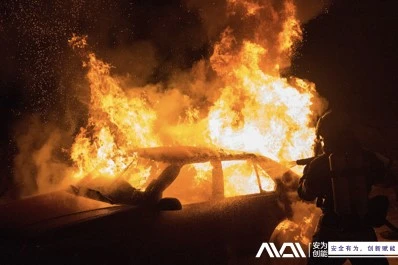
Lithium-ion batteries utilize liquid electrolytes internally. When water infiltrates the battery, it may cause direct contact between the positive and negative electrodes, leading to a short circuit. The instantaneous current generated during a short circuit can exceed the normal operating current by several dozen times, triggering localized overheating and even thermal runaway. For instance, in a case where rainwater seeped into a lithium-ion battery during the charging of an electric vehicle, the reaction between metallic lithium and water was violent, producing hydrogen gas and releasing a large amount of heat, ultimately causing the battery to explode and resulting in a surrounding fire. For high-voltage electric vehicle batteries, if the sealing fails after water immersion, it may lead to more severe chain reactions, with the energy released being sufficient to cause severe damage to the vehicle body.
2. Metal Corrosion and Performance Degradation
When water comes into contact with metal components such as aluminum and copper inside the battery, it accelerates oxidative corrosion. The corrosion products may block the electrolyte channels, increasing the internal resistance of the battery. Experimental data shows that the capacity degradation rate of lithium-ion batteries after water immersion can reach 30%-50%, with the charge and discharge efficiency dropping below 60% of the normal value. Although lead-acid batteries use sulfuric acid electrolytes, if they are immersed in water containing impurities, corrosion of the terminals will increase the contact resistance, potentially leading to vehicle starting failure over long-term use.
3. Gas Expansion and Structural Damage
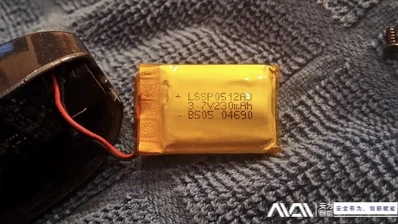
After water immersion, chemical reactions such as electrolyte decomposition may occur inside the battery, producing gases like hydrogen and oxygen. In a certain case, a water-submerged lithium-ion battery experienced a sudden increase in internal pressure, causing the casing to bulge and eventually leading to electrolyte leakage. The leaked electrolyte not only corrodes the battery casing but may also contaminate the vehicle's electrical system, increasing maintenance costs. If a high-voltage battery bulges, the reduced strength of its casing may lead to disintegration, releasing chemical substances that pose a threat to the environment and human health.
II. Response Strategies for Different Types of Water-Submerged Batteries
1. Lead-Acid Batteries: Mild Corrosion Can Be Repaired, Severe Contamination Requires Replacement
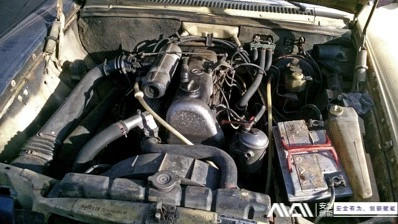
Mild Water Immersion: If only the terminals come into contact with distilled water, the battery can be disassembled, the terminals cleaned with distilled water, and then coated with Vaseline to prevent rust. After drying, test the open-circuit voltage. If the voltage is normal and there is no leakage, the battery can continue to be used.
Severe Water Immersion: If the electrolyte is turbid or precipitates appear, the electrolyte needs to be replaced, and the battery reactivated through charging and discharging. However, if the battery casing is deformed or the internal plates are sulfated, it is recommended to replace the entire battery.
2. Lithium-Ion Batteries: Slight Water Ingress Can Be Attempted for Repair, Severe Water Immersion Requires Scrapping
Slight Water Ingress: Immediately disconnect the power, disassemble the battery pack, clean the circuit board with absolute ethanol, dry it, and then test the voltage consistency of the individual cells. If the voltage difference is less than 50mV and there is no bulging, the battery can be repackaged for use.
Severe Water Immersion: If the battery pack shows bulging, leakage, or abnormal voltage, contact a professional institution for safe disassembly. A certain maintenance specification explicitly requires that water-submerged lithium-ion batteries must pass 12 tests, including insulation tests and capacity tests, before they can be judged as repairable.
3. High-Voltage Electric Vehicle Batteries: Scrap Immediately if Sealing Fails
High-voltage battery packs adopt multi-layer protection designs. However, if water stains appear on the casing or the diagnostic system reports an error, the battery must be immediately taken out of service. A certain automaker stipulates that water-submerged batteries must pass 6 tests, including airtightness tests and insulation resistance tests. If any test fails, the battery is judged as scrap. When handling, wear explosion-proof suits and disassemble the battery in a dedicated recycling site.
III. Professional Handling Process for Water-Submerged Batteries
1. Initial Disposal: Power Disconnection and Isolation
Immediate Power Disconnection: Cut off the connection between the battery and the vehicle's electrical circuit to avoid short circuits causing electric arcs.
Physical Isolation: Move the battery to a well-ventilated and dry place, away from open flames and flammable materials. According to statistics from a certain fire department, the probability of a water-submerged battery spontaneously igniting in a confined space is three times that in an open environment.
2. In-Depth Inspection: Multi-Dimensional Evaluation
Appearance Inspection: Use an endoscope to observe whether there are water stains, corrosion, or bulging inside the battery.
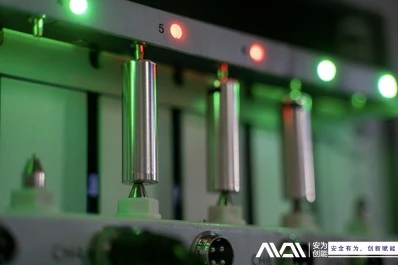
Electrical Testing: Use an insulation resistance tester to measure the insulation resistance between the positive and negative electrodes and the casing. The standard value should be greater than 500MΩ.
Capacity Testing: Test the actual capacity through constant current charging and discharging. If the capacity is below 80% of the rated value, the battery is judged as failed.
3. Safe Disposal: Classification and Handling
Repairable Batteries: Perform operations such as drying, rust removal, and electrolyte refilling in an explosion-proof cabinet. After repair, the battery must pass a 72-hour full-charge and full-discharge cycle test.
Scrap Batteries: Hand them over to a qualified recycling enterprise for processing. Methods such as physical crushing followed by chemical leaching are used to recover metals like cobalt and lithium. According to data from a certain enterprise, each ton of scrap lithium-ion batteries can recover 150kg of nickel-cobalt-manganese lithium cathode material.
IV. Preventive Measures and Routine Maintenance
1. Optimization of Waterproof Design
IP Rating Improvement: Choose battery packs with an IP67 or higher protection rating. A certain new energy vehicle manufacturer has reduced the failure rate of batteries after water immersion from 12% to 3% by optimizing the sealing structure.
Drainage Channel Design: Set up drainage channels at the bottom of the battery pack. A certain electric motorcycle has improved its water wading capability by 40% through this design.
2. Improvement of Usage Habits
Control of Wading Depth: The wading depth for electric bicycles should not exceed the height of the pedals. Electric vehicles should avoid passing through sections where the water depth exceeds the center of the wheel hubs..
Regular Inspections: Check the aging of the battery casing's sealing strips every month. Use an infrared thermal imager to detect the temperature distribution of the battery pack. Abnormal temperature rises may indicate internal short circuits.
3. Preparation for Emergency Handling
On-Board Tools: Equip with emergency supplies such as insulating gloves, multimeters, and desiccants.
Insurance Coverage: Purchase water wading insurance or battery-specific damage insurance. According to data from a certain insurance company, the average maintenance cost for water-submerged batteries is 60%-80% of the original battery price.
Conclusion
The handling of water-submerged battery issues should adhere to the principles of "safety first, scientific evaluation, and professional disposal." Users should avoid disassembling water-submerged batteries by themselves. Statistics from a certain maintenance association show that the probability of secondary accidents caused by non-professionals handling water-submerged batteries is as high as 45%. With the advancement of battery technology, new types of batteries such as solid-state batteries and semi-solid-state batteries may fundamentally solve the problem of water immersion. However, under current technological conditions, strictly adhering to waterproof specifications remains the best choice for ensuring safety.