

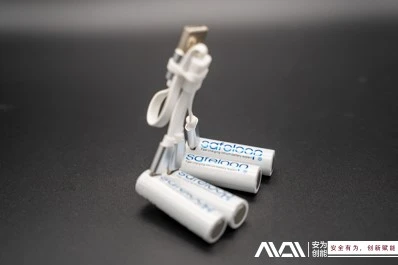
I. Type-C Charging Port: A Win-Win for Standardization and Convenience
The Type-C charging port has quickly gained market favor due to its reversible convenience, powerful data transfer capabilities, and widespread compatibility. For rechargeable lithium-ion batteries, adopting the Type-C charging port signifies standardization in charging interfaces, bringing unprecedented convenience to users.
1,Enhanced Convenience: Traditional charging interfaces often require users to carefully distinguish the front and back, while the reversible design of the Type-C interface completely eliminates this issue. Users no longer need to worry about the orientation of the charging interface, greatly enhancing the convenience of charging.
2,Faster Data Transfer Speeds: Beyond its charging function, the Type-C interface also supports high-speed data transfer. This means users can connect their phones, tablets, and other devices to computers or other storage devices via the Type-C interface for rapid data transfer.
3,Enhanced Compatibility: The Type-C interface boasts wide compatibility, suitable for various devices and scenarios. This widespread compatibility means users do not need different charging cables and interfaces for different devices, further enhancing the user experience.
II. Fast Charging Technology: Shortening Charging Time and Enhancing Charging Efficiency
Fast charging technology represents another significant milestone in the performance optimization of rechargeable lithium-ion batteries. By increasing charging current and voltage, fast charging technology can deliver a significant amount of charge to the battery in a short period, significantly reducing charging time.
1,Substantial Reduction in Charging Time: The biggest advantage of fast charging technology is its ability to substantially reduce charging time. Users only need to wait for a few tens of minutes to fully charge the battery, which is a huge time-saver for those who frequently use their phones.
2,Enhanced Charging Efficiency: Fast charging technology not only shortens charging time but also improves charging efficiency. In the same period, fast charging technology can deliver more charge to the battery, thereby extending device usage time.
3,Extended Battery Life: Modern fast charging technologies employ intelligent temperature control, current and voltage regulation, and other methods to protect the battery from overheating or overcharging. Therefore, when fast charging technology is used correctly, the battery's lifespan will not be significantly affected.
III. Charging Multiple Devices at Once: Meeting Diversified Charging Needs
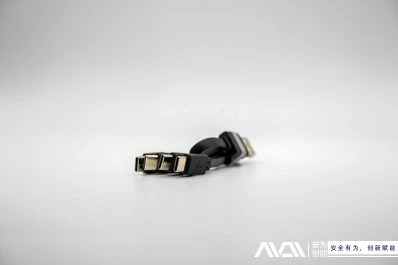
Charging multiple devices simultaneously can meet the charging needs of various electronic devices, bringing great convenience to users.
1,Meeting Diversified Charging Needs: Charging multiple devices at once can simultaneously meet the charging needs of phones, tablets, laptops, Bluetooth headsets, and other electronic devices. Users only need to connect multiple devices to the same charger to achieve simultaneous charging.
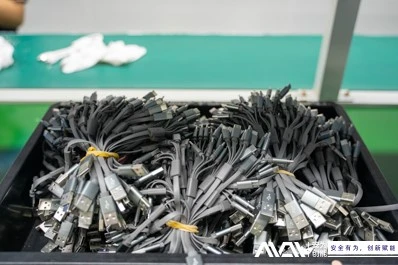
2,Resource Conservation and Environmental Protection: Charging multiple devices at once reduces the number of chargers and charging cables used, thereby reducing resource waste and environmental pollution. This is significant for promoting sustainable development and protecting the environment.
3,Enhanced Convenience: Charging multiple devices at once also brings great convenience. Users no longer need different chargers and cables for different devices; they can carry just one charger to meet all their charging needs. This is a huge time-saver and burden reduction for users who frequently travel or commute.
IV. Enhanced Safety: Ensuring User Safety During Charging
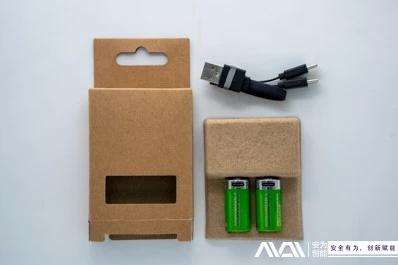
With technological advancements, rechargeable lithium-ion batteries have also achieved significant breakthroughs in safety. Modern lithium batteries incorporate multiple safety protection measures, such as overcharge protection, over-discharge protection, and short-circuit protection, to ensure user safety during charging and use.
1,Multiple Safety Protection Measures: Modern lithium batteries have built-in multiple safety protection mechanisms that can promptly cut off power or reduce current when the battery malfunctions, preventing dangerous situations such as overheating or explosion.
2,Intelligent Temperature Control Technology: Intelligent temperature control technology can monitor the battery's temperature in real-time and adjust the charging current and voltage as needed to ensure the battery operates within a safe temperature range.
3,Short-Circuit Protection: The short-circuit protection mechanism can quickly cut off power when the battery experiences a short circuit, preventing excessive current from damaging the battery or causing fires and other dangerous situations.
V. Enhanced Environmental Protection: Promoting Green Energy Development
Rechargeable lithium-ion batteries have also achieved significant results in terms of environmental protection. Compared to traditional dry batteries, lithium batteries have higher energy density and longer lifespans, reducing waste battery production and recycling costs.
1,Reducing Waste Battery Production: Due to their higher energy density and longer lifespans, users do not need to frequently replace lithium batteries, thereby reducing the number of waste batteries produced.
2,Lowering Recycling Costs: The recycling process for lithium batteries is relatively simple and cost-effective. By recycling and processing used lithium batteries, valuable materials can be extracted and used to produce new batteries, enabling resource recycling.
3,Promoting Green Energy Development: With the rapid development of renewable energy, lithium batteries, as a core component of energy storage systems, will play a crucial role in promoting green energy development. By optimizing lithium battery performance and reducing costs, we can better utilize renewable energy and reduce dependence on traditional energy sources.

VI. Future Outlook
With the continuous development of technology, performance optimization and user experience enhancement of rechargeable lithium-ion batteries will continue to be the focus of industry attention. In the future, we can expect the application and development of more innovative technologies, such as solid-state batteries, lithium-sulfur batteries, and other new battery materials; the popularization of more efficient fast charging and wireless charging technologies; and the emergence of more intelligent and personalized charging solutions. The development of these technologies will further promote the performance optimization and user experience enhancement of rechargeable lithium-ion batteries, bringing more convenience and fun to our lives.
In conclusion, the dual enhancement of performance optimization and user experience in rechargeable lithium-ion batteries is an inevitable result of technological development. By adopting features such as the Type-C charging port, fast charging technology, and the ability to charge multiple devices at once, combined with advantages like multiple safety protections, intelligent management, and personalized services, we can achieve more convenient, efficient, safe, and environmentally friendly charging methods. In the future, with the application and development of more innovative technologies, we can expect rechargeable lithium-ion batteries to achieve more significant results in terms of performance optimization and user experience, bringing a more enjoyable experience to our lives.