

In recent years, as global climate change and resource depletion issues have become increasingly severe, more and more people have come to deeply recognize the importance of environmental protection. This heightened awareness has not only led to changes in personal lifestyles but has also sparked profound transformations in various fields such as industrial production and energy utilization. Among these, rechargeable lithium batteries, as an efficient and environmentally friendly energy storage device, are gradually becoming an important force driving this transformation.
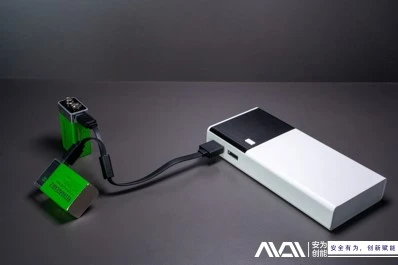
Rechargeable lithium batteries, also known as secondary batteries, are a type of battery that can be repeatedly charged and discharged. Compared to disposable batteries (such as alkaline or zinc-manganese batteries), rechargeable lithium batteries offer significant advantages. Firstly, their cycle life can reach over 1,000 charges, and even some high-end products can exceed several thousand cycles. This means that under the same usage requirements, rechargeable lithium batteries can greatly reduce the frequency of battery replacement, thereby significantly decreasing the generation of battery waste. Secondly, rechargeable lithium batteries have high energy density, allowing them to store more electrical energy in a smaller volume, making them ideal for portable electronic devices, electric vehicles, energy storage systems, and other fields.

Market data indicates that developed countries have recognized the future development trend of rechargeable lithium batteries and are actively laying out strategies. Taking the United States as an example, in recent years, investments in the rechargeable lithium battery sector have been continuously growing, leading to the emergence of a number of internationally competitive battery manufacturing enterprises and driving the rapid development of emerging industries such as electric vehicles and energy storage systems. The European market exhibits strong growth momentum, with increasing demand for rechargeable lithium batteries as governments strengthen support for the new-energy vehicle industry.
However, it is worth noting that despite the significant progress of rechargeable lithium batteries in developed markets, their market penetration in some developing countries and regions remains low. This is mainly influenced by factors such as economic development levels, infrastructure construction, and consumer awareness. Nevertheless, as global environmental awareness continues to rise and technology advances, this situation is gradually changing.
Starting this year, we are pleased to see that an increasing number of domestic buyers are beginning to pay attention to and seek cooperation with rechargeable lithium battery manufacturers. This trend is not only evident among traditional electronic product manufacturers but also extends to emerging fields such as new-energy vehicles, energy storage systems, and smart grids. These domestic enterprises have realized that rechargeable lithium batteries are not only key to enhancing product competitiveness but also essential for achieving sustainable development goals.
In the process of cooperating with domestic buyers, we have deeply felt their urgent needs and high recognition of rechargeable lithium batteries. On the one hand, they hope to adopt high-performance rechargeable lithium batteries to improve product endurance and reduce usage costs. On the other hand, they also aim to contribute to the country's environmental protection efforts by promoting rechargeable lithium batteries. This positive mindset and action have undoubtedly laid a solid foundation for the rapid development of rechargeable lithium batteries in the domestic market.
To meet domestic market demand, we have been continuously striving to improve our research and development capabilities and production levels. On the one hand, we have increased investments in battery materials, manufacturing processes, and other research and development areas, aiming to maintain high performance while further reducing costs and improving production efficiency. On the other hand, we have also strengthened cooperation and exchanges with renowned domestic and foreign enterprises and research institutions to jointly promote innovation and development in rechargeable lithium battery technology.
In terms of market promotion, we have adopted various strategies to broaden sales channels and enhance brand influence. Firstly, we actively participate in well-known domestic and international industry exhibitions and forums, attracting potential customers' attention and recognition by showcasing our latest products and solutions. Secondly, we have strengthened cooperation with e-commerce platforms and offline retail channels, providing consumers with a more convenient and efficient purchasing experience through a combination of online and offline methods. Finally, we also conduct brand promotion and marketing through social media, industry media, and other channels, striving to increase the popularity and reputation of rechargeable lithium batteries among consumers.
With the continuous improvement of global environmental awareness and technological advancements, the market prospects for rechargeable lithium batteries will become even broader. On the one hand, as the new-energy vehicle industry rapidly grows and energy storage systems are widely applied, the demand for rechargeable lithium batteries will continue to increase. On the other hand, as battery recycling technologies improve and battery costs further decrease, the cost-effectiveness of rechargeable lithium batteries will also continue to improve. These factors will provide strong support for the future development of rechargeable lithium batteries.
At the same time, we are also acutely aware that the development of rechargeable lithium batteries still faces some challenges and issues. For example, battery safety performance, cycle life, and environmental adaptability still need further enhancement. There are also certain environmental pollution and resource waste issues during battery production and recycling. Additionally, policy differences and inconsistent technical standards among different countries and regions may also have an impact on the cross-border trade and market promotion of rechargeable lithium batteries.
To address these challenges and issues, we will continue to increase investments in technology research and development, production management, and market promotion. On the one hand, we will strive to improve battery performance and quality levels to ensure product safety and reliability. On the other hand, we will also actively explore effective pathways for battery recycling and reuse, reducing environmental pollution and resource waste during battery production and recycling. Furthermore, we will strengthen cooperation and exchanges with relevant domestic and foreign organizations and institutions to jointly promote the standardization and normalized development of the rechargeable lithium battery industry.
In summary, rechargeable lithium batteries, as a new chapter in environmental protection and the global market, are demonstrating enormous potential and broad development prospects. We will continue to uphold the spirit of innovation, pragmatism, and cooperation, striving to promote the innovation and development of rechargeable lithium battery technology, contributing to the global environmental protection cause and sustainable development goals. At the same time, we also look forward to working with more domestic and foreign partners to jointly create a bright future for the rechargeable lithium battery industry.
As the rechargeable lithium battery industry continues to develop, we also need to pay attention to some emerging technologies and market trends. For example, with the rapid growth of the new-energy vehicle market, the demand for high-performance, long-life power batteries will become more urgent. This requires us to continuously innovate and improve in battery materials, manufacturing processes, and other areas to meet the constant changes and upgrades in the market. Additionally, with the rapid development of smart homes, the Internet of Things, and other emerging fields, the demand for small, lightweight, and intelligent rechargeable lithium batteries will also continue to grow. This will also provide us with new development opportunities and market space.
Finally, we need to emphasize that while promoting the development of the rechargeable lithium battery industry, we must also focus on the industry's sustainable development. This includes strengthening battery recycling and reuse efforts, reducing environmental pollution and resource waste during battery production and recycling; strengthening industry self-discipline and standardized management to ensure product safety and reliability; and actively promoting international cooperation and exchanges to jointly address global environmental challenges and opportunities. Only by doing so can we truly achieve sustainable and win-win development in the rechargeable lithium battery industry.