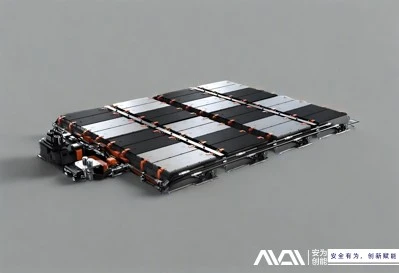
In the wave of the energy revolution, battery technology, as the core carrier of energy storage and conversion, is undergoing unprecedented transformation. From the dry batteries in flashlights to the lithium batteries in electric vehicles, and then to the fuel cells in hydrogen-powered cars, the three technological routes are competing fiercely in terms of energy density, cost, environmental friendliness, and other dimensions. However, this competition is not a simple case of "survival of the fittest" but rather a result of the deep coupling between different technological characteristics and market demands.
I. Technological Principles: Three Paradigms of Chemical Reactions
Dry batteries, as the oldest chemical power sources, are essentially "disposable energy release devices." Taking the common zinc-manganese dry battery as an example, the zinc cylinder serves as the negative electrode and is oxidized, while the manganese dioxide acts as the positive electrode and is reduced. The ammonium ions in the electrolyte paste participate in the reaction, ultimately converting chemical energy into electrical energy. This irreversible chemical reaction determines the upper limit of the dry battery's lifespan-once the active materials are exhausted, the battery is rendered useless.
Lithium batteries, on the other hand, achieve charge-discharge cycles through the migration of lithium ions between the positive and negative electrodes. Taking ternary lithium batteries as an example, during charging, lithium ions are deintercalated from the positive electrode (nickel-cobalt-manganese oxide), pass through the electrolyte, and are intercalated into the graphite negative electrode. During discharging, the process is reversed. This "rocking-chair" mechanism makes lithium batteries reversible chemical energy storage systems with theoretical cycle lives of up to several thousand times.
Fuel cells completely overturn the closed structure of traditional batteries. Taking proton exchange membrane fuel cells as an example, hydrogen is decomposed into protons and electrons at the anode. The electrons flow through an external circuit to form an electric current, while the protons pass through the electrolyte membrane and combine with oxygen at the cathode to form water. This "external feeding, internal power generation" mode makes fuel cells energy conversion devices rather than energy storage devices. Theoretically, as long as hydrogen is continuously supplied, they can generate electricity indefinitely.

II. Performance Showdown: The Triangular Game of Energy Density, Cost, and Lifespan
Energy density is a core indicator for measuring battery performance. Dry batteries generally have an energy density below 200 Wh/kg, making it difficult for them to support high-power-consumption devices. Lithium batteries have surpassed 300 Wh/kg through material innovations (such as silicon-carbon anodes and high-nickel cathodes), becoming the mainstream choice for electric vehicles. Fuel cells, with an energy density of over 400 Wh/kg, hold a dominant position in the field of heavy-duty transportation. Hydrogen-powered trucks can travel over 1,000 kilometers on a single refueling, demonstrating their absolute advantage in this area.
Cost is a key factor restricting the popularization of technologies. Dry batteries, with their mature manufacturing processes, can cost as little as 0.5 yuan per unit. However, their disposable nature results in high lifecycle costs. Through large-scale production, lithium batteries have reduced their cost per kilowatt-hour to below 0.6 yuan. Nevertheless, price fluctuations of key raw materials such as lithium and cobalt still pose risks. Fuel cells face the dilemma of being "noble" technologies, with platinum catalysts accounting for 40% of the cost of the fuel cell stack. This makes hydrogen-powered cars two to three times more expensive than their gasoline-powered counterparts.
In terms of lifespan, the chemical degradation of dry batteries is irreversible, and they usually become obsolete after hundreds of uses. Lithium batteries can have cycle lives of over 2,000 times, but high temperatures, overcharging, and other operating conditions can accelerate capacity degradation. Although the electrode materials in fuel cells do not participate in the reaction, issues such as the degradation of the proton exchange membrane and catalyst poisoning still limit their lifespan to 5,000-8,000 hours, equivalent to one-third of that of gasoline engines.
III. Application Scenarios: Technological Characteristics Determine Market Boundaries
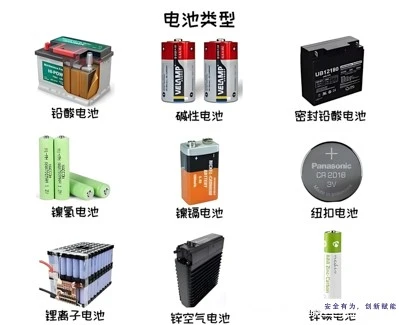
Dry batteries remain indispensable in low-power-consumption and portable scenarios. Devices such as remote controls, toys, and flashlights have modest energy density requirements but demand the convenience of being ready to use without maintenance. Data shows that the global dry battery market still reached $12 billion in 2024, with alkaline batteries accounting for over 60% of the market share. Thanks to their constant 1.5V voltage and five-year storage life, they maintain a solid position in the emergency power supply field.
Lithium batteries have dominated the consumer electronics and light-duty transportation sectors. Devices such as smartphones and laptops have dual requirements for energy density and cycle life, making lithium batteries the only viable option. In the electric vehicle market, lithium batteries have established an absolute advantage with a 95% market share. The 21700 battery pack in the Tesla Model 3 has an energy density of 260 Wh/kg and supports an NEDC range of 605 kilometers. Additionally, lithium batteries are rapidly penetrating the energy storage sector, accounting for over 90% of global electrochemical energy storage installations in 2024 and becoming a key support for the integration of renewable energy into the grid.
Fuel cells show potential in the fields of heavy-duty transportation and stationary power generation. Hydrogen-powered trucks can be refueled in just 3-5 minutes and have a range exceeding 1,000 kilometers, perfectly addressing the "range anxiety" associated with lithium batteries. Toyota's Mirai fuel cell vehicle has been commercially operated in California, Japan, and other regions, accumulating over 100 million kilometers of driving mileage. In the stationary power generation sector, the rapid start-stop characteristics of fuel cells make them the preferred backup power source for critical facilities such as data centers and hospitals. Bloom Energy's solid oxide fuel cell systems already provide stable power to over 500 companies worldwide.
IV. The Environmental Paradox: The Environmental Cost Behind Clean Energy
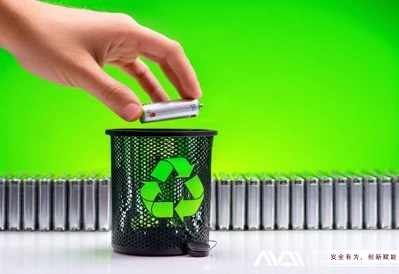
Dry batteries pose significant environmental problems. Batteries containing mercury and cadmium are difficult to degrade in the natural environment, with a single button cell battery capable of polluting 600 tons of water. Although countries have introduced mercury restrictions, over 3 billion heavy-metal-containing batteries still entered the environment globally in 2024, with a recycling rate of less than 20%.
The environmental controversy surrounding lithium batteries centers on production and recycling. Lithium mining consumes large amounts of water, with the production of one ton of lithium carbonate requiring the evaporation of 2,000 tons of brine, leading to ecological degradation around the Salar de Atacama in Chile. In terms of recycling, although physical disassembly and hydrometallurgical techniques have achieved metal recovery rates of over 95%, the global recycling rate of lithium batteries remained below 30% in 2024. A large number of spent batteries flow into informal channels, posing risks of secondary pollution.
Fuel cells have both environmental advantages and challenges. The combustion product of hydrogen is merely water, but currently, 96% of hydrogen is produced from fossil fuel reforming, with each kilogram of gray hydrogen generating 10 kilograms of carbon dioxide emissions. If electrolytic water splitting (green hydrogen) is used, it requires 48 kWh of electricity, and its lifecycle carbon emissions depend on the share of renewable energy. Additionally, the recycling technology for platinum catalysts in fuel cells is still immature, and achieving a closed loop for precious metals remains an unsolved problem.
V. Future Prospects: Technological Convergence and Scenario Innovation
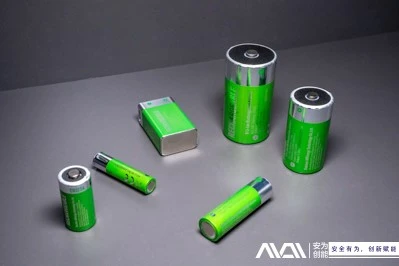
The three battery technologies are not engaged in a zero-sum game but rather exhibit a trend of "complementary coexistence." In the consumer electronics sector, lithium batteries will continue to dominate the market, but next-generation technologies such as solid-state batteries and lithium-sulfur batteries may break through the 500 Wh/kg energy density bottleneck. In the heavy-duty transportation sector, the "electric-electric hybrid" system combining fuel cells and lithium batteries is emerging. Collaborative projects between Toyota and Kenworth have shown that using fuel cells for long-distance travel and lithium batteries for urban driving can reduce the overall energy consumption of hydrogen-powered trucks by 15%. In the stationary energy storage sector, the successor to dry batteries-sodium-ion batteries-is rapidly rising. With a cost 30% lower than that of lithium batteries and abundant raw material reserves, they are expected to capture 20% of the global energy storage market by 2030.
The direction of technological evolution is always defined by market demands. When lithium batteries approach their theoretical limits in terms of energy density, the infinite range advantage of fuel cells will become increasingly prominent. When the cost of fuel cells drops to the level of lithium batteries, their zero-emission characteristics may trigger a revolutionary change in the transportation sector. Meanwhile, dry batteries may find new life in emerging fields such as Internet of Things (IoT) devices and wearable technology through flexible and miniaturized technologies.
In this marathon of energy technology, there are no eternal "kings," only innovators constantly adapting to scenario-based demands. The competition among lithium batteries, dry batteries, and fuel cells is, in essence, a history of humanity's exploration of the boundaries of energy storage and conversion. In the future, with the cross-disciplinary integration of material science, electrochemistry, artificial intelligence, and other disciplines, battery technology will break through existing paradigms and provide cleaner, more efficient, and sustainable solutions for the global energy transition.