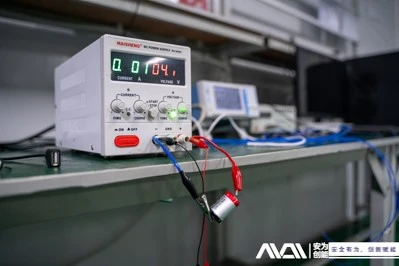
Lithium batteries, as the core power source for modern electronic devices, are widely used in smartphones, electric vehicles, energy storage systems, and beyond. However, with a plethora of brands and models flooding the market, how can consumers make informed choices? This guide provides a scientific approach to selection, focusing on four key dimensions: technical specifications, safety certifications, application scenarios, and brand reputation. It combines the latest market cases and authoritative data to empower consumers.
1. Core Parameters: Balancing Capacity, Voltage, and Cycle Life
1.1 Capacity vs. Battery Life
The capacity of a lithium battery (measured in mAh) directly determines the device's runtime. For example, the BOTKK lithium battery for Dyson vacuum cleaners offers a 5000mAh capacity, supporting 65 minutes of cleaning, while the Nanfu 1.5V constant-voltage lithium battery provides 2775mWh (approximately 1850mAh) for extended gameplay in gaming controllers. Consumers should select capacity based on device power consumption: low-power devices (e.g., remote controls) can use 1000–2000mAh batteries, while high-power devices (e.g., power tools) require 3000mAh or higher.
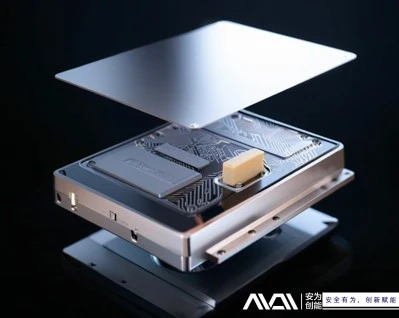
1.2 Voltage Matching: The Key to Device Compatibility
Different devices have strict voltage requirements. For instance, AA lithium batteries typically have a nominal voltage of 1.5V (constant output), while 18650 cylindrical batteries deliver 3.7V. Using a 3.7V battery in a 1.5V device may damage the circuitry. Always check the device's voltage specifications before purchasing to avoid compatibility issues.
1.3 Cycle Life: The Hidden Indicator of Cost-Effectiveness
Cycle life refers to the number of charge-discharge cycles a battery can endure. The Delipow AA lithium battery claims 500 cycles, while Nanfu's model achieves 1000 cycles. Assuming daily charging, the former lasts approximately 1.4 years, while the latter extends to 2.7 years. For devices with high usage frequency (e.g., smart locks), opt for batteries with 1000+ cycles.
2. Safety Certifications: The Triple Defense of CCC, UL, and BMS
2.1 Mandatory Certifications: The Necessity of CCC Marks
According to a 2025 evaluation by the Shanghai Consumer Council, 2 out of 15 portable power stations lacked CCC certification, posing safety risks. CCC is a mandatory standard in China, covering electrical safety, overcharge protection, and other critical metrics. Prioritize products with CCC marks to avoid unregulated "three-no" batteries.
2.2 International Certifications: The Added Value of UL and CE
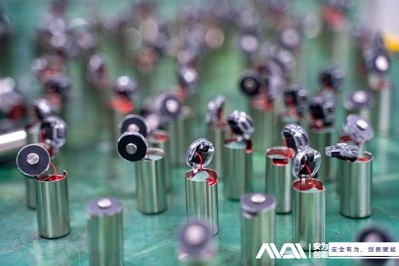
While not mandatory, UL (U.S.) and CE (EU) certifications reflect a product's global competitiveness. For example, Phoenix Contact's 18650 lithium battery, UL-certified, combines a 3500mAh capacity with explosion-proof design for outdoor adventures.
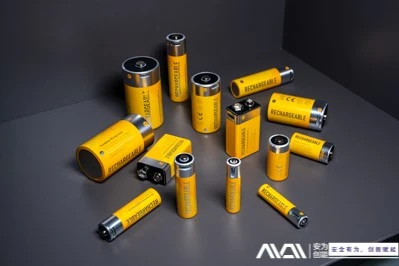
2.3 Battery Management Systems (BMS): The Guardian of Safety
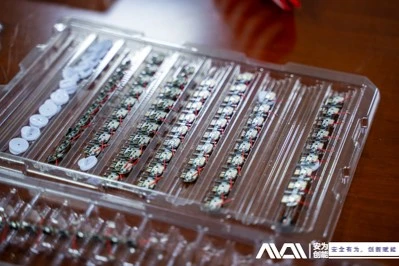
BMS monitors voltage, current, and temperature in real time to prevent overcharging, over-discharging, and short circuits. For instance, Nanfu's lithium battery incorporates ten-layer protection, automatically cutting power during anomalies, while Zhehege's GPS navigator battery features overcharge protection boards for charging safety.
3. Application Scenarios: Differentiated Needs from Household to Industrial Use
3.1 Household Use: Balancing Portability and Versatility
The Leise USB-AA lithium battery, with a Type-C interface, is compatible with microphones, toys, and more. Its 3300mAh capacity and 1200-cycle lifespan cater to daily needs. For household batteries, prioritize interface compatibility (e.g., USB-C) and storage convenience (e.g., included cases).
3.2 Industrial Use: High Discharge Rates and Longevity
CATL's 28Ah lithium iron phosphate battery delivers a peak discharge rate of 70C, outputting 1960A for large diesel engine startups. Industrial batteries require high discharge rates (e.g., 5C, 6C) and robust cell chemistry (e.g., lithium iron phosphate for thermal stability).
3.3 Specialized Scenarios: Adaptability to Extreme Environments
Zhehege's polymer lithium battery, just 3mm thick, fits GPS navigators and dash cams, while some batteries endure -20°C to 60°C temperatures for polar expeditions or desert exploration. Choose products based on environmental conditions (e.g., temperature, humidity).
4. Brands and After-Sales: Dual Assurance from Big Names and Long-Term Service
4.1 Technological Edge of Leading Brands
CATL and BYD dominate the global power battery market, offering superior cell consistency (e.g., voltage deviation <0.01V) and safety (e.g., thermal runaway temperature >500°C). In household sectors, brands like Nanfu and Panasonic, certified by ISO9001, provide comprehensive quality assurance.
4.2 Hidden Costs of After-Sales Policies
Mainstream brands typically offer 1–3-year warranties. For example, Delipow promises a 1-year warranty with replacement-only service. Note:
Does the warranty cover human-induced damage?
Are shipping or component fees required for repairs?
Does online purchase support nationwide after-sales?
4.3 Pitfalls to Avoid: Low-Price Traps and False Advertising
Beware of "capacity mislabeling" and "used cells." For instance, some budget brands advertise 3000mAh but deliver only 2500mAh, while second-hand cells may have less than 50% of their claimed cycle life. Purchase from official channels and demand quality inspection reports.
5. Decision-Making Framework: Four Steps to the Ideal Product
Define Needs: Device type (phone/EV/storage), usage frequency (daily/weekly), budget range (¥50–500).
Filter by Parameters: Capacity ≥ device requirements, voltage match, cycle life ≥ expected lifespan.
Verify Safety: CCC/UL/CE certifications, BMS protection, user reviews for safety incidents.
Compare Brands: Weigh leading brands (e.g., CATL, Nanfu) against cost-effective options (e.g., Delipow, Leise).