

In modern society, batteries serve as crucial devices for energy storage and conversion, widely used in various electronic products and energy systems. Among them, consumer batteries and energy storage batteries are two main types of batteries, exhibiting significant differences in purpose, performance, design, and application fields. This article delves into the characteristics and distinctions between these two types of batteries.
I. Definitions and Application Fields
Consumer Batteries
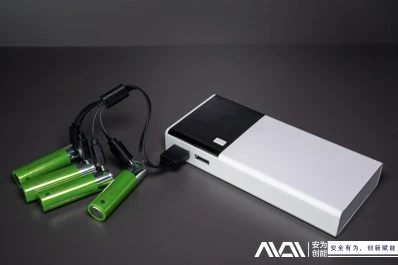
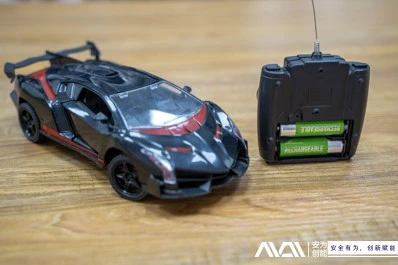
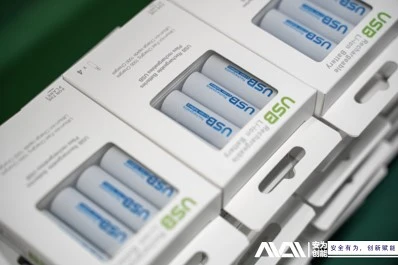
Consumer batteries are primarily used in portable electronic devices in daily life, such as smartphones, laptops, power banks, electronic cigarettes, drones, and more. These batteries typically adopt easy-to-carry small packagings, enabling users to power their devices anytime and anywhere. In recent years, with the proliferation and rapid upgrades of consumer electronics, the demand for consumer batteries has been continuously growing.
Energy Storage Batteries
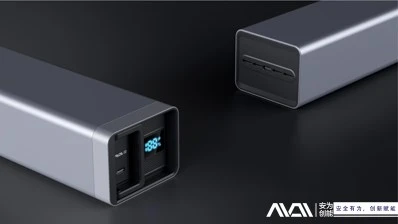
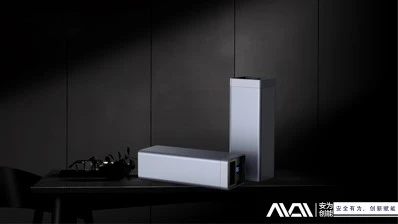
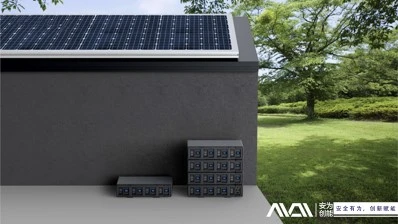
Energy storage batteries are mainly used to store electrical energy and release it when needed, fulfilling energy requirements in fields such as power systems, renewable energy, and transportation. Energy storage batteries generally have large capacities and long cycle lives, playing a crucial role in grid peak shaving, renewable energy storage, electric vehicle charging, and more. Their application range is extensive, from household energy storage systems to large-scale grid energy storage facilities.
II. Structure and Performance Characteristics
Consumer Batteries
Chemical Composition and Structure: Consumer batteries mainly utilize alkaline zinc-manganese batteries, zinc-carbon batteries, lithium batteries, etc., with relatively simple chemical compositions. Structurally, they usually consist of a positive electrode, a negative electrode, and an electrolyte. Some batteries may also contain separators to isolate the positive and negative electrodes, preventing short circuits.
Energy Density and Power: Consumer batteries have relatively low energy densities, suitable for low-power, short-duration device use. This means they can provide sufficient electrical energy to maintain normal device operation but have relatively short endurance times.
Cycle Life: Consumer batteries are typically disposable or have limited charge-discharge cycles. Once depleted, they usually need to be discarded or recycled, unable to undergo multiple charge-discharge cycles like power batteries.
Charging Speed: Although consumer batteries generally have faster charging speeds, their usage scenarios are mostly portable devices, so charging convenience is also a key concern for users.
Energy Storage Batteries
Chemical Composition and Structure: Energy storage batteries are diverse, including lead-acid batteries, lithium-ion batteries, sodium-sulfur batteries, etc. Their chemical compositions and structures are relatively complex to accommodate long-duration, high-capacity energy storage needs. Energy storage batteries usually consist of multiple battery cells forming a battery pack, monitored and managed through a Battery Management System (BMS).
Energy Density and Power: Energy storage batteries have high energy densities and power output capabilities, meeting the demands of large-scale energy storage and rapid charge-discharge. This gives them significant advantages in grid energy storage, renewable energy storage, and more.
Cycle Life: Energy storage batteries typically have long cycle lives, maintaining high performance levels after multiple charge-discharge cycles. This is crucial for improving energy utilization efficiency and reducing operation and maintenance costs.
Safety and Stability: Safety and stability are strictly considered during the design and manufacturing processes of energy storage batteries. By adopting advanced BMS, thermal management systems, and other technological means, the batteries can remain safe and stable during charging and discharging.
III. Key Technologies and Development Trends
Consumer Batteries
High Energy Density Technology: As consumers increasingly seek longer device endurance, high energy density technology has become a key development direction for consumer batteries. By improving electrode materials and optimizing battery structures, the energy density of batteries can be increased, thereby extending device endurance.
Rapid Charging Technology: Rapid charging technology is also an important research direction in the field of consumer batteries. By adopting advanced charging algorithms and optimized BMS, rapid battery charging can be achieved, enhancing user charging experiences.
Environmental Protection and Recycling Technology: With rising environmental awareness, environmental protection and recycling technologies for consumer batteries are increasingly gaining attention. By using eco-friendly materials and recyclable designs, battery pollution to the environment can be reduced, enabling the circular utilization of resources.
Energy Storage Batteries
Long-Life Technology: Long-life technology is key to the development of energy storage batteries. By improving battery materials and optimizing battery structures, the cycle life and performance stability of batteries can be enhanced, thereby reducing operation and maintenance costs and improving energy utilization efficiency.
Large-Scale Energy Storage Technology: With the rapid development of renewable energy and the increasing level of grid intelligence, large-scale energy storage technology has become an important research direction in the field of energy storage batteries. By adopting advanced energy storage systems and energy management systems, large-scale electrical energy storage and scheduling can be achieved, improving grid stability and reliability.
Intelligent Management Technology: Intelligent management technology is an important trend in the development of energy storage batteries. By utilizing IoT, big data, AI, and other technological means, remote monitoring, intelligent scheduling, and fault warning of energy storage batteries can be realized, improving operation and maintenance efficiency and safety.
IV. Market and Competitive Landscape
Consumer Battery Market
The consumer battery market has broad prospects and huge potential. With the proliferation and accelerated upgrade cycles of portable electronic devices such as smartphones and laptops, the demand for consumer batteries continues to grow. Meanwhile, emerging fields such as electronic cigarettes and drones have also presented new demands for consumer batteries. In terms of market competition, numerous domestic and foreign battery enterprises are actively deploying in the consumer battery market, competing for market share through technological innovation and capacity expansion.
Energy Storage Battery Market
The energy storage battery market also has broad development prospects. With the rapid development of renewable energy and the increasing level of grid intelligence, the demand for energy storage batteries in grid energy storage, renewable energy storage, and other areas is continuously growing. At the same time, the rapid development of the electric vehicle industry has also provided new market opportunities for energy storage batteries. In terms of market competition, domestic and foreign battery enterprises are increasing investments and research and development efforts in the field of energy storage batteries, enhancing market competitiveness through technological innovation and industrial upgrading.
V. Conclusion and Outlook
In summary, consumer batteries and energy storage batteries exhibit significant differences in definitions, application fields, structures and performance characteristics, key technologies and development trends, as well as markets and competitive landscapes. With technological advancements and continuous market development, both types of batteries will usher in broader development prospects. For consumer batteries, the future will continue to move towards high energy density, rapid charging, and environmental recycling, meeting consumers' increasing demands for device endurance and environmental performance. At the same time, emerging fields such as smart wearable devices and smart homes will also bring new market opportunities for consumer batteries. For energy storage batteries, the future will continue to trend towards long life, large-scale energy storage, and intelligent management, fulfilling demands in grid energy storage, renewable energy storage, and electric vehicle charging. Meanwhile, with continuous technological advancements and cost reductions, energy storage batteries will be widely applied and promoted in more fields.
Looking ahead, with the continuous advancement of global energy transitions and sustainable development, the battery industry will embrace broader development spaces and opportunities. Both consumer batteries and energy storage batteries require continuous innovation and upgrades to adapt to market demands and technological changes. At the same time, strengthening international cooperation and exchanges is also an important way to promote the development of the battery industry.