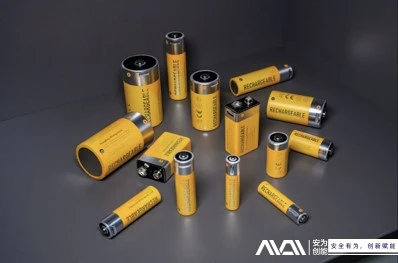
As a cornerstone of modern energy systems, battery technology profoundly influences humanity's energy utilization paradigm. From everyday consumer electronics to industrial-scale energy storage solutions, diverse battery types leverage unique material properties and structural designs to fulfill irreplaceable roles across their respective domains. This article systematically dissects the technological evolution of mainstream battery categories from four perspectives: chemical system classification, performance characteristics, application scenarios, and future trends.
I. Chemical System Classification: A Technological Spectrum from Primary Batteries to Fuel Cells
1. Primary Batteries (Non-Rechargeable)
Alkaline dry cells, epitomized by zinc-manganese dioxide (Zn-MnO₂) batteries, generate 1.5V through redox reactions between a zinc anode and manganese dioxide cathode in alkaline electrolyte. Their strengths lie in low cost (~¥0.5–2 per unit), extended shelf life (up to 5 years), and disposable convenience, making them ubiquitous in low-power devices like remote controls and flashlights.
Lithium-manganese dioxide (Li-MnO₂) primary batteries elevate voltage to 3V by pairing lithium metal anodes with MnO₂ cathodes, tripling energy density compared to alkaline counterparts. These are favored in long-duration applications such as smart water meters and medical monitoring devices, though manufacturing costs and transportation risks associated with reactive lithium metal remain constraints.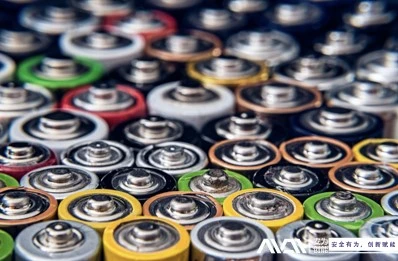
2. Secondary Batteries (Rechargeable)
Lead-Acid Batteries: The most mature energy storage technology, these employ lead dioxide (PbO₂) cathodes, sponge lead (Pb) anodes, and sulfuric acid electrolyte. Delivering 2V per cell, they dominate automotive starter battery markets (>90% share) due to low cost (~¥0.3/Wh) and superior high-rate discharge capability (>80% capacity retention at 10C discharge). However, their low energy density (30–50Wh/kg) and limited cycle life (300–500 cycles) restrict adoption in consumer electronics.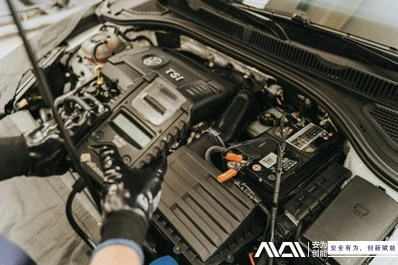
Lithium-Ion Batteries: These operate via lithium-ion intercalation/deintercalation between electrodes. Lithium iron phosphate (LiFePO₄) batteries, with an olive-structured cathode, offer 160mAh/g theoretical capacity, 3.2V nominal voltage, and >2,000-cycle lifespans, making them ideal for electric buses and grid-scale storage. NCM/NCA ternary lithium batteries enhance energy density to 250–300Wh/kg through nickel-cobalt-manganese/aluminum synergies, enabling >600km ranges in premium EVs like the Tesla Model 3.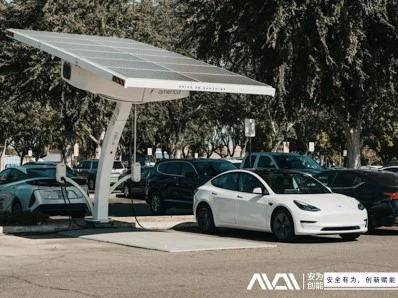
Nickel-Metal Hydride (NiMH) Batteries: As eco-friendly alternatives to nickel-cadmium (NiCd) batteries, NiMH variants use hydrogen-storage alloy anodes and nickel oxyhydroxide cathodes. Despite lower energy density (60–80Wh/kg) than lithium-ion, their ultra-wide operating temperature range (-40°C to 80°C) has secured >20 million hybrid vehicle deployments, exemplified by the Toyota Prius.
3. Fuel Cells
Proton Exchange Membrane Fuel Cells (PEMFCs) directly convert hydrogen and oxygen into electricity via electrochemical reactions, achieving theoretical efficiencies up to 83%. The Toyota Mirai's PEMFC system delivers 5.4kW/L volumetric power density, enabling 850km ranges with 3-minute hydrogen refueling. However, platinum catalyst costs (~40/kW)andhydrogenstorage/transportationchallengesinflatevehiclecoststo 100,000, impeding mass commercialization.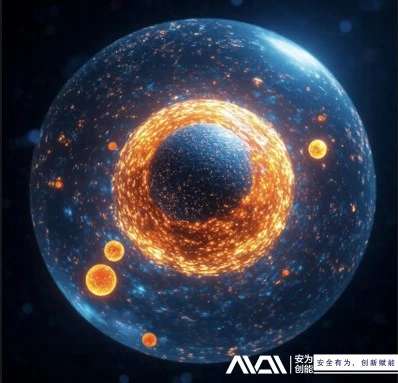
II. Structural Form Factor Classification: Engineering Innovations from Cylindrical to Pouch
Cells
1. Cylindrical Cells
Represented by 18650/21700 formats, these use steel casings for mechanical robustness. Tesla Model S employs Panasonic NCA cylindrical cells with 260Wh/kg energy density, though their 3.4Ah capacity necessitates >7,000-cell packs, exponentially increasing battery management system (BMS) complexity.
BYD's Blade Battery adopts elongated aluminum-encased prismatic designs, achieving 66% volume utilization via laminated electrode stacking and 180Wh/kg density, enabling 605km ranges in the Han EV.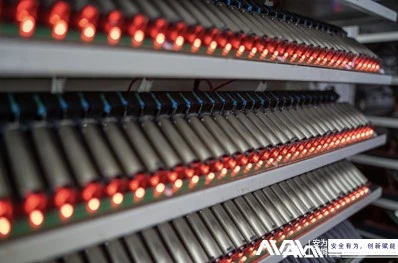
2. Prismatic Cells
CATL's CTP 3.0 technology integrates cells directly into packs, eliminating modules to achieve >72% volume utilization. Its NCM811 prismatic cells deliver 285Wh/kg density, supporting 1,000km ranges in the NIO ET7. However, prismatic winding processes risk electrode wrinkling, posing yield control challenges.
3. Pouch Cells
Encapsulated in aluminum-laminated films, pouch cells offer 10–15% higher gravimetric energy density than steel-cased counterparts. LG Energy Solution's pouch cells for GM's Ultium platform reduce internal resistance by 30% via dual-tab designs, enabling 800V fast charging. Yet, their puncture resistance (1/10th of steel) demands reinforced structural adhesives for safety.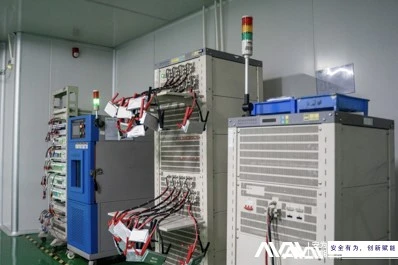
III. Application-Driven Demands: Diversified Needs from Consumer Electronics to Energy
Internet
1. Consumer Electronics
Lithium cobalt oxide (LCO) batteries dominate smartphones with 274mAh/g theoretical capacity. Apple's iPhone 15 Pro Max utilizes customized LCO cells with 763Wh/L density and AI-powered power management algorithms to achieve 29-hour video playback. However, LCO's low thermal runaway threshold (150°C) necessitates multi-layer safeguards like ceramic separators and pressure relief valves.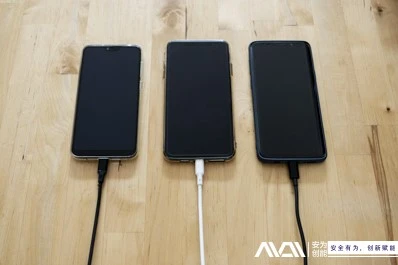
2. Electric Vehicles
BYD's CTB (Cell to Body) technology in the Seal model integrates the battery upper cover with the vehicle floor, doubling torsional rigidity to 40,500N·m/° versus traditional CTP designs. Its LiFePO₄ Blade Batteries reduce thermal management energy consumption by 30% via direct cooling/heating, enabling -30°C to 60°C operational ranges.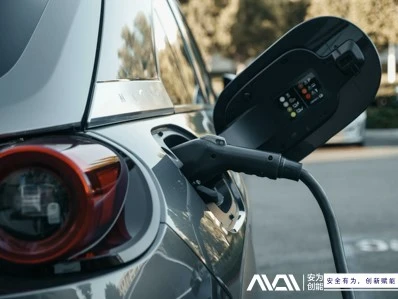
3. Energy Storage
CATL's EnerOne storage system employs 280Ah LiFePO₄ cells with >12,000-cycle lifespans and ¥0.15/kWh costs. Paired with liquid cooling and three-stage fire suppression, it achieves millisecond-level fault isolation at Qinghai Gonghe PV Plant, maintaining 99.9% system availability.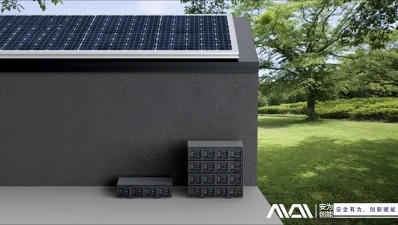
IV. Future Technological Trends: A Paradigm Shift from Liquid to Solid-State
1. Solid-State Batteries
Sulfide-based solid electrolytes (e.g., LGPS) exhibit ionic conductivities approaching 12mS/cm, rivaling liquid electrolytes. Toyota aims to mass-produce solid-state batteries by 2027 with 450Wh/kg density and 10-minute charging for 1,200km ranges. However, sulfide electrolytes' air instability inflates manufacturing costs to $650/kg, necessitating in-situ solidification to mitigate interfacial resistance.
2. Sodium-Ion Batteries
HiNa Battery's layered oxide cathode materials retain >90% capacity after 1,000 cycles at 3C rates. Their sodium-ion batteries cost 30% less than LiFePO₄ counterparts, enabling scale-up in e-bikes and telecom base stations.
3. Lithium-Sulfur Batteries
Lithium sulfide (Li₂S) cathodes offer 1,675mAh/g theoretical capacity-10x that of graphite anodes. CATL's lithium-sulfur pouch cells exceed 500Wh/kg density, though polysulfide shuttle effects limit cycle life to 200 cycles. Three-dimensional carbon frameworks are being explored to confine polysulfide diffusion.
Conclusion: The Evolutionary Logic of Battery Technology in the Energy Revolution
From Voltaic piles to lithium-air batteries, breakthroughs in battery technology stem from synergistic innovations in materials science, electrochemical engineering, and manufacturing processes. While lithium-ion batteries currently dominate (>90% market share), emerging technologies like solid-state and sodium-ion batteries are penetrating markets at >20% annual growth rates. Over the next decade, advancements in material interface engineering, intelligent manufacturing, and cloud-based battery health management could enable >1,000Wh/kg energy densities and 5-minute charging, revolutionizing global energy systems. For China's battery industry, strategic patent deployments in core materials-including solid electrolytes, high-nickel cathodes, and silicon-carbon anodes-will be pivotal in securing global leadership.