

In the wave of global energy transformation, new energy vehicles and energy storage systems are reshaping the industrial landscape at an astonishing pace. However, after power batteries complete their missions, their recycling and reuse are quietly evolving into an invisible battle that concerns environmental safety, resource strategy, and the future of the industry. This battle, fought without smoke, is shaking the nerves of a trillion-dollar market and determining whether humanity can truly achieve a closed-loop cycle of green energy.
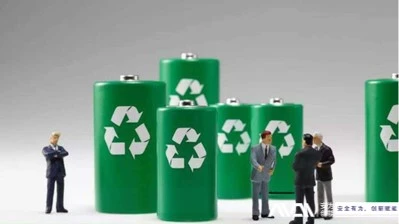
I. The Retirement Tide Approaches: The "Sweet Trap" of a Billion-Dollar Market
China's new energy vehicle ownership has surpassed 31.4 million. Based on the 5-8 year service life of power batteries, the retirement volume is expected to reach 1.04 million tons in 2025 and soar to 3.5 million tons by 2030. This "retirement tide" has spawned a billion-dollar recycling market, but behind the seemingly attractive cake lie three major crises:
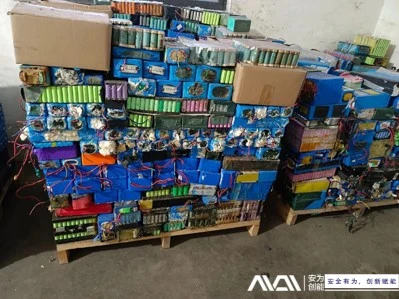
Environmental Bomb: A retired power battery contains heavy metals such as cobalt and nickel, as well as electrolyte. If discarded randomly, one ton of waste batteries can pollute 600,000 liters of groundwater, with the pollution hazards lasting for a century. In 2024, a fire at an illegal dismantling workshop in Sichuan exposed the fatal risks of crude processing in small workshops.
Resource Constraints: China's external dependence on nickel, cobalt, and lithium all exceeds 80%. However, the recycling of lithium, cobalt, and nickel from retired batteries can meet 24%, 31.2%, and 16.8% of the country's annual demand, respectively, making them a veritable "urban mine." Currently, the standardized recycling rate is less than 25%, with a large amount of resources flowing into informal channels.
Industrial Friction: Legitimate enterprises need to invest hundreds of millions of yuan to build environmentally friendly production lines, while black workshops snatch up raw material sources with high prices, causing leading companies like CATL to face cost inversion in recycling. In 2024, the plunge in lithium carbonate prices further plunged small and medium-sized enterprises into the dilemma of "recycling means losses."
II. The Technological Breakthrough Battle: From Physical Dismantling to Biometallurgy
In this resource competition, technological innovation has become the key to breaking the deadlock. The industry currently features three parallel technological routes:
Physical Methods: The early mainstream mechanical crushing method has gradually been phased out due to low metal recovery rates and severe dust pollution. The low-temperature plasma crushing technology developed by the joint laboratory of Sichuan University and Myriad Solar has increased the recovery rates of aluminum and copper to 98% while reducing energy consumption by 40%.
Chemical Methods: Hydrometallurgy dominates the mainstream, but it suffers from high acid-base consumption and long process flows. Brunp Recycling's "short-flow regeneration technology" eliminates intermediate purification steps, achieving a lithium recovery rate exceeding 91% and reducing costs by 35%. CATL's direct electrode plate regeneration process has restored material performance to 95%, far surpassing the industry average.
Biological Methods: Microbial leaching technology represents the future direction. Laboratory data from a certain enterprise shows that its cultivated Acidithiobacillus ferrooxidans can extract over 80% of nickel within 72 hours, shortening the process time by fivefold compared to traditional methods and eliminating the need for strong acids.
Technological competition has extended into the field of intelligence. CATL has introduced an AI visual recognition system that can process 20 battery packs per minute with an accuracy rate of 99.7% in sorting, at a cost only 10% of manual labor. Tianqi Automation's fully automatic dismantling line achieves precise dismantling of battery packs with adhesive through laser positioning and robotic arm collaboration, increasing single-line production capacity by 300%.
III. The Policy Battlefield: From Local Pilots to Global Standards
Policymakers are reshaping the industry ecosystem through a "carrot and stick" strategy:
Domestic Efforts: The Ministry of Industry and Information Technology's revised Administrative Measures for the Comprehensive Utilization of Waste Power Batteries from New Energy Vehicles (2024 Edition) has raised the lithium recovery rate indicator from 85% to 90% and added new mandatory requirements such as an electrode powder recovery rate of no less than 98%. Sichuan has taken the lead in piloting a "regional hub" model, planning to build 4-5 hubs integrating recycling, storage, transportation, and testing functions to address the issue of "small, scattered, and disorderly" operations.
International Competition: The EU's New Battery Regulation requires full coverage of carbon footprint declarations for power batteries by 2027, while the US Inflation Reduction Act incorporates the proportion of recycled materials into subsidy assessments. Chinese enterprises are encountering "green barriers" in their overseas layouts. CATL has collaborated with the Ellen MacArthur Foundation to develop a battery passport system, attempting to gain a say in international standard-setting.
Traceability Revolution: The national full lifecycle traceability management platform for power batteries has connected data from over 10 million vehicles, achieving full-chain tracking from production to dismantling through blockchain technology. The international standard Guidelines for Discharge of Retired Batteries, led by Henan Province, has been approved by the International Electrotechnical Commission (IEC), providing a Chinese solution for the global recycling system.
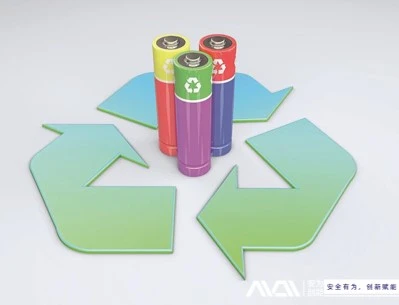
IV. Business Model Innovation: From Linear Economy to Circular Ecosystem
Leading enterprises are constructing three new types of ecosystems:
Automaker Closed Loops: Tesla has established a "production-use-recycling-remanufacturing" system in collaboration with third parties, with recycled battery materials from its Shanghai Gigafactory accounting for 15% of the materials used in new vehicles. BYD has launched a "battery bank" model, allowing users to receive vehicle purchase subsidies by trading in retired batteries, forming a consumer-driven recycling network.
Cascading Utilization: State Grid Henan Electric Power Company has repurposed retired batteries as backup power sources for communication base stations, saving 12,000 yuan in electricity costs per station annually. CATL and China Southern Power Grid have collaborated to build energy storage stations, extending the lifespan of retired batteries by 5-8 years and reducing the cost per kilowatt-hour to below 0.3 yuan.
Industry Alliances: GEM has spearheaded the establishment of the "China Power Battery Recycling Utilization Industry Alliance," jointly building recycling networks with automakers and battery manufacturers. JD Technology's "Jinglan Platform" matches supply and demand through big data, reducing the recycling radius by 60% and lowering logistics costs by 25%.

Technological Generational Shift: Fourth-generation technologies such as biometallurgy and ultrasonic separation are expected to enter commercial pilot stages by 2025, potentially reducing lithium recycling costs by another 50% and fundamentally changing the industry's economic model.
Carbon Asset Competition: With the expansion of the national carbon market, recycling 1 kilogram of materials can reduce carbon emissions by 7%-10%. Enterprises need to establish carbon footprint accounting systems to convert emission reductions into financial assets.
Global Layout: Chinese enterprises' overseas bases in Indonesia, Hungary, and other locations already account for 30% of global production capacity, but they must navigate local environmental regulations and cultural differences. CATL's German factory has reduced compliance costs by 40% through localized procurement and community engagement.
In this invisible battle, every retired battery is a combination of strategic resources, environmental risks, and commercial value. As the industry transitions from "wild growth" to "regulated operations," the triple drive of technological innovation, policy guidance, and business model innovation is transforming this battle into a key campaign driving the green energy revolution. As CATL Chairman Robin Zeng stated, "By 2042, we hope to manufacture half of our batteries using recycled lithium." This is not just an ambition of an enterprise but a necessary path for humanity to achieve sustainable development.