

Since its launch, the TYPE-C charging port has won widespread recognition in the market for its reversible insertion, high transfer speeds, and high power. Compared to traditional charging ports, TYPE-C is more user-friendly, eliminating the need for users to worry about inserting it the wrong way, greatly enhancing charging convenience. Additionally, TYPE-C ports support high-speed data transfer and audio-video transmission, meeting users' demands for multifunctionality. Furthermore, TYPE-C ports boast strong compatibility, capable of adapting to various brands and models of electrical devices, providing users with more flexible charging options.Since its launch, the TYPE-C charging port has won widespread recognition in the market for its reversible insertion, high transfer speeds, and high power. Compared to traditional charging ports, TYPE-C is more user-friendly, eliminating the need for users to worry about inserting it the wrong way, greatly enhancing charging convenience. Additionally, TYPE-C ports support high-speed data transfer and audio-video transmission, meeting users' demands for multifunctionality. Furthermore, TYPE-C ports boast strong compatibility, capable of adapting to various brands and models of electrical devices, providing users with more flexible charging options.
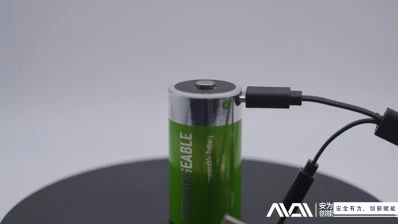
In the field of rechargeable lithium batteries, the introduction of TYPE-C ports has also brought significant changes. Firstly, rechargeable lithium batteries with TYPE-C ports can easily adapt to most TYPE-C charging port chargers on the market. This means users no longer need to purchase different chargers for different electrical devices; one TYPE-C charger can fulfill the charging needs of all TYPE-C port devices. This not only saves users' purchasing costs but also reduces the number of chargers, contributing to resource conservation and environmental protection.
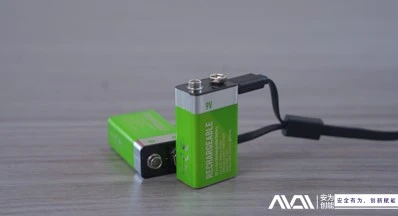
Secondly, rechargeable lithium batteries with TYPE-C ports have seen significant improvements in charging efficiency. TYPE-C ports support high-power charging, enabling rapid battery replenishment and shortened charging times. This is undoubtedly a huge benefit for users who need to use electronic devices for extended periods. At the same time, TYPE-C port chargers feature intelligent recognition capabilities, automatically adjusting charging power based on the device's battery level and needs, ensuring the safety and stability of the charging process.
In terms of safety, our rechargeable lithium batteries also excel. The battery interior is equipped with an advanced short-circuit protection mechanism. When the charger outputs abnormal current or voltage, the short-circuit protection mechanism will immediately activate, cutting off the charging circuit to prevent the battery from short-circuiting or exploding. This design not only enhances battery safety but also extends its lifespan. Additionally, TYPE-C port chargers incorporate multiple safety mechanisms such as overload protection, overvoltage protection, and overtemperature protection, further ensuring the safety and stability of the charging process.
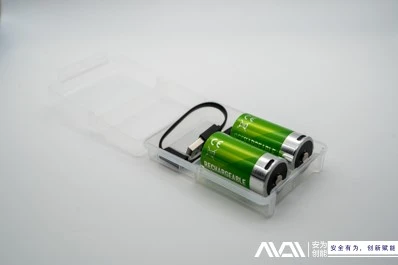
With the introduction of the EU's new regulation, the TYPE-C charging port will become the unified standard for electrical device charging ports. For our rechargeable lithium batteries, this represents a tremendous opportunity. Firstly, unifying charging port standards will promote interconnectivity among electrical devices, enabling resource sharing and optimization. Users no longer need to purchase different chargers and cables for different brands of electrical devices; one TYPE-C charger and cable can fulfill the charging needs of all electrical devices. This not only enhances users' charging convenience but also reduces resource waste and environmental pollution.
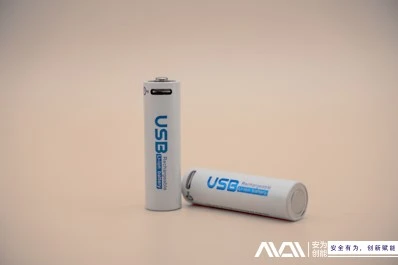
Secondly, unifying charging port standards will drive innovation and development in electrical device charging technology. As more electrical devices adopt TYPE-C charging ports, charger manufacturers will continuously introduce more efficient, safe, and convenient charger products to meet user needs. This will propel continuous advancements and innovations in charging technology, bringing more convenience and surprises to our lives. At the same time, unifying charging port standards will enhance compatibility among electrical devices, enabling smoother data transfer and audio-video transmission between different brands and models.
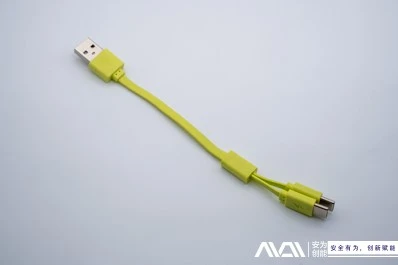
For our rechargeable lithium batteries, the introduction of TYPE-C charging ports offers even more possibilities. For instance, in the smart home sector, rechargeable lithium batteries with TYPE-C ports can more conveniently provide power support for smart home devices. Users only need to connect smart home devices to a TYPE-C charger to achieve rapid charging and extended use. This not only improves the battery life and usage convenience of smart home devices but also promotes the popularization and development of smart home technology.
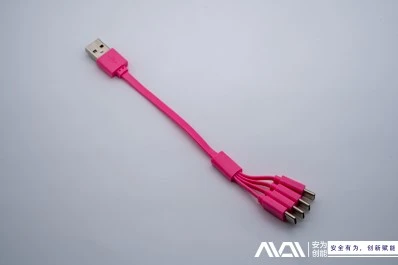
Furthermore, in the wearable device sector, rechargeable lithium batteries with TYPE-C ports also have broad application prospects. Wearable devices are typically small in size and rich in functionality, with high demands for battery life and charging convenience. Rechargeable lithium batteries with TYPE-C ports can meet these demands, providing wearable devices with more stable and efficient power support. Meanwhile, TYPE-C port chargers offer portability and ease of use, enabling users to charge wearable devices anytime and anywhere.
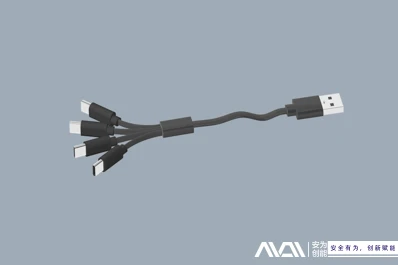
However, while enjoying the convenience brought by TYPE-C charging ports, we also need to pay attention to certain issues. Firstly, although TYPE-C charging ports offer good compatibility, not all TYPE-C chargers are suitable for our rechargeable lithium batteries. Therefore, when purchasing chargers, we need to carefully check the product's compatibility instructions and charging power parameters to ensure the charger can adapt to our lithium batteries. Secondly, when using chargers, we need to follow the safety precautions and charging specifications in the product manual, avoiding the use of damaged or unqualified chargers and cables to ensure the safety and stability of the charging process.
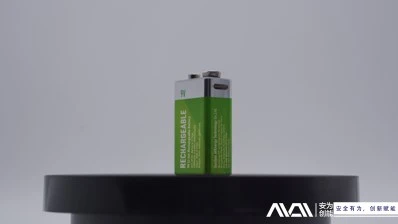
In summary, the introduction of TYPE-C charging ports has brought unprecedented compatibility improvements and charging convenience to our rechargeable lithium batteries. With the introduction of the EU's new regulation and the strengthening trend of unifying electrical device charging ports, we can expect TYPE-C charging ports to play an even more crucial role in the future. At the same time, we also need to stay informed about new technologies and products, continuously enhancing our technological literacy and charging safety awareness to better adapt to and enjoy the conveniences and joys brought by the digital era. In future developments, we will continue to drive innovations and developments in electrical device charging technology, providing users with more efficient, safe, and convenient charging solutions.