

AVEnergy Factory: A Leading Manufacturer of Rechargeable Lithium Batteries
In today's rapidly developing technological era, rechargeable lithium batteries have become a critical power source driving progress across various industries. As a prominent player in this field, AVEnergy, with its exceptional research and development capabilities, advanced production processes, and stringent quality control, provides the market with a series of high-quality, high-performance rechargeable lithium batteries. However, there is an important safety principle that needs to be emphasized when using these advanced battery products: in most cases, it is not recommended to use rechargeable lithium batteries while they are charging. Below, we will delve into this topic from multiple perspectives and introduce how AVEnergy ensures the safe use of batteries through technological innovation.
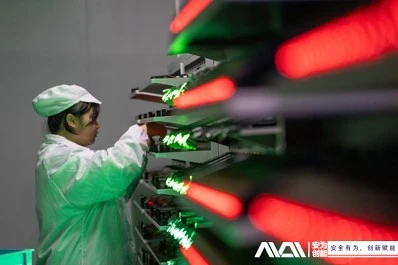
I. Basic Working Principle and Safety Characteristics of Rechargeable Lithium Batteries
The working principle of rechargeable lithium batteries is based on the reversible migration of lithium ions between the cathode and anode. During charging, external power supplies electrical energy to the battery, causing lithium ions to desorb from the cathode material, migrate through the electrolyte to the anode, and embed into the anode material. During discharging, lithium ions desorb from the anode, migrate back to the cathode through the electrolyte, and release electrical energy for external devices to use. The reversibility of this process allows lithium batteries to undergo repeated charging and discharging, making them an ideal portable energy solution.
However, lithium batteries also pose certain safety risks during charging and discharging. Overheating, overcharging, short circuits, and other conditions can lead to uncontrolled chemical reactions inside the battery, resulting in high temperatures, gas emissions, or even fires. Therefore, safety characteristics are one of the important indicators for measuring the performance of lithium batteries.
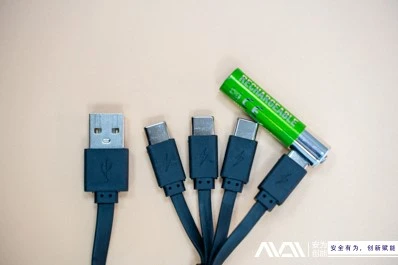
II. Why Is It Not Recommended to Use Rechargeable Lithium Batteries While Charging?
1,Thermal Management Challenges:
Both charging and discharging processes generate heat in the battery. Using the battery while it is charging exacerbates the thermal load, causing the battery temperature to rise rapidly. If the cooling system cannot expel the heat in a timely manner, the battery's internal temperature may reach a critical point, triggering safety issues.
2,Battery Performance Degradation:
Simultaneous charging and discharging cause imbalances in the battery's internal electrochemical reactions, affecting the battery's cycle life and performance. Long-term use while charging accelerates the battery's aging process, shortening its lifespan.
3,Safety Hazards:
Although modern lithium batteries are equipped with multiple safety protection mechanisms, such as overheat protection, overcharge protection, and short-circuit protection, in extreme cases, using the battery while charging may still trigger these mechanisms, leading to battery failure or danger.
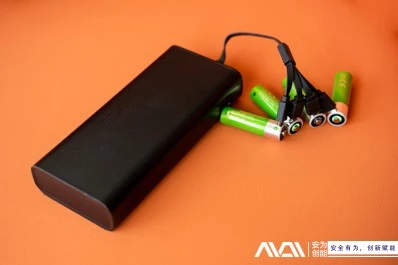
III. How AVEnergy Ensures the Safe Use of Lithium Batteries?
As a professional lithium battery manufacturer,AVEnergy understands the importance of safe use. Therefore, the factory takes strict safety measures in product design, production, testing, and other aspects to ensure the safety and reliability of the batteries.
1,Advanced Battery Management System (BMS):
AVEnergy's lithium batteries are equipped with an advanced BMS that can monitor key parameters such as battery voltage, current, and temperature in real-time. Once abnormalities are detected, the BMS will immediately take measures, such as cutting off the power supply or reducing the charging current, to prevent safety issues.
2,Multiple Safety Protection Mechanisms:
In addition to the BMS, AVEnergy's lithium batteries are also equipped with multiple safety protection mechanisms such as overheat protection, overcharge protection, and short-circuit protection. These mechanisms provide additional safety guarantees when the battery faces potential dangers.
3,Strict Quality Control:
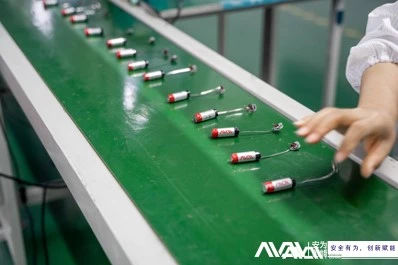
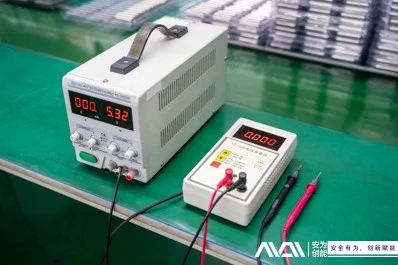
AVEnergy implements strict standards for raw material selection, production process control, and finished product testing. Each battery undergoes multiple inspections and tests to ensure it meets industry standards and customer requirements.
4,Professional Technical Support and After-Sales Service:
AVEnergy has a professional technical support team that can provide customers with comprehensive technical support and after-sales service. Whether it's product consultation, purchasing advice, or after-sales repair and technical support, AVEnergy can provide timely and professional responses to customers.
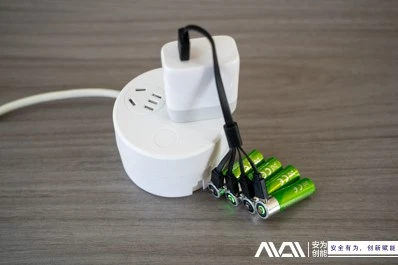
IV. Overheat/Overcharge/Short-Circuit Alert Functions of AVEnergy's Lithium Batteries
To ensure the safe use of batteries, AVEnergy's lithium batteries are equipped with overheat, overcharge, and short-circuit alert functions. These functions are realized through built-in sensors and circuits, capable of monitoring the battery's status in real-time. Once the battery reaches critical conditions, such as excessive temperature, excessive charging current, or short-circuit, the system will immediately issue a warning signal to remind users and take corresponding measures.
1,Overheat Alert:
When the battery temperature exceeds the set threshold, the overheat alert function will activate. The system will emit a sound or light signal to remind users that the battery temperature is too high and that it needs to be stopped or cooled.
2,Overcharge Alert:
During charging, if the battery's charge level has reached full but the charger continues to charge, the overcharge alert function will activate. The system will cut off the charging current to prevent the battery from being damaged due to overcharging.
3,Short-Circuit Alert:
If a short-circuit occurs in the battery, the short-circuit alert function will immediately activate. The system will cut off the connection between the battery and the external circuit to prevent the short-circuit current from continuing to flow, thereby avoiding safety issues.
V. Extreme Situation Performance of AVEnergy's Lithium Batteries
Despite being equipped with multiple safety protection mechanisms, AVEnergy's lithium batteries may still face the risk of failure or danger in extreme situations. However, through continuous technological innovation and quality control, AVEnergy has greatly reduced the probability of such risks occurring.
In extreme situations, if the chemical reactions inside the battery become uncontrolled, AVEnergy's lithium batteries will quickly activate safety protection mechanisms. These mechanisms include cutting off the power supply, releasing internal pressure, isolating hazardous areas, etc. Through these measures, the battery can control the danger within the smallest range in the shortest time.
It is worth noting that in extreme situations, even if AVEnergy's lithium batteries fail, they will only smoke and not explode. This is because the factory has taken special safety measures during battery design and production, such as using high-temperature-resistant materials and optimizing the battery's internal structure. These measures enable the battery to quickly release internal energy when facing danger without causing violent explosive reactions.
VI. Conclusion and Outlook
In summary, there are significant safety risks associated with using rechargeable lithium batteries while they are charging. Therefore, to ensure user safety and battery performance, we strongly recommend that users do not use lithium batteries while they are charging. As a professional lithium battery manufacturer, AVEnergy ensures the safety and reliability of its batteries through advanced technological innovation and stringent quality control. In the future, we will continue to focus on improving the performance and safety of lithium batteries, providing users with even better and safer energy solutions. At the same time, we also urge users to adhere to safe use principles when using lithium batteries and jointly maintain a safe and harmonious social environment.