
In the tide of the new energy revolution, hydrogen fuel cells and lithium batteries, as two core power technologies, are reshaping the energy landscape through distinct technological pathways. Hydrogen fuel cells achieve zero-emission energy conversion through electrochemical reactions in proton exchange membranes, while lithium batteries rely on the intercalation and deintercalation of lithium ions between positive and negative electrodes for energy storage. Behind this technological contest lies multi-dimensional differentiated competition in terms of energy density, conversion efficiency, infrastructure, cost-effectiveness, and more. The compatibility of their technological characteristics with application scenarios determines their complementary and symbiotic relationship in the era of carbon neutrality.
I. Fundamental Differences in Technological Principles and Performance Parameters
Proton exchange membrane fuel cells (PEMFCs), the type of hydrogen fuel cells, generate electricity through hydrogen-oxygen chemical reactions. Their core advantages lie in energy density and low-temperature adaptability. Take the Toyota Mirai fuel cell vehicle as an example; its system energy density reaches 33.6 kWh/kg, 168 times that of lithium batteries. A single hydrogen refueling in three minutes enables an 800-kilometer driving range. This characteristic makes it highly suitable for applications like the 4.4 MW traction force of Canadian Pacific Railway's (CPKC) hydrogen locomotive, where energy consumption costs are 42% lower than those of diesel, and performance retention exceeds 95% even in extremely cold environments (-30°C).
On the other hand, lithium batteries achieve charge and discharge through the migration of lithium ions between positive and negative electrodes. Contemporary Amperex Technology Co., Limited (CATL)'s research and development of solid-state battery technology have elevated energy density to 500 Wh/kg. However, constrained by the chemical properties of lithium ions, their low-temperature performance (capacity decay of 40% at -10°C) and energy density still fall short of hydrogen fuel cells.
In terms of conversion efficiency, lithium batteries, as direct energy storage devices, boast an energy conversion efficiency as high as 90%. In contrast, hydrogen fuel cells undergo a secondary conversion process of "electricity-hydrogen-electricity," resulting in a full-chain efficiency of only 35%–45%. This efficiency discrepancy is particularly evident in the passenger vehicle sector. Tesla's V4 Supercharger can achieve a recharging speed of "200 kilometers in 5 minutes," while the Hyundai Nexo hydrogen fuel cell vehicle, despite a 3-minute hydrogen refueling enabling an 800-kilometer range, only achieves one-third of the mileage per kWh compared to lithium batteries. These technological characteristics dictate that hydrogen fuel cells are more suitable for heavy-duty transportation and stationary energy storage scenarios, while lithium batteries dominate short-distance travel and portable device applications.
II. Structural Contradictions in Infrastructure and Cost-Effectiveness
The global number of charging piles has surpassed 18 million, with China accounting for 6.6 million units. In contrast, the number of hydrogen refueling stations stands at less than 400. This significant gap in infrastructure directly leads to the limited market penetration of hydrogen fuel cell vehicles, which remains below 1% despite the ability to achieve 180-day cross-seasonal energy storage with an 8% loss rate in projects like the Zhangjiakou wind power-to-hydrogen initiative. This limitation is due to the sparse hydrogen refueling network.
In contrast, lithium batteries have witnessed a decline in the price of lithium iron phosphate battery packs to 0.5 yuan/Wh. BYD's blade battery technology, through structural innovation, has increased volume utilization by 50%, enabling electric vehicles priced at 200,000 yuan to achieve a driving range exceeding 700 kilometers.
The cost contradiction also manifests in resource autonomy. China's lithium resource dependence on imports exceeds 70%, while its hydrogen energy resource autonomy rate reaches 98%. This resource endowment difference gives hydrogen fuel cells a natural advantage in cross-regional transportation, as demonstrated in the construction of hydrogen refueling stations accompanying the "West Hydrogen to East" pipeline. Although the cost of Toyota Mirai's fuel cell system has dropped from 50,000 US dollars to 18,000 US dollars, indicating the initial emergence of economies of scale, the current cost of green hydrogen production (35 yuan/kg) remains 2.3 times that of diesel, constraining its large-scale commercialization.
III. Dual Considerations of Safety Risks and Environmental Characteristics
The safety risks of hydrogen fuel cells primarily center around hydrogen storage and transportation. Despite the proton exchange membrane's ability to prevent direct electron transfer, the highly flammable and explosive nature of hydrogen still necessitates special protective measures. Canadian hydrogen locomotives adopt double-layer hydrogen storage tanks and pressure sensors to control the leakage probability below one in a million.
In contrast, the safety hazards of lithium batteries mainly stem from thermal runaway. CATL's "non-combustible" battery technology, through electrolyte additives and separator coatings, has elevated the thermal runaway trigger temperature to 180°C.
Regarding environmental characteristics, hydrogen fuel cells can achieve zero-emission throughout their lifecycle if renewable energy is used for hydrogen production. The Zhangjiakou wind power-to-hydrogen project reduces carbon dioxide emissions by 120,000 tons annually. However, gray hydrogen (produced from fossil fuels) has a carbon emission intensity exceeding that of gasoline. Lithium battery production generates 15 tons of carbon emissions per ton of lithium carbonate, and the mining of heavy metals like cobalt and nickel poses environmental risks. Nevertheless, Baosteel's hydrogen-based shaft furnace ironmaking technology reduces carbon emissions per ton of steel by 50% through hydrogen reduction of iron ore, showcasing the unique value of hydrogen fuel cells in industrial decarbonization.
IV. Refined Division of Labor and Collaborative Innovation in Application Scenarios
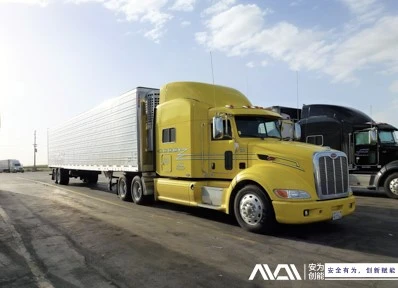
In the passenger vehicle sector, lithium batteries dominate with a 90% market share due to the maturity of charging networks. Tesla Model 3 reduces energy consumption per 100 kilometers to 12.5 kWh through 4680 batteries and cell-to-chassis (CTC) technology. In contrast, hydrogen fuel cells have made breakthroughs in heavy-duty transportation. China's planned "hydrogen energy corridor" will cover regions like the Beijing-Tianjin-Hebei area and the Yangtze River Delta, reducing cross-provincial transportation costs for hydrogen-powered heavy trucks by 30% compared to diesel.
In the energy storage sector, a trend of technological integration is emerging. CATL's "hydrogen-lithium hybrid storage" system reduces overall costs by 40% by using lithium batteries to regulate instantaneous power and hydrogen fuel cells for long-term energy storage. This collaborative innovation was validated during the Zhangjiakou Winter Olympics, where a 10 MW hydrogen energy storage power station and a lithium battery energy storage station formed a hybrid system, achieving complementary performance with second-level response and daily-level energy storage.
V. Future Prospects Driven by Technological Iteration and Policy
The energy consumption of PEM electrolyzers for hydrogen production has dropped to 4 kWh/Nm³, and the cost of photovoltaic hydrogen production in Ningxia is approaching that of coal-based hydrogen. Toyota and BMW have jointly developed the fourth-generation fuel cell system, reducing platinum catalyst usage by 90% and cutting costs to 1,000 US dollars per kilowatt. In the lithium battery sector, the mass production timeline for solid-state batteries has been advanced to 2027. BYD's Haishi 07 EV, equipped with lithium manganese iron phosphate batteries, has improved low-temperature range retention to 85%.
At the policy level, the European Union mandates a railway decarbonization rate exceeding 50% by 2030, and China has included hydrogen energy in the "New Energy Transportation Promotion Catalog." It is projected that by 2040, hydrogen energy will account for 23% of terminal energy demand, while lithium batteries will cover 45% of the mobile travel market. This dual-track energy strategy enables models like the Hyundai Nexo to achieve a 900-kilometer driving range through a hydrogen-electric dual system, and CATL and Honda have jointly developed a "battery swapping + hydrogen energy" solution to provide flexible energy replenishment for heavy trucks.
Conclusion: The Path of Symbiotic Coexistence in the Energy Revolution
The competition between hydrogen fuel cells and lithium batteries is essentially a refined division of labor in technological scenarios. Lithium batteries, with their advantages in cost, efficiency, and infrastructure, are irreplaceable in short-distance travel and portable device applications. Hydrogen fuel cells, with their potential in energy density, driving range, and industrial decarbonization, represent the future direction for heavy-duty transportation and stationary energy storage. As foreseen in the European Union's "Dual-Track Energy Strategy," there is no single winner in this technological revolution. Only through material innovation, system integration, and policy coordination can the energy transition under the 2060 carbon neutrality goal be realized. The technological practices of CATL's "hydrogen-lithium hybrid storage" system and Toyota's "hydrogen-electric dual system" have already illuminated the dawn of the energy revolution-ushering in a green future characterized by hydrogen-lithium collaboration and diversity.