

The battery's cell, as the most central and crucial part in the battery assembly process, directly and profoundly influences the overall performance, lifespan, and safety of the battery. The quality of the cell not only determines the amount of electrical energy the battery can store and release but also relates to the stability, efficiency, and number of cycles during charging and discharging. Therefore, in the manufacturing and assembly stages of batteries, the selection, testing, and protection of the cell are particularly significant. Any minor defect or improper handling can have irreversible negative impacts on the final performance of the battery.
The cell is the core component of battery technology, and it comes in a rich variety of types. Depending on different classification criteria, cells can be divided into multiple categories.
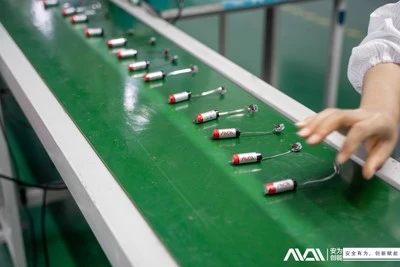
1, Classification by Shape
I.Cylindrical Battery Cell
The battery cell is cylindrical in shape, with common sizes such as 18650, 21700, etc. The numbers represent the diameter and height of the cell in millimeters.
It is widely used in flashlights, laptops, electric vehicles, and other fields.
II.Prismatic Battery Cell
The battery cell is prismatic in shape, and its size can be customized according to requirements.
Prismatic battery cells have a wide range of applications in electric vehicles, energy storage systems, and other fields due to their regular shape, which facilitates easy combination and installation.
2,Classification by Chemical Composition
I.Lithium-ion Battery Cell
The cathode material varies, including lithium cobalt oxide, lithium manganate, lithium iron phosphate, ternary lithium, etc.
It boasts high energy density, long cycle life, no memory effect, and low self-discharge.
It is widely used in various fields such as mobile phones, laptops, electric vehicles, and more.
II.Nickel-Metal Hydride Battery Cell
It uses nickel hydroxide as the cathode material and metal hydride as the anode material.
It features high energy density, good charging and discharging performance, and environmental friendliness.
It is commonly used in hybrid electric vehicles, electric bicycles, and other transportation means.
III.Lead-Acid Battery Cell
The cathode is lead dioxide, the anode is spongy lead, and the electrolyte is sulfuric acid solution.
It is characterized by mature technology, low cost, and good safety, but it is heavy and has low energy density.
It is mainly used in automotive starting, standby power supplies, and other fields.
3,Classification by Electrolyte
I.Liquid Battery Cell
It uses liquid electrolytes, such as the liquid electrolyte in lithium-ion batteries.
It is widely used in various electronic devices, but thermal stability issues limit the enhancement of its performance.
II.Solid-State Battery Cell
The electrolyte completely replaces the traditional liquid or gel electrolyte.
It offers higher energy density, better safety, and a longer lifespan.
Currently, solid-state battery cell technology is still in the research and development stage, but it has received widespread attention and is expected to be widely used in electric vehicles, energy storage systems, and other fields in the future.
4,Classification by Application
I.Consumer Battery Cell
Primarily used in portable electronic devices such as mobile phones and tablets.
They prioritize high energy density, rapid charging and discharging capabilities, and lightweight design.
II.Industrial and Energy Storage Battery Cell
Used in large-scale energy storage systems, electric tools, uninterruptible power supplies (UPS), and other fields.
They emphasize cycle life, safety, and long-term stability.
III.Electric Vehicle Battery Cell
Specifically designed for electric vehicles, hybrid electric vehicles, and other transportation means.
They exhibit extremely high energy density, long cycle life, and excellent low-temperature performance.
As the core component of rechargeable batteries, AVEnergy adopts advanced pouch cell technology. This type of battery cell, with its unique packaging form and excellent performance, has occupied an important position in the rechargeable battery market. Specifically, the pouch cells selected by AVEnergy use high-performance lithium nickel cobalt manganese oxide (NCM) battery cells as their internal material.
NCM battery cells, also known as nickel-cobalt-manganese lithium battery cells, are a type of lithium-ion battery named for the nickel, cobalt, and manganese elements in their cathode material. These cells are characterized by high energy density, long cycle life, good low-temperature performance, and a high discharge platform voltage. Compared to other types of battery cells, NCM battery cells offer smaller size and lighter weight while providing the same energy, making them ideal for electronic devices that require high energy density and portability.
The pouch cells used by AVEnergy not only inherit the above-mentioned advantages of NCM battery cells but also further enhance the safety and reliability of the cells through unique packaging processes. The outer shell of the pouch cells is made of aluminum-plastic film material, which has good flexibility and sealing properties, effectively preventing leakage of internal substances and intrusion of external moisture, thereby extending the service life of the cells.
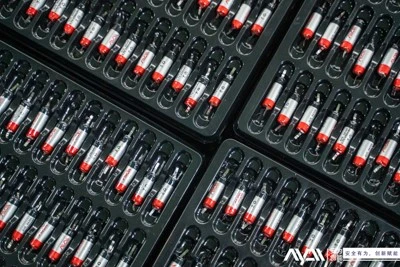
Furthermore, the shape and size of the pouch cells can be customized according to actual needs, enabling AVEnergy to provide customers with more flexible and personalized battery solutions. Whether for portable electronic devices such as smartphones and tablets or for large-scale applications such as electric vehicles and energy storage systems, AVEnergy can offer pouch cell products that meet their needs.
Indeed, the benefits of pouch cells are numerous, with safety being one of their most prominent features.
First, pouch cells perform particularly well in extreme environments. Through a series of rigorous experimental tests such as needle puncture and compression, pouch cells have demonstrated extremely high safety. Even when subjected to these extreme conditions, they will not explode but only produce a small amount of smoke. This stable performance gives pouch cells a significant advantage in safety compared to other types of battery cells.
Additionally, our factory strictly controls every step in the production process of pouch cells, from cell manufacturing to battery assembly, all completed autonomously. This full control from source to end not only ensures a smooth and efficient production process but also provides a solid guarantee for the quality of our products.
It is worth mentioning that the pouch cells designed and manufactured by our factory excel in quality. We have an experienced and skilled research and development team dedicated to continuously optimizing the structural design, material selection, and production processes of the cells to ensure that each cell meets or exceeds the highest industry standards. This persistent pursuit of quality has earned our pouch cells wide recognition and praise in the market.