

1. Reducing Environmental Pollution
Compared to traditional lead-acid and nickel-cadmium batteries, rechargeable lithium-ion batteries offer a multitude of significant environmental advantages that make them a superior choice for contemporary energy storage needs. Firstly, lithium-ion batteries boast a critical environmental edge by not containing heavy metals such as lead and cadmium, which are notorious for their detrimental effects on soil and water bodies when discarded batteries are improperly managed. When lead-acid batteries, which are commonly used in automotive and industrial applications, are carelessly disposed of, harmful substances like lead can seep into the environment, contaminating soil and water resources and posing severe threats to ecosystems and human health through bioaccumulation and ingestion. In stark contrast, lithium-ion batteries do not present this perilous issue, as their internal materials are predominantly composed of relatively harmless or low-toxicity substances, resulting in substantially less environmental pollution and a reduced risk of contamination.
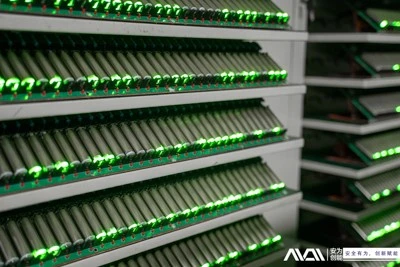
Furthermore, lithium-ion batteries exhibit another notable environmental benefit by not producing harmful gas emissions, such as sulfur dioxide and nitrogen oxides, during the power supply and energy consumption processes. This is a significant advantage compared to lead-acid and nickel-cadmium batteries, which may emit gases that contribute to air pollution and greenhouse gas emissions. The clean operation of lithium-ion batteries helps reduce air pollution and greenhouse gas emissions, thereby fostering a healthier and more sustainable environment.
2. Promoting Resource Recycling
Another significant environmental advantage of rechargeable lithium-ion batteries lies in their high recyclability, which sets them apart from other types of batteries. With advancements in technology and the continuous improvement of recycling systems, discarded lithium-ion batteries can now undergo professional recycling processes that effectively achieve material reuse. This recycling process involves a series of sophisticated steps, including battery disassembly, separation of components, and extraction of valuable materials such as cobalt, nickel, and lithium. By recycling these materials, we not only reduce the demand for newly mined raw materials, thereby lowering overall resource consumption and minimizing environmental impact associated with mining activities, but also prevent harmful substances from entering the environment and causing pollution. This positive impact on ecological protection is substantial and long-lasting.
Currently, many countries and regions have taken proactive steps to establish comprehensive lithium-ion battery recycling and disposal systems. These systems aim to create a circular economy for lithium-ion batteries, ensuring that valuable materials are efficiently recycled and reused. Governments have implemented a range of policies and incentives to encourage enterprises and consumers to actively participate in battery recycling activities. For instance, some countries offer financial subsidies or tax benefits to companies that invest in recycling technology and infrastructure. Additionally, market mechanisms such as deposit-refund schemes and recycling credits have been introduced to incentivize consumers to return their used batteries for recycling.
Thanks to these efforts, the recycling rate of lithium-ion batteries has been significantly improved, contributing to further promoting resource conservation and sustainable environmental development. By recycling lithium-ion batteries, we are not only conserving precious natural resources but also reducing the environmental footprint of battery production and disposal. This circular economy approach aligns with global efforts to achieve sustainability goals and promote a greener, more sustainable future.

3. Supporting Renewable Energy Development
Renewable energy sources, such as wind and solar power, are indeed clean and renewable, serving as pivotal pathways for achieving a low-carbon economy and effectively addressing the pressing issue of climate change. These natural resources harness the inexhaustible power of nature to generate electricity without emitting harmful greenhouse gases, thereby contributing to the reduction of carbon emissions and mitigating the adverse effects of climate change. However, the intermittency and instability inherent in renewable energy pose significant challenges to its large-scale application and integration into the existing energy grid. Wind power, for example, fluctuates with changes in wind speed and direction, while solar power generation is dependent on sunlight availability, which varies with the time of day, season, and weather conditions.
To overcome these challenges, rechargeable lithium-ion batteries have emerged as highly efficient energy storage devices that provide robust support for the grid connection and peak shaving of renewable energy. Lithium-ion batteries possess high energy density, long cycle life, and fast charging and discharging capabilities, making them ideal for storing excess energy generated by renewable sources during periods of high production and releasing it back into the grid when generation is insufficient.
Through energy storage systems that incorporate lithium-ion batteries, electricity can be stored during times of peak renewable energy production, such as during windy days or sunny afternoons, and then released when production drops, ensuring a stable and reliable power supply to the grid. This not only significantly improves the utilization rate of renewable energy by reducing the amount of wasted energy, but also helps to balance out fluctuations in energy supply and demand, thereby enhancing the overall stability and reliability of the power grid.
Furthermore, the integration of lithium-ion batteries into renewable energy systems reduces dependence on traditional fossil fuels, such as coal, oil, and natural gas, which are major contributors to greenhouse gas emissions and air pollution. By promoting the use of renewable energy and reducing reliance on fossil fuels, lithium-ion batteries contribute to the optimization and upgrading of the energy structure, moving us closer to a more sustainable and environmentally friendly energy future.
4. Driving the Development of Green Transportation
With the acceleration of urbanization and the improvement of people's living standards, energy consumption and emission issues in the transportation sector have become increasingly prominent. Electric vehicles, as representatives of green transportation, have become an important direction for future transportation development due to their zero emissions, low noise, and high energy efficiency. Rechargeable lithium-ion batteries, as the core components of electric vehicles, have provided strong support for the popularization and development of electric vehicles through continuous performance improvements and cost reductions.
By adopting lithium-ion batteries as power sources, electric vehicles not only achieve zero emissions but also significantly reduce noise pollution and energy consumption. With the continuous improvement of charging infrastructure and advancements in electric vehicle technology, electric vehicles will gradually replace traditional fuel vehicles, becoming the mainstream choice for urban transportation.
5. Conclusion
In summary, rechargeable lithium-ion batteries have profound significance in the field of environmental protection. They not only reduce environmental pollution and promote resource recycling but also support the development of renewable energy and the popularization of green transportation. With continuous technological advancements and market expansion, lithium-ion batteries will play an increasingly important role in the future energy system. However, we should also recognize that the environmental performance of lithium-ion batteries is not absolute, as it is influenced by multiple factors throughout their lifecycle, including raw material sourcing, manufacturing methods, and recycling processes. Therefore, while promoting the development of the lithium-ion battery industry, we should also strengthen the formulation and enforcement of environmental regulations, improve recycling systems, and promote the green and sustainable development of the lithium-ion battery industry.