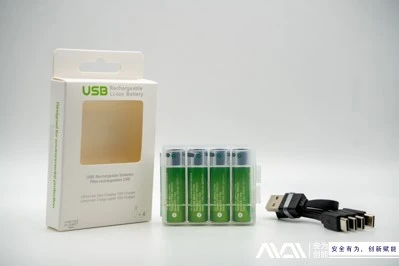
With the popularity of electronic devices, batteries, as the core component of energy supply, have attracted significant attention in technological development. Traditional dry batteries are gradually being phased out due to their single-use nature and environmental pollution issues, while USB-rechargeable lithium batteries have become an ideal alternative, thanks to their reusability, eco-friendliness, and high energy density.
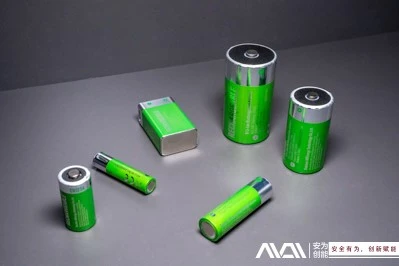
Environmental and Economic Benefits
Dry batteries contain heavy metals (e.g., mercury, cadmium), which can cause soil and water pollution when discarded. In contrast, lithium batteries can be recharged hundreds of times, reducing waste generation and lowering long-term costs. For example, an AA lithium battery can last for over 500 charge cycles, equivalent to the usage of 500 dry batteries.
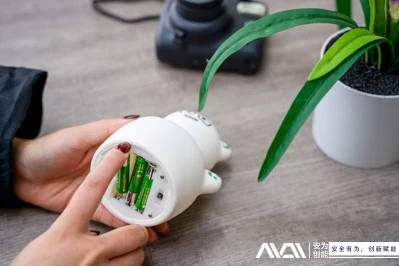
Performance Comparison
Voltage Stability: Lithium batteries maintain a stable discharge curve, ensuring consistent device performance, whereas dry batteries experience significant voltage drops as they deplete.
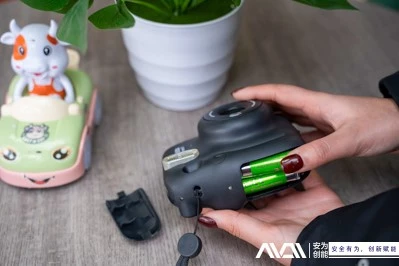
Capacity and Endurance: In the same volume, lithium batteries typically offer 2-3 times the capacity of alkaline dry batteries, making them ideal for high-power devices like wireless mice and cameras.
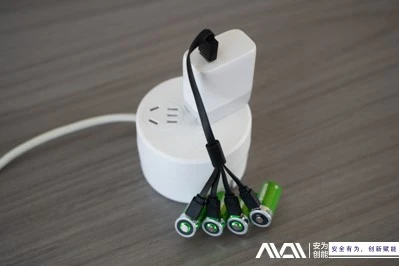
Convenience
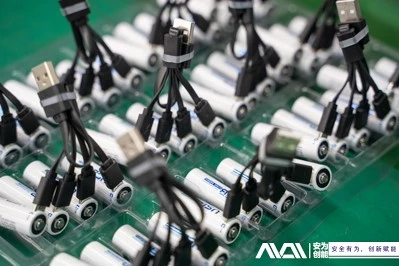
USB-rechargeable lithium batteries can be charged via computers, power banks, or phone adapters, eliminating the need to frequently purchase dry batteries. Some models even feature Type-C ports, supporting fast-charging technology.

Expanding Applications
From smart home devices to outdoor equipment, the lightweight design (e.g., 18650 models) and wide-temperature adaptability (-20°C to 60°C) of lithium batteries make them suitable for replacing dry batteries in diverse fields, particularly in emergency power supplies and solar energy storage systems.
Market Trends
The global lithium battery market is projected to exceed $100 billion by 2025, with consumer electronics accounting for over 40%. Policy initiatives (e.g., the EU's single-use battery ban) are further accelerating this shift.
User Considerations
While lithium batteries offer clear advantages, they require protection against overcharging or deep discharge. Additionally, their initial purchase cost is higher. It is advisable to choose branded products with built-in protection circuits to balance safety and cost-effectiveness.