I. Introduction
With the rapid development of the new energy industry, lithium batteries have found widespread applications in electric vehicles, drones, mobile power sources, energy storage systems, and other fields due to their high energy density, long cycle life, and lack of memory effect. However, lithium batteries are highly sensitive to abnormal operating conditions such as overcharging, over-discharging, overcurrent, short circuits, and high temperatures, which can lead to performance degradation, safety risks, and even explosion or fire. Therefore, the lithium battery protection board, as a core component of the lithium battery management system, is of paramount importance.
II. Overview of Lithium Battery Protection Board
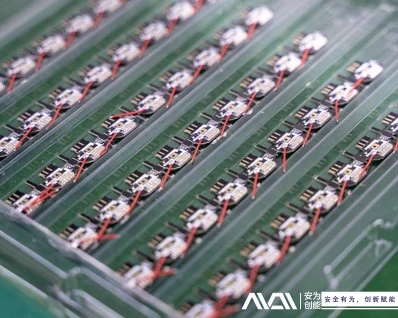
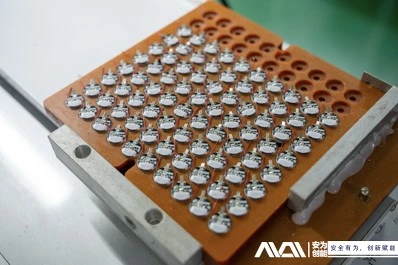
The lithium battery protection board is a core component of the intelligent management system for lithium-ion batteries, primarily consisting of control ICs, switching transistors (MOSFETs), micro-capacitors, and micro-resistors. It continuously monitors parameters such as battery voltage, current, and temperature, comparing them with preset protection thresholds to control the battery's charge and discharge processes, thereby preventing damage to the battery due to abnormal operating conditions. The functions of the lithium battery protection board include overcharge protection, over-discharge protection, over-temperature protection, overcurrent protection, and short-circuit protection, making it crucial for ensuring the safe use and extended lifespan of lithium batteries.
III. Main Functions of Lithium Battery Protection Board
(1) Overcharge Protection
When a lithium battery is charged to a preset voltage, the protection board automatically cuts off the charging circuit to prevent overcharging. Overcharging can cause increased internal pressure in the battery, decomposition of the electrolyte, and structural damage to the positive electrode material, leading to performance degradation, thermal runaway, or even explosion. The protection board continuously monitors the battery voltage and, upon detecting a voltage exceeding the preset threshold, controls the switching transistor to disconnect and stop charging, thereby avoiding overcharge risks.
(2) Over-discharge Protection
When a lithium battery is discharged to a preset voltage, the protection board automatically cuts off the discharge circuit to prevent over-discharging. Over-discharging can cause dissolution of the copper current collector on the negative electrode and detachment of the active material on the positive electrode, resulting in reduced battery capacity, increased internal resistance, and even irreversible damage. The protection board monitors the battery voltage and, upon detecting a voltage below the preset threshold, controls the switching transistor to disconnect and stop discharging, protecting the battery from harm.
(3) Over-temperature Protection
Lithium batteries are susceptible to damage in high or low temperature environments. High temperatures can accelerate battery aging and trigger thermal runaway, while low temperatures can reduce battery activity and affect charge/discharge efficiency. The protection board uses temperature sensors to continuously monitor the battery temperature and takes appropriate measures, such as cutting off the battery connection or reducing current output, to ensure the battery operates within a safe temperature range.
(4) Overcurrent Protection
When the charge or discharge current of a battery becomes too large, the protection board automatically cuts off the charge or discharge circuit to prevent damage to the battery due to excessive current. Overcurrent can cause internal heating in the battery, decomposition of the electrolyte, and destruction of the electrode material, potentially leading to short circuits. The protection board detects the battery current and, upon detecting a current exceeding the preset threshold, controls the switching transistor to disconnect and limit current output, protecting the battery from harm.
(5) Short-circuit Protection
When a lithium battery experiences a short circuit, the protection board rapidly cuts off the battery output to prevent excessive current from causing thermal runaway, fire, or explosion within the battery. Short-circuit protection is a critical function of the lithium battery protection board and is essential for ensuring battery safety
(6) Balanced Charging and Discharging
Lithium battery packs consist of multiple individual batteries, each of which may have different characteristics. The protection board can control the charge and discharge of each individual battery to ensure that parameters such as voltage and capacity are balanced among the batteries, improving the lifespan and performance of the entire battery pack. Balanced charging and discharging functions achieve battery pack balance by actively or passively discharging higher-voltage batteries and charging lower-voltage batteries.
IV. Working Principle of Lithium Battery Protection Board
The working principle of the lithium battery protection board can be briefly described as follows: By connecting between the positive and negative terminals of a lithium battery, it continuously monitors parameters such as battery voltage, current, and temperature; compares the detection results with preset protection thresholds; and controls the corresponding switching states to achieve battery protection functions. Specifically, the internal control circuit of the protection board controls the on/off state of the MOSFETs based on changes in voltage, current, and temperature parameters, thereby cutting off or connecting the battery's charge and discharge circuits.

V. Application Scenarios of Lithium Battery Protection Board
With the rapid development of new energy electric vehicles, drones, mobile power sources, and other fields, the application scenarios of lithium battery protection boards are becoming increasingly widespread. In these fields, lithium battery protection boards play a crucial role in ensuring the safe operation of equipment and the safety of users' lives and property. For example, in electric vehicles, lithium battery protection boards can prevent abnormal operating conditions such as overcharging, over-discharging, overcurrent, and short circuits, ensuring the safe driving of electric vehicles; in drones, they can protect batteries from environmental factors such as high and low temperatures, extending the flight time of drones; and in mobile power sources, they can prevent batteries from being damaged due to overcharging or over-discharging, improving the lifespan and safety of mobile power sources.
VI. Important Technical Parameters of Lithium Battery Protection Board
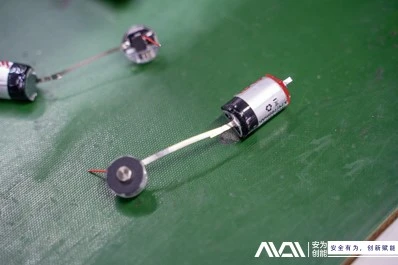
Important technical parameters of lithium battery protection boards include overcharge protection, over-discharge protection, overcurrent protection, short-circuit protection, over-temperature protection, internal resistance, and power consumption. The selection of these parameters affects the working effectiveness and safety of lithium battery protection boards, so they should be chosen and configured based on specific requirements in practical applications. For example, the thresholds for overcharge and over-discharge protection should be reasonably set based on factors such as battery type, capacity, and usage environment; the thresholds for overcurrent and short-circuit protection should be determined based on the maximum charge/discharge current and load characteristics of the battery; and the threshold for over-temperature protection should be set based on the battery's operating temperature range.
VII. Future Development Trends of Lithium Battery Protection Board
With the rapid development of the new energy market and continuous innovation in related technologies, lithium battery protection boards are developing towards high integration, multifunctionality, intelligence, enhanced safety performance, and the adoption of environmentally friendly materials.
(1) High Integration
Future lithium battery protection boards will move towards high integration to achieve smaller size and lighter weight, meeting the needs of various portable devices. Highly integrated protection boards can reduce the number of components, lower power consumption, improve reliability, and facilitate installation and maintenance.
(2) Multifunctionality
In addition to basic overcharge, over-discharge, overcurrent, and over-temperature protection, future lithium battery protection boards will integrate more functions such as battery level estimation and balanced charging. Battery level estimation functions can continuously monitor the remaining battery capacity and provide users with accurate battery level information; balanced charging functions can further improve the balance and lifespan of battery packs.
(3) Intelligence
With the development of technologies such as the Internet of Things and cloud computing, future lithium battery protection boards will become more intelligent. By connecting with smart devices, protection boards can continuously monitor battery status and environmental conditions, providing users with a more convenient and safe battery usage experience. Additionally, through big data analysis and artificial intelligence technologies, protection boards can achieve intelligent battery management and extend battery lifespan.
(4) Enhanced Safety Performance
As the application range of lithium batteries expands, the requirements for their safety performance are also increasing. Future lithium battery protection boards will place greater emphasis on enhancing safety performance by adopting more advanced detection and control technologies to ensure safe battery usage. For example, using more precise voltage, current, and temperature sensors to improve the detection accuracy and response speed of protection boards; and adopting more reliable switching transistors and protection circuits to improve the reliability and stability of protection boards.
(5) Adoption of Environmentally Friendly Materials
With the increase in environmental awareness, future lithium battery protection boards will place greater emphasis on the adoption of environmentally friendly materials. Protection boards made from environmentally friendly materials are not only friendly to the environment but can also reduce production costs and promote the sustainable development of the lithium battery industry.
VIII. Conclusion
In summary, lithium battery protection boards play a crucial role in ensuring the safe use and extended lifespan of lithium batteries. With the rapid development of the new energy market and continuous innovation in related technologies, the application prospects of lithium battery protection boards are very broad. In the future, we look forward to seeing more efficient, safe, and intelligent lithium battery protection boards emerge, injecting new vitality into the development of the new energy industry. At the same time, we should also pay attention to environmental issues and promote the development of the lithium battery protection board industry towards a more environmentally friendly direction.