
How often should batteries be replaced?
Common battery types and their working principles
Lead - acid batteries
Lead - acid batteries are one of the most widely used battery types, especially in fields like automobiles and communication base stations. Their working principle is based on the chemical reaction between sulfuric acid and lead. During discharge, the positive electrode's lead dioxide reacts with sulfuric acid to form lead sulfate and water, while the negative electrode's lead also reacts with sulfuric acid to form lead sulfate. In this process, electrons flow from the negative electrode to the positive electrode, generating current to power devices. During charging, with the help of an external power source, the above - mentioned reactions occur in reverse, and lead sulfate decomposes back into lead dioxide, lead, and sulfuric acid, thus realizing battery recharging. Lead - acid batteries have advantages such as low cost, mature technology, and good high - current discharge performance. However, they also have disadvantages like low energy density, relatively short lifespan, and cumbersome maintenance.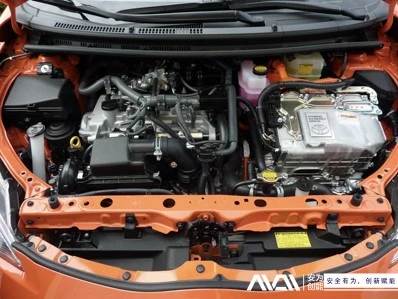
Nickel - metal hydride batteries
Nickel - metal hydride batteries use nickel hydroxide as the positive electrode, hydrogen storage alloy as the negative electrode, and potassium hydroxide aqueous solution as the electrolyte. During the charge - discharge process, hydrogen ions move between the positive and negative electrodes to achieve energy storage and release. When charging, hydrogen ions are released from the positive electrode and combine with the hydrogen storage alloy at the negative electrode. During discharge, hydrogen ions are released from the negative electrode and react with nickel hydroxide at the positive electrode. Nickel - metal hydride batteries have advantages such as high energy density, good charge - discharge cycle performance, and relative environmental friendliness. They are commonly used in some small electronic devices and early hybrid vehicles. However, they have a relatively high self - discharge rate and are relatively expensive.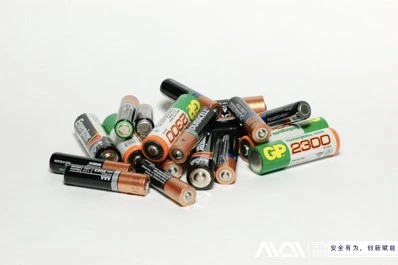
Lithium - ion batteries
Lithium - ion batteries have developed rapidly in recent years and are increasingly widely used, covering fields from smartphones and laptops to electric vehicles. Their working principle is based on the insertion and extraction of lithium ions between the positive and negative electrodes. When charging, lithium ions are extracted from the positive electrode and inserted into the negative electrode through the electrolyte. During discharge, lithium ions are extracted from the negative electrode and return to the positive electrode. Lithium - ion batteries have many advantages such as high energy density, long cycle life, low self - discharge rate, and no memory effect, making them the preferred power source for modern electronic devices and new - energy vehicles. However, their production process is complex, the cost is relatively high, and they are sensitive to environmental conditions such as temperature during use.
Factors affecting battery replacement cycle
Usage environment
Temperature: Temperature has a significant impact on battery performance and lifespan. Taking lead - acid batteries as an example, in a high - temperature environment, the internal chemical reaction speed of the battery accelerates, and the evaporation and water loss of the electrolyte intensify, leading to faster sulfation of the battery plates and accelerated capacity decay, thus shortening the battery's lifespan. Generally, when the ambient temperature exceeds 35°C, the lifespan of lead - acid batteries will be significantly shortened. Conversely, in a low - temperature environment, the viscosity of the battery's electrolyte increases, and the ion diffusion speed slows down, resulting in increased battery internal resistance and reduced charge - discharge performance. For example, at a low temperature of -20°C, the actual capacity of a lead - acid battery may only be about 60% of that at room temperature. Lithium - ion batteries are also sensitive to temperature. High temperatures accelerate the side reactions inside the battery, leading to capacity decay and shortened lifespan, while low temperatures affect the migration speed of lithium ions between the positive and negative electrodes, reducing the battery's charge - discharge efficiency and available capacity.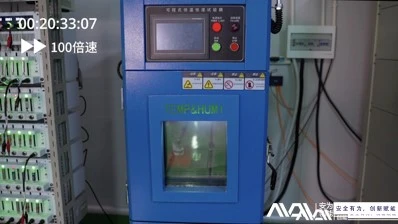
Humidity: High - humidity environments mainly harm batteries by potentially causing corrosion of the battery casing and electrodes. For lead - acid batteries, a humid environment can easily cause rust on the metal parts of the battery casing, affecting the battery's sealing performance and leading to electrolyte leakage, which in turn corrodes surrounding equipment. At the same time, the electrodes are also prone to oxidation reactions in a humid environment, reducing battery performance. Although nickel - metal hydride batteries and lithium - ion batteries are relatively less sensitive to humidity, long - term exposure to a high - humidity environment may also have a certain impact on the battery's internal structure and performance, such as causing performance degradation of the electrode materials and thus affecting the battery's lifespan.
Charge - discharge frequency
Deep discharge: Deep discharge refers to the process of almost completely depleting the battery's power. Different types of batteries have varying tolerance levels for deep discharge. Lead - acid batteries, if frequently subjected to deep discharge, will accelerate the shedding of active substances on the plates, leading to permanent capacity decline. It is generally recommended that the discharge depth of lead - acid batteries should not exceed 80%. If they are often deeply discharged to 100%, their cycle life may be reduced by more than half. Lithium - ion batteries should also avoid deep discharge as much as possible, as excessive deep discharge can cause irreversible changes in the structure of the lithium ions embedded in the negative electrode material, leading to capacity decay. For nickel - metal hydride batteries, deep discharge also has an adverse effect on their lifespan because during deep discharge, the internal chemical reactions of the battery become more intense, potentially damaging the electrode materials.
Number of charges: The number of charges is another important factor affecting battery lifespan. With the increase in the number of charges, the electrode materials inside the battery gradually age and their structures change, leading to a gradual decline in battery performance. For example, the cycle life of ordinary lead - acid batteries is generally around 300 - 500 times, which means that after 300 - 500 complete charge - discharge cycles, their capacity may drop below 80% of the initial capacity, and it is time to consider replacing the battery. The cycle life of lithium - ion batteries is relatively longer, generally around 1000 - 3000 times, but there are significant differences among different brands and models. The cycle life of nickel - metal hydride batteries is usually between 500 - 1000 times. It should be noted that the cycle count here is not simply the number of charges but refers to a complete process from full charge to complete discharge and then back to full charge. If only a part of the battery's power is used each time before charging, the actual number of charges will be much higher than the cycle count.
Load conditions
Overload operation: When the load connected to the battery exceeds its rated output power, overload operation occurs. In an overload state, the battery needs to output a larger current, which leads to increased internal heating of the battery, accelerating battery aging and damage. For example, when starting a car, if multiple high - power electrical devices such as headlights, radios, and air conditioners are turned on at the same time, the car battery may be in an overload state. Long - term overload operation will significantly shorten the lifespan of the car battery, which may originally last 3 - 5 years but may need to be replaced in 1 - 2 years under overload conditions. For UPS systems, if the connected load exceeds its rated capacity, it will also damage the battery and affect its lifespan.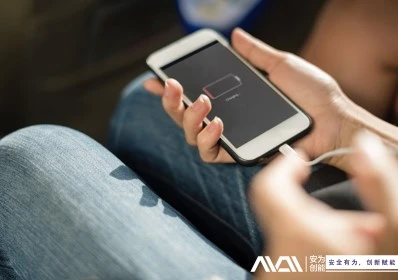
Frequent starts: Frequent starting of devices also has an adverse effect on batteries. Taking a car as an example, each time the engine is started, the battery needs to provide a strong current in a short time, which can cause significant impact on the battery plates. If the car is frequently started, such as in congested traffic conditions, the battery plates are more likely to be damaged, shortening the battery's lifespan. For some electric tools that need frequent starts, their batteries also face similar problems. Compared with normal use, frequent starts may shorten the battery replacement cycle by 20% - 30%.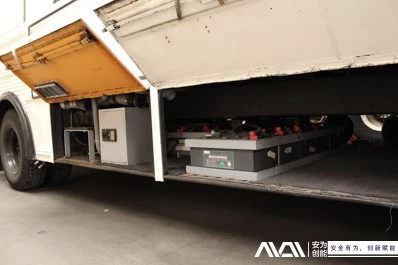
Replacement cycles of different types of batteries
Car lead - acid batteries
Under normal use conditions, the replacement cycle of car lead - acid batteries is generally 2 - 5 years. If the vehicle is used frequently and often in congested urban traffic conditions, due to frequent starts and long - term idling, the charge - discharge frequency of the battery increases and the load is large, the replacement cycle may be shortened to 2 - 3 years. For those vehicles with low usage frequency and often parked for long periods, since the battery will naturally discharge and being in a discharged state for a long time will accelerate plate sulfation, the lifespan of such car lead - acid batteries may also be only 2 - 3 years. For example, a family car that commutes in the city every day, with an average daily driving distance of 50 kilometers and often encounters traffic congestion, its lead - acid battery may need to be replaced after about 2.5 years of use. While a car used as a backup vehicle, only 1 - 2 times a week with a short driving distance each time, its lead - acid battery may need to be replaced after about 3 years of use due to performance decline.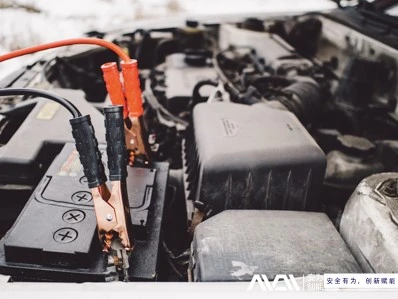
Lead - acid batteries for electric bicycles
The replacement cycle of lead - acid batteries for electric bicycles is relatively short, generally 1 - 2 years. This is mainly because the use scenarios of electric bicycles are special. Frequent acceleration and deceleration during riding lead to frequent deep discharge and charge of the battery. At the same time, the complex riding environment of electric bicycles, with significant changes in temperature and humidity, has a more obvious impact on the battery. In addition, some users may overcharge or over - discharge the battery, which will also accelerate battery aging. For example, a user who rides an electric bicycle to work and back every day, with a single - trip distance of 15 kilometers, if they often use up most of the battery power before charging and charge for too long, their electric bicycle's lead - acid battery may need to be replaced after about 1 year of use. For those who ride less frequently and pay attention to proper charging, the battery's lifespan may be extended to 1.5 - 2 years.
Nickel - metal hydride batteries
The replacement cycle of nickel - metal hydride batteries varies in different devices. In small electronic devices such as digital cameras and portable game consoles, due to their relatively small battery capacity and high charge - discharge frequency, the replacement cycle is generally 1 - 3 years. If the device is used frequently and often in high - temperature or low - temperature environments, the replacement cycle may be even shorter. In hybrid vehicles, the replacement cycle of nickel - metal hydride batteries is relatively longer, generally 5 - 8 years. This is because the battery management system of hybrid vehicles is relatively well - developed, which can effectively control and manage the battery's charge - discharge process, reducing excessive charge - discharge and deep discharge of the battery, thus extending its lifespan. For example, a hybrid vehicle using nickel - metal hydride batteries may use the battery for 6 - 7 years under normal use and maintenance conditions. While a portable camera using nickel - metal hydride batteries may need to be replaced after about 2 years of use if it is used for a long time every day.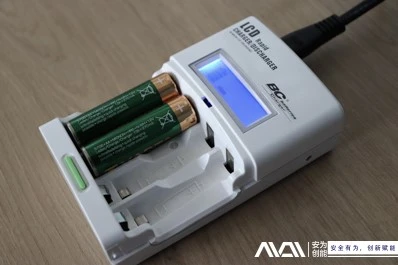
Lithium - ion batteries
Lithium - ion batteries for smartphones: The replacement cycle of lithium - ion batteries for smartphones is generally 2 - 3 years. As the usage time increases, the capacity of the phone battery will gradually decay, leading to a decline in the phone's battery life. Generally, when the battery capacity drops to about 80% of the initial capacity, it will significantly affect the phone's use experience. For example, a newly purchased smartphone can be used for 1.5 days on a full charge, but after 2 years of use, it may only last for 1 day on a full charge. At this point, it is time to consider replacing the battery. In addition, some users may have bad habits such as playing games while charging the phone and using high - energy applications for a long time, which will accelerate battery aging and shorten the replacement cycle to 1.5 - 2 years.
Lithium - ion batteries for electric vehicles: The replacement cycle of lithium - ion batteries for electric vehicles is relatively longer, generally 8 - 15 years. This is because electric vehicle manufacturers adopt advanced battery management systems when designing and producing batteries, which can monitor and control parameters such as battery temperature, voltage, and current in real time to ensure the battery works in the best state. At the same time, the large capacity of electric vehicle batteries and relatively small charge - discharge depth are also beneficial for extending battery lifespan. However, with the continuous development of electric vehicle technology and the improvement of battery performance, the replacement cycle of some new - type electric vehicle batteries may be further extended. For example, a certain brand of electric vehicle may use its lithium - ion battery for 10 - 12 years under normal use and maintenance conditions. While for some early - produced electric vehicles, if they often undergo fast charging and drive for long periods in high - temperature environments, the battery replacement cycle may be shortened to 8 - 10 years.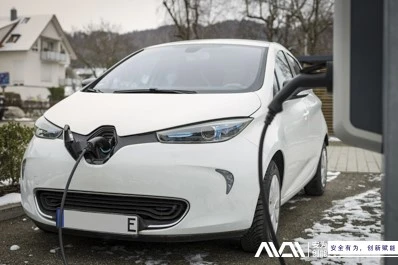
How to judge whether a battery needs to be replaced
Observing the appearance
Bulging or deformation: For lead - acid batteries and lithium - ion batteries, if the battery casing appears bulged or deformed, it is usually a clear sign of internal problems. In lead - acid batteries, bulging may be caused by excessive internal pressure, such as overcharging leading to excessive gas production that cannot be discharged, or severe plate sulfation. For lithium - ion batteries, bulging may be caused by short circuits, overcharging, or other faults inside the battery, leading to gas production and increased pressure, which causes the battery casing to deform. Once a battery is found to be bulged or deformed, it should be stopped using immediately and replaced with a new one, as this kind of battery poses a significant safety hazard and may cause fires or explosions.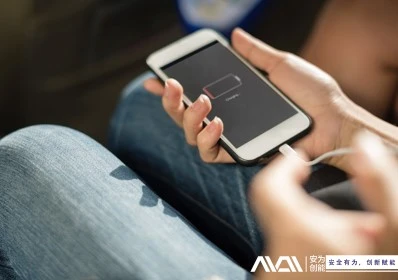
Leakage: If there is liquid seepage on the surface of the battery casing or a pungent acid smell is detected during the use of a lead - acid battery, it indicates that the battery has leakage. The causes of leakage may be a cracked battery casing, poor sealing, or excessive electrolyte. Leakage will lead to a reduction in the electrolyte inside the battery, affecting its normal chemical reaction and reducing battery performance. At the same time, the leaked electrolyte is corrosive and may damage surrounding equipment and the environment. Although leakage is relatively rare in lithium - ion batteries, if an unknown liquid is found on the battery surface, it should also be highly vigilant, and the battery should be checked for faults in time and replaced if necessary.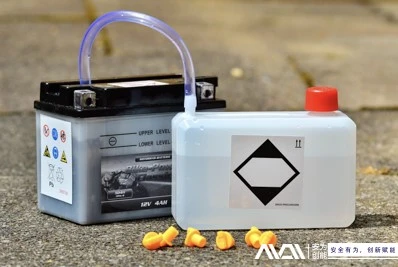
Measuring voltage and capacity
Open - circuit voltage: Using a multimeter or other tools to measure the open - circuit voltage of a battery can provide an initial judgment of the battery's state. For a 12V car lead - acid battery, in a fully charged state, its open - circuit voltage should generally be between 12.6V - 12.8V. If the measured open - circuit voltage is lower than 12.4V, it indicates that the battery may have a power shortage or performance decline. If the open - circuit voltage is lower than 12V, the battery may be severely discharged or damaged and needs to be charged or replaced. For lithium - ion batteries, the normal open - circuit voltage varies depending on the type and specification. Generally, a fully charged lithium - ion battery in a smartphone has an open - circuit voltage of about 4.2V. When the voltage drops below 3.7V, the battery power is already low. If the voltage continues to drop and cannot be restored to the normal range through normal charging, the battery may need to be replaced.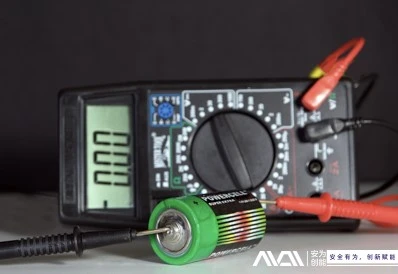
Capacity test: Using professional battery capacity testing equipment, the actual capacity of the battery can be more accurately understood. For lead - acid batteries, a discharge tester can be used to perform a discharge test on the battery at a certain current, recording the discharge time from a full - charge state to the cut - off voltage, and the actual capacity of the battery can be calculated based on the discharge time and current. If the actual capacity is lower than 80% of the rated capacity, it indicates that the battery performance has significantly declined and needs to be considered for replacement. For lithium - ion batteries, the battery management systems of some smartphones and electric vehicles display the battery's health status or remaining capacity percentage. When the battery health status of a smartphone is lower than 80%, or the remaining capacity of an electric vehicle battery is lower than 80%, it usually means that the battery needs to be replaced or further detected and maintained.
Device performance
Starting difficulties: In the automotive field, if it is found that the vehicle starts more laboriously than before, the starting time is longer, or even fails to start, in addition to checking other components such as the starter motor, it is very likely that the battery performance has declined. This is because as the battery capacity decays and internal resistance increases, the current it can provide at the moment of starting is insufficient to meet the engine's starting requirements. For electric bicycles, if there is a feeling of insufficient power during starting, slow acceleration, and a significant reduction in the use time after charging, it may also indicate that the battery needs to be replaced.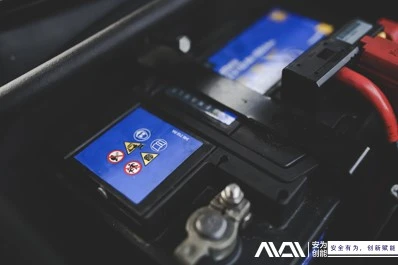
Reduced range: For electronic devices powered by batteries, such as smartphones, laptops, and electric vehicles, if the range of the device is significantly reduced, and the use time after a full charge is greatly shortened under normal use conditions, it is an important manifestation of battery performance decline. For example, if a smartphone can be used for a whole day under normal use scenarios but only for half a day after 2 years of use, it is necessary to consider whether the battery has aged and needs to be replaced. For electric vehicles, if the driving range is reduced by more than 20% - 30% compared to when it was new, and other factors such as driving habits and road conditions are excluded, it is very likely that the battery capacity has decayed, and the battery needs to be detected or replaced.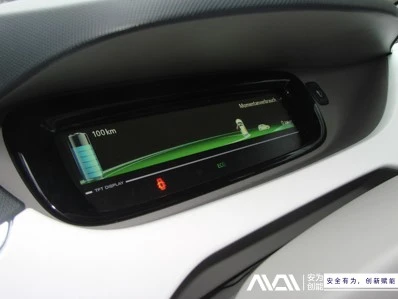
Methods to extend battery lifespan
Reasonable charging
Avoiding overcharging and over - discharging: Whether it is any type of battery, overcharging and over - discharging will have a serious impact on its lifespan. For lead - acid batteries, it is necessary to avoid overcharging them to a full state. Generally, when the charging voltage reaches the specified termination charging voltage, charging should be stopped in time. At the same time, it is necessary to avoid discharging the battery to a voltage that is too low. When the battery voltage drops to the specified termination discharge voltage, it should be charged as soon as possible. For lithium - ion batteries, the battery management systems of devices such as smartphones and laptops generally control the charging process to prevent overcharging, but users should still avoid connecting the charger for a long time after the device is fully charged to 100%. In terms of discharging, it is advisable to avoid discharging the lithium - ion battery to below 20% before recharging and keep the battery power cycling between 20% - 80%, which is beneficial for extending battery lifespan.
Choosing the right charger: Using a charger that matches the battery specifications is crucial. Different types and specifications of batteries require different charging voltages and currents. For example, the charging voltage of lead - acid batteries is generally 14.4V - 14.8V, and the charging current varies depending on the battery capacity. If a charger with a voltage that is too high or a current that is too large is used to charge a lead - acid battery, it will cause overcharging, accelerate water loss and plate sulfation in the battery, and shorten the battery lifespan. Conversely, if a charger with a voltage that is too low or a current that is too small is used, the battery will be undercharged, which will also affect battery performance. For lithium - ion batteries, the original charger of the device or a regular charger that meets the battery specification requirements should be used, and poor - quality chargers should be avoided to prevent damage to the battery.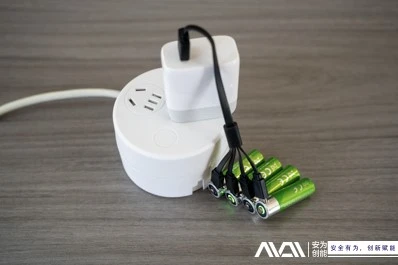
Proper use and maintenance
Regular inspection: For car lead - acid batteries, it is recommended to check the electrolyte level and density at regular intervals. If the electrolyte level is found to be too low, distilled water or a special lead - acid battery supplement should be added to keep the level within the specified range. At the same time, it is necessary to regularly check whether the battery terminals are loose or oxidized. If oxidation is found, it should be cleaned in time and protected with vaseline or other protective agents to ensure good terminal connection and reduce contact resistance. For lithium - ion batteries in electric vehicles, although their battery management systems are relatively complete, they should also be regularly taken to 4S stores or professional maintenance institutions for testing to check the battery's health status, capacity decay, etc., and potential problems should be found and handled in time.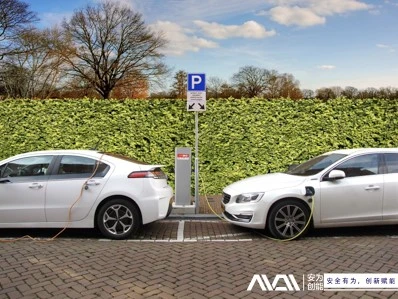
Paying attention to the usage environment: Try to avoid using and storing batteries in high - temperature, low - temperature, or high - humidity environments. In high - temperature environments, vehicles or devices can be parked in shaded areas to avoid direct sunlight on the battery. In low - temperature environments, if a vehicle with a lead - acid battery is parked for a long time, the battery can be removed and stored in a warm indoor environment, with regular charging maintenance. For lithium - ion batteries, after use in high - temperature environments, the battery should be allowed to cool down before charging. In low - temperature environments, appropriate warming measures can be taken, such as adding a thermal insulation cover to the electric vehicle's battery, to reduce the impact of temperature on battery performance.