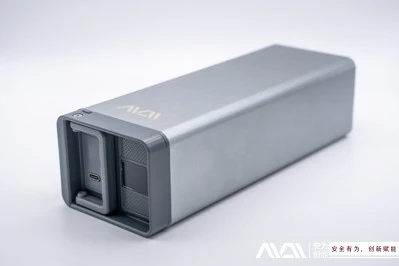
In recent years, power bank explosions have become all too common. From subway carriages to bedside tables in bedrooms, and from student dormitories to business office areas, these seemingly portable "energy stations" have caused numerous property losses and even casualties due to spontaneous combustion and explosions triggered by overheating, short circuits, or physical damage. According to statistics from the Ministry of Emergency Management, there were over 2,300 fire accidents caused by power banks across the country in 2024, with 83% of them related to improper use or low-quality products. How can we avoid these hidden "time bombs"? This article combines authoritative experimental data with suggestions from fire departments to summarize three core protection strategies to help you build a solid safety barrier.
I. Source Control: Purchase Genuine Products and Avoid "Three-No" Traps
The core safety hazards of power banks stem from low-quality battery cells and circuit boards. According to a sampling inspection by the State Administration for Market Regulation in 2025, 35% of low-priced power banks had issues such as false battery cell labeling and the absence of protection circuits. In an overcharging experiment, a counterfeit power bank from a certain brand burst into flames after just 1 hour and 27 minutes due to temperature runaway, while genuine products, equipped with multiple protection circuits for voltage stabilization, overcharging prevention, and temperature control, can effectively block risks.
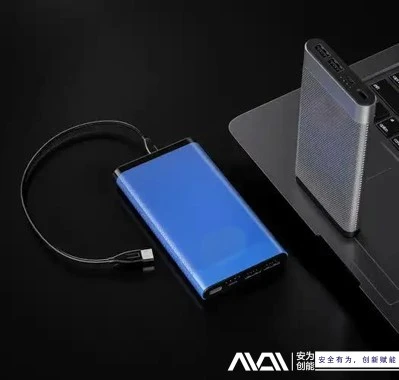
Three Principles for Purchase:
Look for the 3C Certification:
The packaging of genuine products should be marked with the manufacturer's name, address, quality certificate, and the 3C mark. You can verify the anti-counterfeiting code on the official website of the State Administration for Market Regulation.
Reject Abnormal Appearances:
If the internal components of a power bank rattle significantly when shaken, or if the outer shell has dents or an incorrect weight, it is likely a refurbished or low-quality product.
Avoid the Temptation of "Super Capacity":
Power banks with a capacity of over 20,000mAh require more complex circuit protection. Low-priced products often conceal safety hazards by falsely labeling their capacity.
Case Warning:
In April 2025, a "50,000mAh power bank" purchased online by a college student exploded while charging, resulting in the destruction of the dormitory. It was later found that the actual capacity of the product was less than 8,000mAh and it had not passed the national mandatory safety certification.
II. Proper Usage: Avoid Four "High-Risk Scenarios"
The explosion risk of power banks is closely related to the usage environment. Experiments by fire departments have shown that the following scenarios significantly increase the probability of accidents:
1. High-Temperature Exposure and Confined Spaces
The ideal operating temperature for power banks is between 0°C and 40°C. High temperatures accelerate battery cell aging, while confined spaces hinder heat dissipation. In June 2024, a car owner left a power bank on the dashboard of their car. The temperature inside the car reached 68°C in the afternoon, and the power bank spontaneously ignited within 1 hour, burning the entire interior of the car.
Safety Recommendations:
Avoid placing power banks in direct sunlight in cars, near radiators, or on heat-emitting electronic devices.
When charging, choose a well-ventilated area and keep it away from flammable materials such as blankets and cardboard boxes.
2. Charging While Using and Overcharging
When using a power bank to charge a mobile phone, the voltage increases several times compared to the standby state. If you operate the phone simultaneously, the load on the battery cell surges, which can easily trigger high-temperature explosions. In addition, long-term overcharging can cause battery cell crystallization, shortening its lifespan and increasing the risk of short circuits.
Safety Recommendations:
Avoid using your phone while charging, especially for high-power-consuming activities such as playing games or making video calls.
Set a charging alarm and unplug the power source promptly after charging is complete. For overnight charging, use a timed socket.
3. Physical Damage and Compression
Dropping, pricking, or applying heavy pressure can damage the internal structure of battery cells, leading to leakage or short circuits. In March 2025, a man placed a power bank in the side pocket of his backpack. During cycling, the battery cell ruptured due to bumps, causing a fire inside the backpack.
Safety Recommendations:
Use a dedicated protective case when carrying a power bank and avoid mixing it with metal objects such as keys and coins.
Regularly check the outer shell for bulges or cracks and stop using it immediately if any abnormalities are found.
4. Damp Environments and Water Ingress
Power banks are not designed to be waterproof. Water ingress can corrode the circuit board and trigger a short circuit. In September 2024, a user plugged in a wet power bank, causing the entire household circuit to trip and triggering a small fire.
Safety Recommendations:
Only use a dry cloth for cleaning and avoid using chemicals or washing with water.
If the power bank gets wet, do not charge it immediately. Place it in a dry area for more than 48 hours.
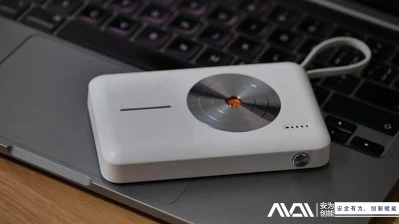
III. Emergency Response: Master the "Golden 30-Second" Self-Rescue Rule
Even if you strictly follow safety regulations, power banks may still experience sudden abnormalities due to uncontrollable factors (such as battery cell quality defects). In such cases, correct emergency response can minimize losses to the greatest extent.
1. Identifying Warning Signs
Power bank explosions are usually preceded by the following signals:
Appearance:
Bulging or deformation of the outer shell, or leakage.
Temperature:
Abnormal heating during charging (exceeding 50°C).
Sound:
"Sizzling" noises or smoking from inside.
2. Emergency Response Steps
Step 1: Disconnect and Isolate
Immediately unplug the charging cable and move the power bank to an open area, away from flammable materials such as curtains and paper.
Step 2: Cool Down and Extinguish the Fire
If a fire has broken out, prioritize using a water-based fire extinguisher or pouring a large amount of water on it (the battery cells of a power bank will not explode when exposed to water, but avoid direct contact with the human body). Do not use a dry powder fire extinguisher, as the powder may cover the battery cells and cause reignition.
Step 3: Call for Help
If the fire cannot be controlled, call 119 immediately and evacuate the scene. At the same time, turn off the main power switch of the room.
Case Reference:
In July 2025, a power bank spontaneously ignited in an office in Shanghai. Employees used a mineral water bucket from the conference room to pour water on the fire source, successfully preventing the spread of the fire and buying crucial time for the fire rescue.
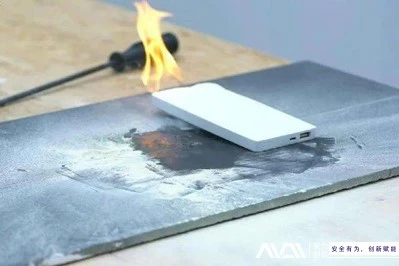
IV. Long-Term Protection: Establish a "Safe Usage Cycle"
The lifespan of a power bank is usually 3-5 years (as indicated by the environmental protection usage period marked on the side). Continuing to use it beyond this period significantly increases the risk. It is recommended to:
Regularly Charge and Discharge:
Power banks that have been idle for a long time need to be charged and discharged once a month to prevent battery cell damage due to over-discharge.
Record Usage Time:
Mark the purchase date on the outer shell of the power bank and replace it promptly after it exceeds its lifespan.
Pay Attention to Recall Information:
If the brand issues a product defect recall notice, stop using it immediately and contact after-sales service.
Conclusion: Safety Is No Small Matter; Details Determine Life and Death
Power bank explosions are not "probabilistic events" but inevitable results caused by low-quality products, improper use, and a lack of emergency response. From verifying the 3C certification during purchase to monitoring the temperature during use, and to remaining calm in case of abnormalities, every step is crucial for the safety of life and property. Remember: True "portability" should never come at the cost of safety; it is about respecting technical specifications and valuing life.