From smartphones to new energy vehicles, from electric bicycles to laptops, batteries have become the "energy heart" of modern life. However, many people's understanding of batteries is still stuck at the stage of "it works as long as it can be used." Little do they know that incorrect charging habits, storage methods, and even daily operations are quietly shortening battery life and even posing safety hazards. This article combines authoritative experimental data and real-life cases to expose eight common battery usage mistakes, helping you use electricity scientifically and stay away from dangers.
Mistake 1: Mixing Batteries and Chargers - Convenient but a "Slow Suicide"
Typical Scenarios:
Mixing batteries of different brands and capacities; using a lead-acid battery charger for lithium-ion batteries; charging a tablet with a smartphone fast charger.
Scientific Truth:
Different types of batteries have significantly different chemical properties. For example, the charging voltage for a single lead-acid battery cell is 2.1-2.4V, while lithium-ion batteries require precise three-stage charging (constant current → constant voltage → float charging), with the voltage for a single cell needing to be controlled between 3.7-4.2V. If a lead-acid charger is used for a lithium-ion battery, the output voltage gap can reach 3V, causing the lithium-ion battery to be charged at a low voltage for a long time, with its capacity decreasing at a rate of 5% per month. According to a 2022 investigation into electric vehicle fires, 87% of the fires were caused by mixed use of chargers. Low-quality chargers have large output ripples, which may exceed the protection threshold of lithium-ion batteries and trigger thermal runaway.
Correct Operation:
Strictly use the original or matching chargers and avoid mixing brands and types.
When charging lithium-ion batteries, prioritize chargers with triple protections against overvoltage, overcurrent, and overtemperature.
If emergency charging is needed, use methods such as separate battery charging (disassembling the battery pack and charging with a power bank) or voltage boost conversion (using a 12V-to-24V voltage booster + a dedicated charging module).
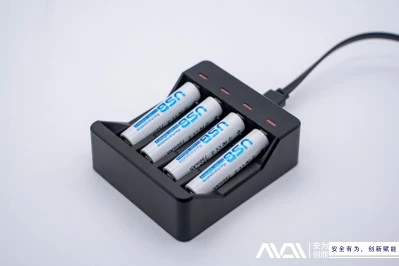
Mistake 2: Overcharging and Over-discharging - "Draining" the Battery and Accelerating Aging
Typical Scenarios:
Charging overnight without unplugging; waiting until the phone/electric vehicle is completely out of power before charging; storing new energy vehicles with a full charge for a long time.
Scientific Truth:
The capacity degradation of lithium-ion batteries is mainly due to the embedding/extraction process of lithium ions between the positive and negative electrodes, with each charge causing 0.5% irreversible loss. Experimental data shows that the loss rate of lithium-ion batteries with shallow charging (from 20% to 80%) is three times that of full charging (from 0% to 100%). A food delivery rider who charges their electric vehicle three times a day (with a range of 20-30 kilometers per charge) found that the battery capacity dropped from 60Ah to 42Ah in six months. In contrast, a rider on a fixed route who fully charges once a day maintained a battery capacity retention rate of 92%.
Long-term full-charge storage is also dangerous. A research institution's test showed that after storing a lithium-ion battery at full charge for 9.5 months, its capacity degraded to 86%, while storing it at half charge (30%) only resulted in a degradation to 94%. This is because when fully charged, all lithium ions are crowded in the negative electrode, making the positive electrode material unstable due to the loss of lithium ions. Long-term reactions with the electrolyte can cause structural collapse, leaving some lithium ions unable to return and becoming ineffective capacity.
Correct Operation:
Avoid charging overnight and try to keep the battery level between 40% and 80%.
For electric vehicle lithium-ion batteries, charge them as needed and top up when the battery level drops below 20% to avoid deep discharging.
When storing new energy vehicles for a long time, keep the battery level between 50% and 70% and choose an indoor environment at around 20°C.
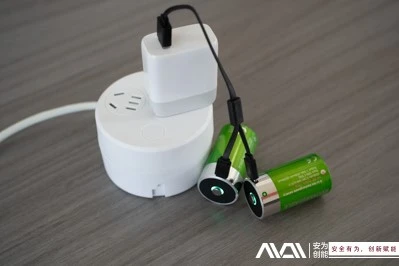
Mistake 3: Charging in High-temperature Environments - "Thermal Violence" Destroys the Battery
Typical Scenarios:
Charging an electric vehicle immediately after leaving it in the sun in summer; playing games or watching videos on a phone while charging, causing it to overheat; covering a laptop with a blanket while charging.
Scientific Truth:
High temperature is the "number one killer" of batteries. For every 10°C increase in electrolyte temperature, the lifespan of a lithium-ion battery is shortened by 20%. Laboratory data shows that lithium-ion batteries charged continuously at 40°C have their cycle life reduced from 1200 cycles to only 600 cycles. In addition, high temperature accelerates battery self-discharge, with lead-acid batteries having a self-discharge rate of up to 5% per month and lithium-ion batteries 2% per month. Long-term high-temperature storage may cause the battery to "starve to death."
Correct Operation:
Before charging in summer, place the electric vehicle in a shaded area for 30 minutes to allow the battery temperature to drop below 35°C before charging.
Avoid using high-power devices (such as for gaming or video playback) while charging to reduce battery heating.
When charging a new energy vehicle, ensure that the charging port plug is firmly inserted to avoid sparks caused by poor contact.
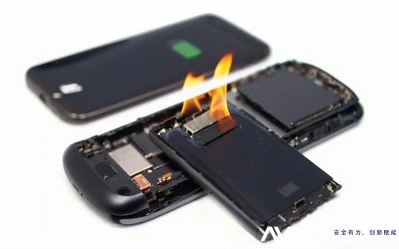
Mistake 4: Violent Disassembly and Modification - A Disaster for "Clumsy Hands"
Typical Scenarios:
Disassembling the battery to replace the cells by oneself; puncturing the battery casing with a needle to "release gas"; soldering the positive and negative terminals of the battery to modify the circuit.
Scientific Truth:
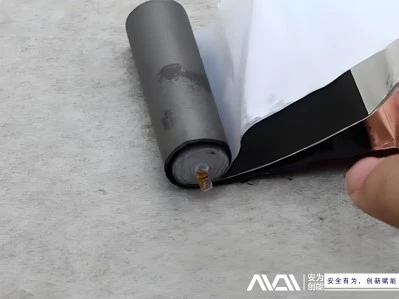
The internal structure of a battery is precise, and violent disassembly may cause short circuits, leakage, or even explosions. A real-world test on a brand-name lithium-ion battery showed that after disassembly, the internal resistance could rise to over 200mΩ (normal range < 50mΩ), and the cycle life could be shortened by 40%. In addition, many brand-name batteries are designed with a self-locking function. Once the cells are separated from the control circuit, the circuit will enter a self-locking state, rendering the battery equivalent to scrap.
Correct Operation:
Never disassemble or modify the battery by oneself. When cell replacement is needed, contact a professional repair company.
If the battery leaks or bulges, stop using it immediately and wipe the surface with a dry cloth to avoid skin contact.
Waste batteries should be classified and recycled and must not be discarded randomly or incinerated.
Mistake 5: Long-term Idleness without Charging - "Starving" the Battery and Incurring Heavy Losses
Typical Scenarios:
Leaving an electric vehicle in the garage without charging in winter; leaving a phone unused without turning it on for a long time; storing a laptop battery separately without using it.
Scientific Truth:
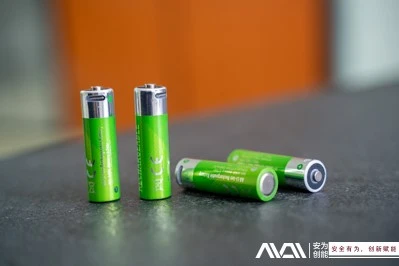
Long-term idleness can lead to battery self-discharge, with lead-acid batteries having a self-discharge rate of up to 5% per month and lithium-ion batteries 2% per month. If the battery is left idle with a charge level below 50%, it may trigger "sulfation" (in lead-acid batteries) or "lithium deposition" (in lithium-ion batteries), causing ion channel blockage and irreversible capacity degradation. A Model 3 owner who did not charge their vehicle for six months due to a business trip found a 3% reduction in range upon return, while a neighbor's Han EV, stored with a full charge, experienced a 12% reduction in range.
Correct Operation:
Before long-term idleness, charge the battery to 50%-70%.
Start the device at least once a month to check the battery level and recharge it in a timely manner.
If the laptop battery is removed, charge it regularly (every three months) to avoid over-discharging.
Mistake 6: Over-reliance on Fast Charging - "Binge Eating" Damages the Battery
Typical Scenarios:
Using fast charging to top up a phone every day; always choosing "super fast charging" for an electric vehicle; using a high-power charger for a laptop for a long time.
Scientific Truth:
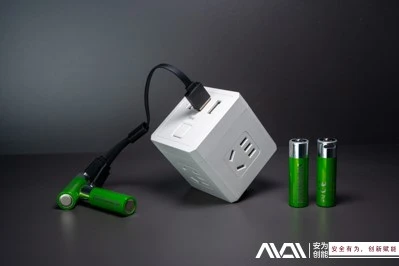
During fast charging, lithium ions "move faster," leading to electrolyte precipitation, increased internal resistance, and irreversible capacity degradation. Experimental data shows that if fast charging is used more than three times a week, the lifespan of a lithium-ion battery may be shortened by 30%. A real-world test on a brand-name fast charger showed that after 100 consecutive fast charges, the battery capacity degraded by 15%, while the slow charging group only experienced a 5% degradation.
Correct Operation:
Use fast charging only as an emergency solution and prioritize slow charging for daily use.
When fast charging an electric vehicle, avoid using it when the battery level is below 20% or above 80%.
When charging a phone, prioritize the original or low-power charger (such as 5V/2A).
Mistake 7: Ignoring Battery Health Detection - "Working with a Sick Battery" Poses Great Risks
Typical Scenarios:
Continuing to use an electric vehicle despite a sudden drop in range; ignoring a slowdown in phone charging speed; continuing to forcefully use a laptop battery that has bulged.
Scientific Truth:
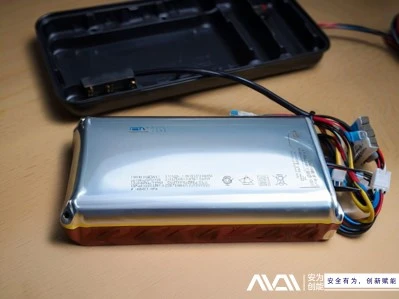
A decline in battery health can trigger a chain reaction. For example, increased internal resistance in an electric vehicle battery can lead to increased heating, which in turn can trigger thermal runaway. An aging phone battery may cause poor contact at the charging port, generating sparks. A laboratory test showed that a lithium-ion battery with an internal resistance of over 200mΩ could have its surface temperature rise to 60°C during charging, far exceeding the safety threshold.
Correct Operation:
Regularly check battery health (such as using the "Battery Health" option in phone settings).
Have the battery's internal resistance, voltage, and other parameters tested at a 4S shop every three months for an electric vehicle.
If the battery bulges, leaks, or charges abnormally, stop using it immediately and replace it.
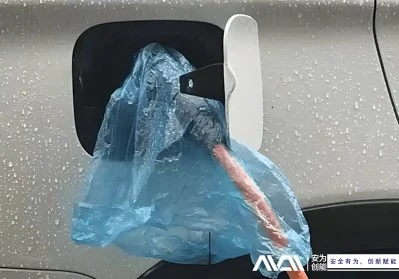
Mistake 8: Charging in the Rain without Protection - "Mixing Water and Fire" Leads to Disaster
Typical Scenarios:
Charging an electric vehicle without covering the charging port in the rain; continuing to use a phone after it gets splashed with water while charging; charging a laptop in a humid environment.
Scientific Truth:
Water is the "natural enemy" of batteries. When a lithium-ion battery comes into contact with water, its internal waterproof layer can be damaged, potentially causing a short circuit or rendering the entire battery ineffective. A real-world test on a brand-name electric vehicle showed that if water enters the charging port during rainy weather charging, the resistance can drop to below 10Ω (normal range > 100Ω), triggering a short-circuit current of over 10A, which is enough to melt the circuit.
Correct Operation:
Before charging in the rain, wipe the charging port and battery surface with a dry cloth.
If the battery gets wet, stop using it immediately and contact after-sales service. Never disassemble it by oneself.
Avoid charging in humid environments (such as bathrooms or basements) and keep the area well-ventilated and dry.