

In today's era of highly developed technology and ubiquitous electronic devices, disposable batteries have become the "energy source" for numerous small electronic gadgets due to their convenient usage. From the remote controls and flashlights we use daily to the toys beloved by children, disposable batteries seem to be everywhere, bringing great convenience to our lives. However, behind this short-term convenience lie long-lasting and undeniable harms that are gradually eroding our environment, health, and future.
Resource Consumption: Unsustainable Waste
The production of disposable batteries is a resource-intensive process. It requires the consumption of a large amount of metallic and non-metallic mineral resources, mainly including zinc, manganese, mercury, cadmium, and lead. Take zinc-manganese dry batteries as an example. Zinc is the main material for the battery casing and the negative electrode, while manganese is the key component of the positive electrode. To meet the huge global demand for batteries, a large number of zinc and manganese ores are mined. According to relevant data, producing 100 million 5-volt zinc-manganese dry batteries requires approximately 750 tons of zinc and 1,200 tons of manganese dioxide.
In addition to metal resources, the production of disposable batteries also consumes a significant amount of energy. From the mining and refining of ores to the manufacturing, packaging, and transportation of batteries, every step relies on energy support. Moreover, since disposable batteries have a short service life and are usually discarded after being used a few dozen times or even just a few times, this means we are paying a huge resource cost for short-term use. In contrast, although rechargeable batteries have a higher initial purchase cost, they can be recharged and used hundreds or even thousands of times, greatly reducing resource consumption and representing a more sustainable energy solution.
Environmental Pollution: Invisible Ecological Killers
Soil Pollution
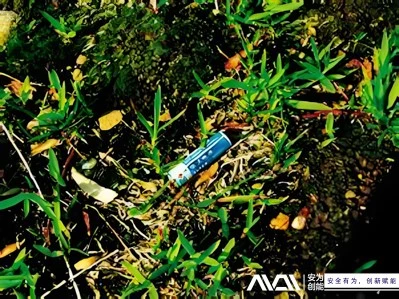
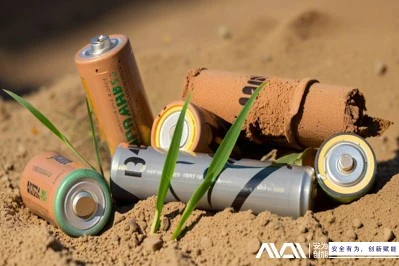
Heavy metal elements in disposable batteries, such as mercury, cadmium, and lead, are the main culprits behind soil pollution. When discarded disposable batteries are randomly thrown into the soil, the battery casings gradually corrode, allowing the heavy metals to slowly leach out into the soil. These heavy metals accumulate in the soil, altering its chemical properties, affecting the survival and activities of soil microorganisms, and disrupting the soil's ecological balance. For instance, cadmium is an extremely toxic heavy metal that can remain in the soil for a long time. Once absorbed by plants, it inhibits plant growth and development, leading to reduced crop yields or even crop failure. Furthermore, through the food chain, cadmium can enter the human body and cause serious harm to human health.
Water Pollution
In addition to soil pollution, heavy metals from disposable batteries can also enter water bodies through rainwater runoff, causing water pollution. Once heavy metals enter rivers, lakes, and groundwater, they can poison aquatic organisms and disrupt the stability of aquatic ecosystems. For example, mercury is a highly neurotoxic heavy metal that can be converted into methylmercury in water. Methylmercury accumulates in aquatic organisms such as fish and, through the amplification effect of the food chain, poses a serious threat to the health of high-level consumers. Humans who consume fish contaminated with mercury may suffer from nervous system damage, developmental disorders, and other diseases.
Air Pollution
During the production and disposal of disposable batteries, a large amount of exhaust gas and dust are also generated, affecting air quality. For example, in the battery production process, some organic solvents and chemicals are used, and these substances release harmful gases such as benzene, toluene, and xylene during volatilization. These gases not only pollute the atmospheric environment but also pose a threat to human health. Long-term exposure to these harmful gases may lead to respiratory diseases, cancer, and other health problems. In addition, during the incineration of discarded batteries, a large amount of dioxins and other highly toxic substances are produced, which can persist in the air for a long time and pose potential threats to the environment and human health.
Health Threats: Hidden Dangers Around Us
Direct Contact Hazards
For special groups such as children and battery recycling and processing workers, disposable batteries may pose direct health threats. Children are curious and often put batteries in their mouths to play with. If they accidentally bite through the battery casing, the electrolyte and heavy metals inside the battery can enter their mouths, causing corrosion and damage to their oral mucosa and digestive tract, and may even lead to heavy metal poisoning. Battery recycling and processing workers, on the other hand, may suffer from various occupational diseases if they lack necessary protective measures and are exposed to heavy metals and harmful chemicals in batteries for a long time, such as nervous system diseases, respiratory diseases, and blood diseases.
Long-Term Accumulation Hazards
Even if we do not come into direct contact with discarded batteries, heavy metals in disposable batteries can enter the human body through environmental media and accumulate over the long term, posing potential health hazards. For example, lead is a common heavy metal pollutant that can affect the human nervous system, blood system, and digestive system, causing intellectual developmental delays in children and anemia and hypertension in adults. Cadmium can damage the human kidneys and bones, leading to kidney failure and osteoporosis. The accumulation of these heavy metals in the human body is a slow process, and there may be no obvious symptoms in the early stages. However, once a certain dose is reached, they can cause serious harm to human health.
Recycling Dilemma: Challenges to Be Solved
At present, the recycling and disposal of disposable batteries in China face many difficulties. On the one hand, the public has a weak awareness of environmental protection and insufficient understanding of the hazards of disposable batteries. Many people discard used batteries as ordinary garbage, resulting in a large number of discarded batteries entering landfills or incineration plants for domestic waste, increasing the risk of environmental pollution. On the other hand, China's used battery recycling system is not yet perfect, with blocked recycling channels and high recycling costs, which reduces the enthusiasm of recycling enterprises. Even if some used batteries are recycled, it is difficult to achieve effective resource regeneration and harmless treatment due to the lack of advanced technology and equipment.
Countermeasures: Towards a Green Future
Strengthening Publicity and Education
Raising public awareness of environmental protection is the key to solving the problem of disposable battery pollution. The government, media, and social organizations should strengthen publicity and education efforts, popularize knowledge about the hazards and recycling of disposable batteries to the public through various channels, guide the public to establish correct consumption concepts and environmental awareness, and encourage the public to actively participate in the recycling of used batteries.
Improving the Recycling System
Establishing a sound used battery recycling system is an important guarantee for solving the recycling problem. The government should introduce relevant policies to encourage and support enterprises to establish a used battery recycling network, standardize recycling behavior, and improve recycling efficiency. At the same time, it should strengthen supervision of recycling enterprises to ensure that the recycled used batteries are treated safely and effectively.
Promoting Alternative Products
Promoting the use of rechargeable batteries and green energy is the fundamental way to solve the problem of disposable battery pollution. The government should increase support for the research and development of rechargeable battery and green energy technologies, reduce the cost of rechargeable batteries, and improve their performance and reliability. At the same time, it should encourage enterprises to produce and sell electronic devices that use rechargeable batteries and green energy, guiding consumers to choose environmentally friendly products.
Conclusion
Although disposable batteries bring short-term convenience to our lives, their long-lasting harms to resources, the environment, and health cannot be ignored. Each of us should recognize the seriousness of the disposable battery problem, start from ourselves, reduce the use of disposable batteries, and actively participate in the recycling of used batteries. At the same time, the government, enterprises, and all sectors of society should work together to strengthen publicity and education, improve the recycling system, promote alternative products, and jointly protect our Earth home and move towards a green and sustainable future. Only in this way can we enjoy the convenience brought by technology while avoiding leaving a devastated Earth for future generations.