I. Introduction
Lithium batteries, as an important energy storage device, have been widely applied in modern society, such as in electric vehicles and portable electronic devices. However, lithium batteries may experience short circuits during use, which not only affects battery performance but can also trigger serious safety issues, such as fires and explosions. Internal resistance is one of the key indicators for measuring lithium battery performance. An increase in internal resistance leads to a decrease in battery discharge capacity, a reduction in capacity, and a shortened service life. Therefore, studying the causes of internal resistance increase in lithium batteries during short circuits has important theoretical and practical significance.
II. Composition of Lithium Battery Internal Resistance
The internal resistance of a lithium battery mainly consists of ohmic resistance and polarization resistance. Ohmic resistance includes the resistance of the electrodes themselves, the resistance of the electrolyte solution, the resistance encountered by ions passing through the micropores of the separator, and the contact resistance between the positive/negative electrodes and the separator. Polarization resistance is the conductive resistance formed due to electrode polarization during battery charging and discharging, including electrochemical polarization and concentration polarization. Electrochemical polarization is caused by the sluggishness of electrode reactions, while concentration polarization is caused by changes in ion concentration near the electrode surface.
III. Analysis of the Causes of Internal Resistance Increase in Lithium Batteries during Short Circuits
(I) Material-Level Root Causes
1.Degradation of Positive and Negative Active Materials
Positive electrode materials (such as NCM, LFP) may experience a decrease in electronic conductivity due to the dissolution of transition metals or structural collapse. For example, during the long-term cycling of a battery, transition metal ions in the positive electrode material may dissolve into the electrolyte, leading to structural changes in the positive electrode material and a reduction in its electronic conductivity. Negative electrode graphite may increase lithium ion migration resistance due to the growth of lithium dendrites or an excessively thick SEI film (>100 nm). The growth of lithium dendrites can puncture the separator, causing a battery short circuit, while an excessively thick SEI film can hinder lithium ion migration and increase battery internal resistance.
2.Electrolyte Aging and Interface Issues
Electrolyte decomposition products (such as LiF, Li₂CO₃) accumulate on the electrode surface, forming a high-impedance interface layer. Under high-temperature or overcharge conditions, electrolyte viscosity increases, and lithium ion transport efficiency decreases. For example, when a battery is in a high-temperature environment, the viscosity of the electrolyte increases, and the migration rate of lithium ions slows down, leading to an increase in battery internal resistance.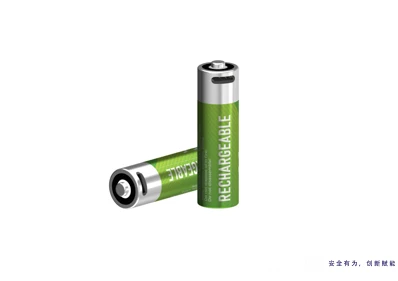
3.Current Collector and Tab Degradation
Oxidation or corrosion of aluminum/copper foil leads to an increase in contact resistance (common in high-humidity environments). Virtual welding of tab welding points or material fatigue (such as under vibration conditions) causes local resistance to multiply. During battery use, the current collector and tabs may undergo oxidation or corrosion due to environmental factors, leading to an increase in contact resistance. At the same time, virtual welding of tab welding points or material fatigue can also increase local resistance.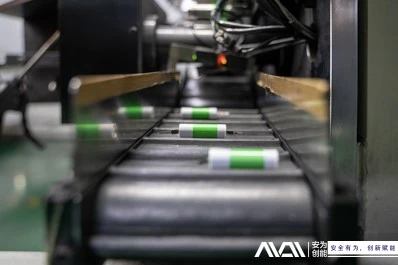
(II) Superposition Effect of Process Defects
1.Uneven Coating of Electrode Sheets
Fluctuations in areal density (±5% or more) lead to uneven current distribution and a significant increase in local polarization resistance. If the coating of electrode sheets is uneven, it will result in uneven current distribution inside the battery, with certain areas having excessively high current densities, thereby causing an increase in local polarization resistance.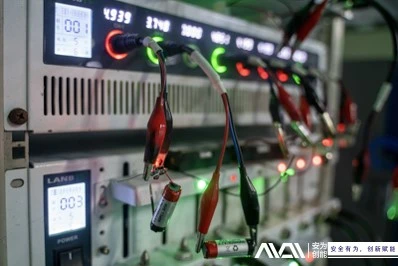
2.Errors in Stacking/Winding Processes
Misalignment of electrode sheets leads to edge burr contact, increasing the risk of micro-short circuits and additional impedance. During battery manufacturing, if there are errors in the stacking or winding process, it may cause misalignment of electrode sheets, leading to edge burr contact, increasing the risk of micro-short circuits and additional impedance.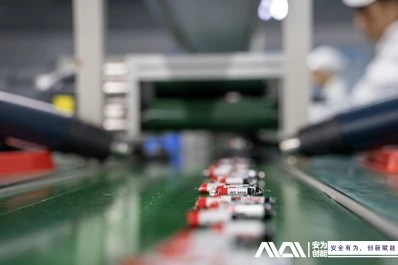
3.Insufficient Electrolyte Injection and Wetting
The electrolyte does not fully penetrate the separator pores (wetting degree < 90%), blocking ion channels. If the electrolyte does not fully penetrate the separator pores, it will block ion channels, slow down the migration rate of lithium ions, and increase battery internal resistance.
(III) Impact of Usage Environment and Operating Conditions
1.Low-Temperature Environment
The ionic conductivity of the electrolyte decreases by more than 50%, and both ohmic resistance and polarization resistance increase. In a low-temperature environment, the ionic conductivity of the electrolyte significantly decreases, leading to an increase in battery ohmic resistance and polarization resistance.
2.High-Rate Charging and Discharging
Concentration polarization intensifies, the voltage platform collapses, and effective internal resistance increases by 20% - 40%. When a battery undergoes high-rate charging and discharging, the ion concentration near the electrode surface rapidly changes, leading to intensified concentration polarization and an increase in battery effective internal resistance.
3.Long-Term Cycling Aging
Cumulative effects such as active lithium loss and a decrease in electrode porosity lead to an annual internal resistance growth rate exceeding 5%. During the long-term cycling use of a battery, active lithium gradually depletes, and electrode porosity also decreases. These cumulative effects lead to an annual internal resistance growth rate exceeding 5%.
(IV) Local Overheating and Structural Damage Caused by Short Circuits
1.Local Overheating
The large current generated during a short circuit leads to a sharp increase in local temperature inside the battery. High temperatures accelerate the degradation of battery internal materials, such as electrolyte decomposition and changes in electrode material structure, further increasing internal resistance. For example, when a battery experiences a short circuit, the short circuit location generates a large amount of heat, causing local temperature to rise and electrolyte decomposition, forming a high-impedance interface layer and increasing battery internal resistance.
2.Structural Damage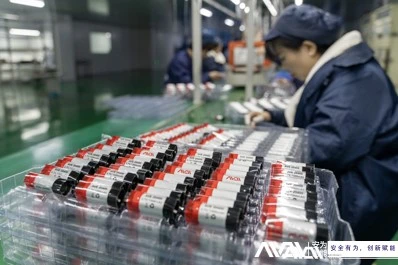
The huge current and heat generated during a short circuit may lead to structural damage inside the battery, such as separator melting and electrode material deformation. These structural damages directly affect the ion and electron transport channels of the battery, leading to a significant increase in internal resistance. For example, the high temperature generated during a short circuit may melt the separator, causing direct contact between the positive and negative electrodes, forming a larger short circuit current, and also damaging the structure of the electrode materials, increasing battery internal resistance.
IV. Conclusion
The causes of internal resistance increase in lithium batteries during short circuits are multifaceted, including material-level root causes, the superposition effect of process defects, the impact of usage environment and operating conditions, and local overheating and structural damage caused by short circuits. These factors interact with each other, collectively leading to an increase in internal resistance in lithium batteries during short circuits. Understanding these causes is of great significance for the design, manufacturing, use, and maintenance of lithium batteries. In the battery design stage, appropriate materials should be selected and process parameters optimized to reduce battery internal resistance. During battery use, the battery should be kept away from harsh usage environments, such as high temperatures, low temperatures, and high humidity, and the battery's charging and discharging rate should be reasonably controlled to extend battery service life and ensure battery safety. At the same time, for batteries that have already experienced a short circuit, timely treatment should be carried out to avoid triggering more serious safety issues. Future research should further delve into the mechanism of internal resistance increase in lithium batteries during short circuits and develop more effective battery management and protection technologies to improve lithium battery performance and safety.