

Hey there! As a supplier of rechargeable lithium C cell batteries, I often get asked about the maximum temperature these batteries can withstand. It's a crucial question, especially considering how temperature can significantly impact battery performance and safety. So, let's dive right in and explore this topic.
First off, let's understand a bit about rechargeable lithium C cell batteries. These batteries are widely used in various applications, from high - drain devices like flashlights to portable power tools. They offer a high energy density, which means they can store a lot of energy in a relatively small space. If you're interested in learning more about them, you can check out Rechargeable Lithium C Cell Battery.
Now, back to the main question: what's the maximum temperature a rechargeable lithium C cell battery can handle? Well, it depends on a few factors.
Operating Temperature Range
Most rechargeable lithium C cell batteries have an operating temperature range specified by the manufacturer. Typically, the normal operating temperature range for charging is between 0°C to 45°C (32°F to 113°F). When it comes to discharging, the range is usually a bit wider, from - 20°C to 60°C (- 4°F to 140°F).
If the temperature goes above the upper limit during charging, it can cause some serious problems. For example, at high temperatures, the chemical reactions inside the battery speed up. This can lead to the formation of lithium metal deposits on the electrodes, a phenomenon known as lithium plating. Lithium plating not only reduces the battery's capacity over time but can also create short - circuits, which is a major safety hazard.
On the other hand, during discharging, if the temperature is too high, the battery's internal resistance increases. This means that more energy is wasted as heat, and the battery's performance drops. You might notice that your device doesn't run as long on a single charge when the battery is exposed to high temperatures.
Storage Temperature
Storage temperature is another important aspect. It's recommended to store rechargeable lithium C cell batteries in a cool, dry place. The ideal storage temperature range is between 10°C to 30°C (50°F to 86°F). Storing batteries at high temperatures for an extended period can cause the electrolyte inside the battery to break down. This degradation of the electrolyte leads to a loss of battery capacity and can also increase the risk of thermal runaway.
Thermal runaway is a situation where the battery's temperature rises uncontrollably. Once thermal runaway starts, it can lead to the battery swelling, venting flammable gases, or even catching fire. This is why it's so important to keep batteries within the recommended temperature ranges, whether they're in use or in storage.
Impact of High - Temperature Environments
In real - world scenarios, rechargeable lithium C cell batteries might be exposed to high - temperature environments. For example, if you're using a flashlight in a desert or a power tool in a hot industrial setting. In such cases, it's crucial to take precautions.
One way to deal with high temperatures is to use heat - resistant battery enclosures. These enclosures can help insulate the battery from the external heat source and keep the internal temperature within a safe range. Another option is to design the device with proper ventilation to dissipate heat away from the battery.
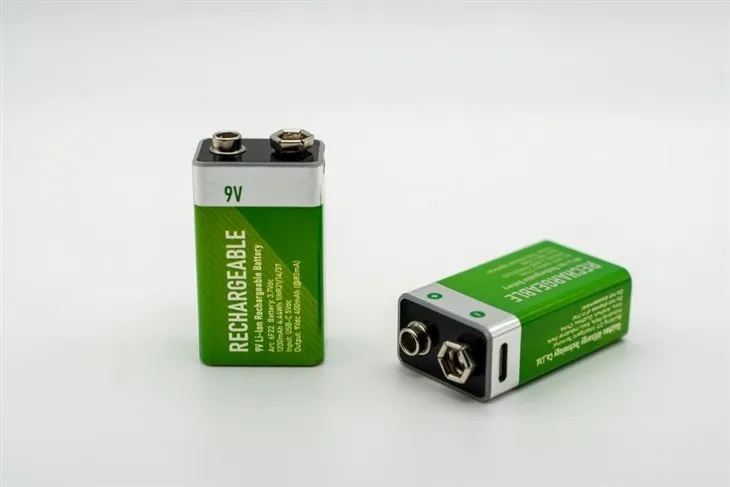
If you're in the market for other types of rechargeable lithium batteries, we also offer Lithium Ion D Cell Rechargeable and 9V Lithium Polymer Rechargeable Battery.
How to Measure and Monitor Temperature
To ensure that your rechargeable lithium C cell batteries are operating within the safe temperature range, you can use temperature sensors. These sensors can be integrated into the battery pack or the device itself. They continuously monitor the temperature and can trigger an alarm or shut down the device if the temperature exceeds the safe limit.
Some advanced battery management systems (BMS) also have built - in temperature monitoring features. A BMS can not only monitor the temperature but also control the charging and discharging processes based on the temperature readings. This helps to protect the battery from damage due to over - heating.
Conclusion
So, to sum it up, while the exact maximum temperature a rechargeable lithium C cell battery can withstand depends on the specific battery model and manufacturer, generally, it's best to keep the battery within the recommended operating and storage temperature ranges. High temperatures can cause a range of problems, from reduced battery performance to serious safety issues.

If you're looking for high - quality rechargeable lithium C cell batteries that are designed to perform well even in challenging temperature conditions, we're here to help. Whether you're a small business owner looking to power your products or an individual in need of reliable batteries for your personal devices, we've got you covered.
If you're interested in discussing your battery requirements or have any questions, feel free to reach out to us. We're always happy to have a chat and help you find the best battery solutions for your needs.
References
- "Lithium - Ion Batteries: Science and Technologies" by Yoshio Nishi, Akiya Kozawa, and Masaki Yoshio.
- Battery University: A comprehensive online resource for battery - related information.