

Rechargeable lithium batteries have become an integral part of our modern lives, powering everything from smartphones and laptops to electric vehicles and renewable energy storage systems. As a rechargeable lithium battery supplier, I've witnessed firsthand the remarkable advancements in battery technology. However, like any complex technology, rechargeable lithium batteries are not without their challenges. In this blog post, I'll delve into the common failures of rechargeable lithium batteries, exploring the causes, symptoms, and potential solutions.
Capacity Fade
One of the most common issues with rechargeable lithium batteries is capacity fade, which refers to the gradual loss of a battery's ability to hold a charge over time. This phenomenon is a natural consequence of the chemical reactions that occur within the battery during charging and discharging cycles. As the battery ages, the active materials in the electrodes degrade, leading to a reduction in the number of lithium ions that can be stored and transferred between the electrodes.
Several factors can accelerate capacity fade, including high temperatures, overcharging, deep discharging, and rapid charging. High temperatures can increase the rate of chemical reactions within the battery, causing the active materials to degrade more quickly. Overcharging can lead to the formation of metallic lithium on the anode, which can cause short circuits and reduce the battery's capacity. Deep discharging, on the other hand, can cause irreversible damage to the cathode, leading to a loss of capacity. Rapid charging can also generate heat and stress the battery, accelerating capacity fade.
To mitigate capacity fade, it's important to use rechargeable lithium batteries within their recommended temperature range, avoid overcharging and deep discharging, and use a charger that is specifically designed for the battery type. Additionally, using a battery management system (BMS) can help monitor and control the charging and discharging process, ensuring that the battery is operated within safe limits.
Internal Short Circuits
Another serious failure mode of rechargeable lithium batteries is internal short circuits, which occur when the positive and negative electrodes come into contact with each other inside the battery. Internal short circuits can be caused by a variety of factors, including manufacturing defects, physical damage to the battery, and the growth of lithium dendrites.
Manufacturing defects can include impurities in the electrode materials, misaligned electrodes, or damage to the separator, which is a thin layer of material that prevents the electrodes from coming into contact with each other. Physical damage to the battery, such as punctures, impacts, or bending, can also cause the electrodes to come into contact with each other. Lithium dendrites are tiny needle-like structures that can grow on the anode during charging, especially if the battery is overcharged or charged at high rates. These dendrites can penetrate the separator and cause a short circuit.

Internal short circuits can lead to a variety of problems, including overheating, fire, and explosion. When a short circuit occurs, a large amount of current can flow through the battery, generating heat and causing the battery to overheat. If the temperature rises high enough, the electrolyte in the battery can catch fire or explode.
To prevent internal short circuits, it's important to use high-quality rechargeable lithium batteries that are manufactured to strict standards. Additionally, it's important to handle and store the batteries carefully, avoiding physical damage and exposure to extreme temperatures. Using a BMS can also help detect and prevent internal short circuits by monitoring the battery's voltage, current, and temperature.
Thermal Runaway
Thermal runaway is a catastrophic failure mode of rechargeable lithium batteries that can occur when the battery overheats and the chemical reactions within the battery become uncontrollable. Thermal runaway can be caused by a variety of factors, including internal short circuits, overcharging, high temperatures, and physical damage to the battery.
When a battery overheats, the electrolyte in the battery can break down, releasing flammable gases and generating heat. This heat can cause the battery to overheat further, leading to a self-sustaining reaction known as thermal runaway. Once thermal runaway occurs, the battery can quickly reach extremely high temperatures, causing it to catch fire or explode.
To prevent thermal runaway, it's important to use rechargeable lithium batteries within their recommended temperature range, avoid overcharging and deep discharging, and use a charger that is specifically designed for the battery type. Additionally, using a BMS can help monitor and control the charging and discharging process, ensuring that the battery is operated within safe limits. Some batteries also incorporate thermal management systems, such as cooling fins or heat pipes, to help dissipate heat and prevent overheating.
Swelling
Swelling is another common issue with rechargeable lithium batteries, which occurs when the battery expands or bulges due to the build-up of gas inside the battery. Swelling can be caused by a variety of factors, including overcharging, high temperatures, and the degradation of the electrolyte.
Overcharging can cause the electrolyte in the battery to break down, releasing gases such as hydrogen and oxygen. These gases can build up inside the battery, causing it to swell. High temperatures can also accelerate the breakdown of the electrolyte, leading to gas generation and swelling. The degradation of the electrolyte over time can also cause swelling, as the breakdown products can accumulate inside the battery.
Swelling can be a sign of a serious problem with the battery, and it can also affect the performance and safety of the battery. A swollen battery may not fit properly in its device, and it may also be more prone to overheating and short circuits. If you notice that a rechargeable lithium battery is swelling, it's important to stop using the battery immediately and dispose of it properly.
Self-Discharge
Self-discharge is a natural phenomenon that occurs in all rechargeable batteries, including lithium batteries. Self-discharge refers to the gradual loss of charge that occurs when a battery is not in use. The rate of self-discharge depends on a variety of factors, including the battery chemistry, temperature, and state of charge.
Lithium batteries generally have a lower self-discharge rate compared to other types of rechargeable batteries, such as nickel-cadmium (NiCd) and nickel-metal hydride (NiMH) batteries. However, even lithium batteries can self-discharge over time, especially if they are stored at high temperatures or in a fully charged state.
To minimize self-discharge, it's important to store rechargeable lithium batteries in a cool, dry place and at a partial state of charge. If you need to store a battery for an extended period of time, it's recommended to charge it to around 50% and then store it in a cool place.
Conclusion
Rechargeable lithium batteries are a powerful and versatile energy storage solution, but they are not without their challenges. Capacity fade, internal short circuits, thermal runaway, swelling, and self-discharge are some of the common failures that can occur with rechargeable lithium batteries. As a rechargeable lithium battery supplier, I'm committed to providing high-quality batteries that are reliable and safe. By understanding the common failures of rechargeable lithium batteries and taking appropriate measures to prevent them, you can ensure that your batteries perform optimally and last longer.
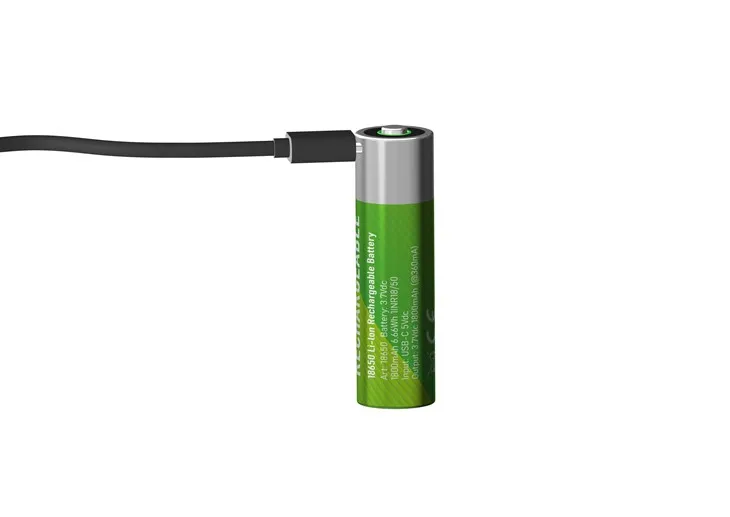
If you're interested in purchasing rechargeable lithium batteries, we offer a wide range of products, including the USB Rechargeable AAA Lithium Battery and the 18650A Battery (18650A Battery). Our batteries are designed to meet the highest standards of quality and performance, and we can provide customized solutions to meet your specific needs. If you have any questions or would like to discuss your battery requirements, please don't hesitate to contact us. We look forward to working with you.
References
- "Lithium-Ion Batteries: Science and Technologies" by Yoshio Matsuda, Akiya Kozawa, and Masaki Yoshio
- "Battery Management Systems: Design by Modelling" by Andrei V. Savkin and Quoc Tran-Duc
- "Handbook of Batteries" by David Linden and Thomas B. Reddy