

Rechargeable double A lithium batteries have gained significant popularity in recent years due to their high energy density, long lifespan, and low self - discharge rate. As a supplier of these advanced power sources, I often encounter questions from customers about their behavior during overcharging. In this blog, I will delve into the science behind how rechargeable double A lithium batteries behave when overcharged, the potential risks, and preventive measures.
Understanding the Basics of Rechargeable Double A Lithium Batteries
Before discussing overcharging, it's essential to understand the fundamental structure and working principles of rechargeable double A lithium batteries. These batteries typically use lithium - ion or lithium - polymer chemistries. Lithium - ion batteries consist of a cathode, an anode, a separator, and an electrolyte. During charging, lithium ions move from the cathode to the anode through the electrolyte, and during discharge, they move back to the cathode.
The nominal voltage of a rechargeable double A lithium battery is around 3.7V, which is significantly higher than traditional alkaline batteries (1.5V). This higher voltage allows for more power to be stored in a smaller space, making them ideal for high - drain devices such as digital cameras, flashlights, and portable gaming consoles.
The Process of Overcharging
Overcharging occurs when a battery is continuously charged beyond its recommended voltage and capacity. In a normal charging process, once the battery reaches its full capacity, the charging current should be reduced or stopped. However, if the charging circuit malfunctions or the user uses an incompatible charger, overcharging can happen.
When a rechargeable double A lithium battery is overcharged, several chemical and physical reactions take place inside the battery. First, the excess charging current causes the lithium ions to accumulate at the anode. As more lithium ions are forced into the anode, the structure of the anode material can become unstable. This instability can lead to the formation of lithium metal deposits on the anode surface, a phenomenon known as lithium plating.
Lithium plating is a serious issue because it can cause short - circuits within the battery. The lithium metal deposits can grow and penetrate the separator, which is designed to prevent direct contact between the anode and the cathode. Once the separator is breached, the anode and the cathode come into contact, creating a short - circuit. A short - circuit can generate a large amount of heat, which can further accelerate the chemical reactions inside the battery and increase the risk of thermal runaway.
Thermal Runaway and Its Consequences
Thermal runaway is a self - sustaining reaction that occurs when the heat generated inside the battery cannot be dissipated quickly enough. As the temperature of the battery rises, the chemical reactions inside the battery become more exothermic, releasing even more heat. This positive feedback loop can cause the battery temperature to increase rapidly, leading to a series of dangerous consequences.
One of the most significant risks of thermal runaway is battery swelling. As the temperature rises, the electrolyte inside the battery can vaporize, causing the battery to expand. In severe cases, the battery can rupture, releasing toxic and flammable gases. These gases can pose a fire and explosion hazard, especially in enclosed spaces.
In addition to swelling and rupture, overcharging can also lead to a significant reduction in battery life. The chemical reactions during overcharging can damage the electrode materials and the electrolyte, reducing the battery's ability to store and release energy. This means that an overcharged battery may have a shorter lifespan and a lower capacity than a properly charged battery.
Safety Features to Prevent Overcharging
To mitigate the risks associated with overcharging, most rechargeable double A lithium batteries are equipped with built - in safety features. These features include overcharge protection circuits (OCPs) and thermal fuses.
An overcharge protection circuit is a small electronic device that monitors the battery voltage during charging. Once the battery voltage reaches the recommended maximum voltage, the OCP automatically stops the charging current. This ensures that the battery is not overcharged, even if the charger malfunctions.
Thermal fuses are another important safety feature. A thermal fuse is a small device that melts at a specific temperature. When the battery temperature rises above the safe limit, the thermal fuse melts, breaking the electrical circuit and stopping the charging process. This helps to prevent thermal runaway and protect the battery from damage.
Real - World Examples and Case Studies
There have been several real - world examples of the dangers of overcharging rechargeable lithium batteries. In some cases, overcharged batteries have caused fires in electronic devices, leading to property damage and even injuries. These incidents highlight the importance of using compatible chargers and following the manufacturer's charging instructions.
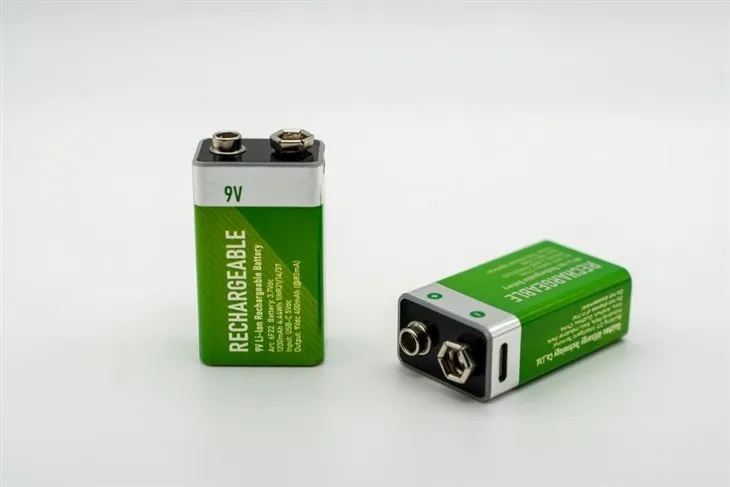

As a supplier, I always recommend my customers to use chargers that are specifically designed for rechargeable double A lithium batteries. Using an incompatible charger can not only increase the risk of overcharging but also void the battery's warranty.
Our Product Range and Related Links
In addition to rechargeable double A lithium batteries, our company also offers a wide range of other rechargeable lithium batteries. For example, we have Rechargeable Lithium C Cell Battery, which is suitable for larger devices that require more power. Our 9V Lithium Polymer Rechargeable Battery is ideal for smoke detectors and other low - drain devices. And our Lithium Ion Type 18650 Rechargeable Battery is widely used in laptops, power banks, and electric vehicles.
Contact Us for Purchasing
If you are interested in our rechargeable double A lithium batteries or any other products in our range, we welcome you to contact us for purchasing and further discussions. Our team of experts is always ready to provide you with detailed product information, technical support, and competitive pricing.
References
- Linden, D., & Reddy, T. B. (2002). Handbook of Batteries. McGraw - Hill.
- Tarascon, J. M., & Armand, M. (2001). Issues and challenges facing rechargeable lithium batteries. Nature, 414(6861), 359 - 367.
- Liu, J., Winter, M., & Brodd, R. J. (2010). Lithium Batteries: Science and Technology. Springer.