

When it comes to powering various devices, 9V batteries are a common choice. As an OEM 9V battery supplier, I often encounter questions from customers about the cost comparison between OEM 9V batteries and rechargeable 9V batteries. In this blog post, I'll delve into the cost - related aspects of these two types of batteries to help you make an informed decision.
Initial Purchase Cost
The first aspect to consider is the initial purchase cost. OEM 9V batteries are typically sold at a relatively low price per unit. They are widely available in stores and can be easily purchased in bulk. For example, a pack of four OEM 9V alkaline batteries might cost around $5 - $10, depending on the brand and the retailer. These batteries are ready to use right out of the package, which makes them a convenient option for many consumers.
On the other hand, rechargeable 9V batteries usually have a higher upfront cost. A single rechargeable 9V battery can cost anywhere from $5 to $15, and you also need to invest in a charger. A basic charger for 9V rechargeable batteries can cost around $10 - $20. So, if you're looking at getting a battery and a charger together, you're likely to spend at least $15 - $35 initially. This higher initial investment can be a deterrent for some consumers, especially those who only need batteries occasionally.
Long - Term Cost
While the initial cost of rechargeable 9V batteries is higher, the long - term cost can be significantly different. OEM 9V batteries are disposable. Once they run out of power, you need to throw them away and buy new ones. If you use 9V batteries frequently, say for a smoke detector or a wireless microphone, the cost of constantly replacing these batteries can add up over time.
Let's do some simple math. Suppose you use one 9V battery per month for a device. If an OEM 9V battery costs $2.5, then in a year, you'll spend $2.5×12 = $30. Over five years, that's $30×5 = $150.

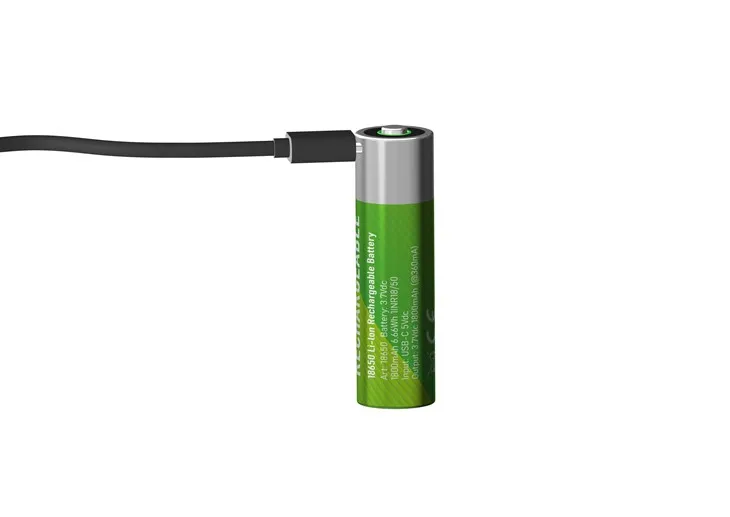
Rechargeable 9V batteries, on the other hand, can be recharged hundreds of times. Most rechargeable 9V batteries can withstand 500 - 1000 charge - discharge cycles. If you assume a conservative estimate of 500 cycles and you recharge the battery once a month, a single rechargeable battery can last over 40 years. Even factoring in the initial cost of the battery and the charger, the long - term cost is much lower. For instance, if you spend $15 on a battery and $15 on a charger (a total of $30), and it lasts you 40 years, the annual cost is less than $1.
Energy Efficiency and Cost
Another factor related to cost is energy efficiency. OEM 9V alkaline batteries have a certain energy capacity, which is typically measured in milliampere - hours (mAh). However, as the battery discharges, its voltage gradually drops. This means that towards the end of its life, the device may not function optimally, and you may need to replace the battery even though there is still some energy left in it.
Rechargeable 9V batteries, especially those of high - quality, tend to maintain a more stable voltage throughout the discharge cycle. This means that they can deliver more of their stored energy to the device, making them more energy - efficient. In terms of cost, this efficiency translates to getting more use out of each charge, reducing the frequency of recharging and ultimately saving you money in the long run.
Environmental Cost
Although not a direct financial cost, the environmental cost is an important consideration. OEM 9V disposable batteries end up in landfills after use. These batteries contain chemicals such as mercury, lead, and cadmium, which can leach into the soil and water, causing environmental pollution. As environmental regulations become stricter, there may be additional costs associated with proper disposal of these batteries in the future.
Rechargeable 9V batteries, by contrast, reduce the amount of battery waste. Since they can be reused, fewer batteries are discarded, which is better for the environment. Some regions even offer incentives for using rechargeable batteries, which could potentially offset some of the initial cost.
Applications and Cost - Benefit Analysis
The choice between OEM 9V batteries and rechargeable 9V batteries also depends on the application. For low - drain devices that are used infrequently, such as a backup flashlight, OEM 9V batteries may be a more cost - effective option. The low initial cost and the fact that you don't need to worry about recharging make them a convenient choice.
For high - drain devices that are used frequently, like a professional audio mixer or a power - hungry toy, rechargeable 9V batteries are the better long - term investment. The stability of voltage and the lower long - term cost make them ideal for these types of applications.
Comparing with Other Rechargeable Options
It's also worth mentioning some other rechargeable battery options that are related to the 9V concept. For example, the 18650A Battery is a popular rechargeable lithium battery. While it's not a 9V battery directly, multiple 18650A batteries can be combined to achieve a higher voltage. Similarly, the Rechargeable Lithium 123 and Lithium Ion Type 18650 Rechargeable Battery offer different voltage and capacity options. These alternatives may have different cost structures and performance characteristics compared to 9V rechargeable batteries, but they are part of the broader rechargeable battery landscape.
Conclusion
In conclusion, the cost comparison between OEM 9V batteries and rechargeable 9V batteries is complex. While OEM 9V batteries have a lower initial cost, rechargeable 9V batteries offer significant long - term savings, better energy efficiency, and environmental benefits. When making a decision, you need to consider your specific usage requirements, the type of device you're powering, and your long - term plans.
If you're interested in exploring our range of OEM 9V batteries, we'd love to have a conversation with you. Whether you're a small business looking for reliable power sources or an individual with specific battery needs, we can provide customized solutions. Contact us to start a procurement discussion and find out how our OEM 9V batteries can meet your requirements.
References
- Battery University: A comprehensive resource on battery technology and performance.
- Consumer Reports: Provides independent reviews and cost - benefit analyses of various battery products.