

Do lithium AAA rechargeable batteries have a memory effect? That's a question I get asked a lot as a supplier of lithium AAA rechargeable batteries. Let's dig into this topic and clear up some common misconceptions.
First off, what's the memory effect? The memory effect is a phenomenon where rechargeable batteries "remember" a partial discharge and gradually lose their maximum energy capacity. It mainly occurs in nickel-cadmium (NiCd) batteries. When these batteries are repeatedly recharged after only being partially discharged, they start to "think" that the partial charge level is their full capacity. Over time, this leads to a reduced overall capacity, and you'll notice that the battery doesn't last as long between charges.
Now, let's talk about lithium AAA rechargeable batteries. The good news is that lithium-based batteries, including lithium AAA rechargeables, generally don't suffer from the memory effect. Unlike NiCd batteries, lithium chemistry doesn't have that "memory" characteristic. You can recharge your lithium AAA batteries at any time, whether they're fully discharged, partially discharged, or even still mostly full. It won't cause any long - term degradation of the battery's capacity due to the so - called memory effect.
One of the reasons for this is the way lithium ions move within the battery during charging and discharging. In a lithium battery, lithium ions flow from the anode to the cathode during discharge and back again during charging. This process is relatively stable and doesn't create the kind of internal changes that lead to the memory effect in NiCd batteries.
Another factor is the materials used in lithium batteries. The electrodes and electrolytes in lithium AAA rechargeable batteries are designed to maintain a consistent chemical reaction over many charge - discharge cycles. This stability ensures that the battery can perform reliably without being affected by how you charge it.
As a supplier of lithium AAA rechargeable batteries, I've seen firsthand the benefits of this technology. Customers often come to me worried about battery performance and the need to follow strict charging routines. But with lithium AAA rechargeables, they can relax. They can charge their devices whenever it's convenient, and the batteries will still deliver consistent power over time.
Let me give you some examples of how this lack of memory effect can be useful in real - life situations. Say you're using lithium AAA rechargeable batteries in a wireless mouse. You might not always use the mouse until the batteries are completely dead. With a battery that has a memory effect, this could lead to reduced battery life over time. But with lithium AAA rechargeables, you can just pop them into the charger whenever you notice the mouse starting to slow down, and the batteries will continue to work as expected.
Or, if you're using these batteries in a remote - controlled toy for your kids. Kids are not always going to use the toy until the batteries are fully drained. They might get distracted and put the toy away with the batteries still partially charged. With lithium AAA rechargeables, you don't have to worry about that affecting the long - term performance of the batteries.

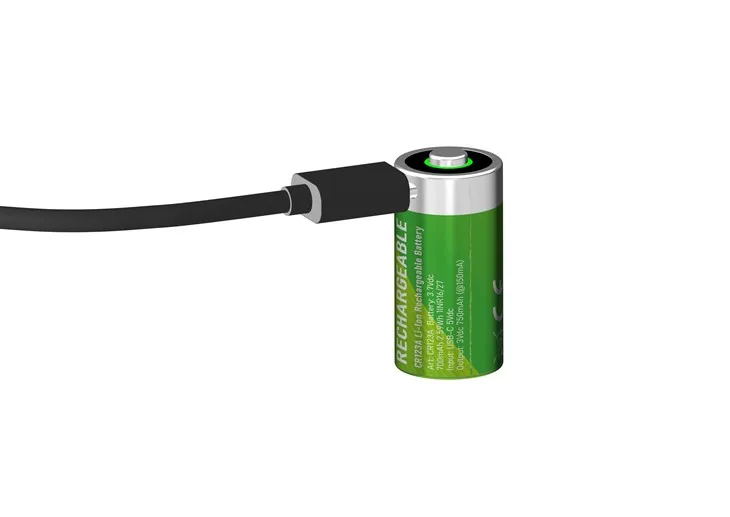
Now, while lithium AAA rechargeable batteries don't have a memory effect, it's still important to take good care of them. For example, extreme temperatures can affect the performance and lifespan of lithium batteries. High temperatures can speed up the chemical reactions inside the battery, which might lead to faster degradation. On the other hand, very low temperatures can reduce the battery's ability to deliver power. So, it's best to store and use your lithium AAA rechargeable batteries in a moderate temperature environment.
Also, using the right charger is crucial. A high - quality charger will ensure that the batteries are charged safely and efficiently. It will prevent overcharging, which can also damage the batteries over time.
If you're in the market for reliable and convenient power sources, besides lithium AAA rechargeable batteries, we also offer other great products. Check out our USB Rechargeable 9 Volt Battery, which is perfect for powering small electronic devices. We also have Rechargeable Lithium 123 batteries, which are commonly used in cameras and other high - drain devices. And for those who need more power, our Rechargeable C Battery Pack is a great option.
In conclusion, lithium AAA rechargeable batteries are a fantastic choice for anyone looking for a hassle - free power solution. The absence of the memory effect means you can use and charge them with ease, without having to worry about long - term capacity loss. If you're interested in purchasing our lithium AAA rechargeable batteries or any of our other products, we'd love to have a chat with you about your specific needs. Whether you're a consumer looking for batteries for your household devices or a business in need of a bulk supply, we're here to help. Contact us to start a procurement discussion and find out how our high - quality lithium rechargeable batteries can meet your power requirements.
References
- Linden, D., & Reddy, T. B. (2002). Handbook of Batteries. McGraw - Hill.
- Arora, P., & Zhang, J. - G. (2004). Review of selected electrode - electrolyte interactions which determine the performance of Li and Li - ion batteries. Journal of the Electrochemical Society, 151(4), A466 - A480.