

As an OEM AA lithium battery supplier, I've encountered numerous inquiries from clients regarding the impact of humidity on our products. This topic is not only crucial for understanding battery performance but also for ensuring the longevity and reliability of our lithium batteries. In this blog post, I'll delve into the scientific aspects of how humidity affects OEM AA lithium batteries, drawing on my experience in the industry and the latest research findings.
Understanding Lithium Batteries
Before we discuss the effects of humidity, it's essential to understand the basic structure and operation of lithium batteries. Lithium batteries are a type of rechargeable battery that uses lithium ions as the primary charge carriers. They are known for their high energy density, long cycle life, and low self - discharge rate, making them popular in a wide range of applications, from consumer electronics to industrial equipment.
Our OEM AA lithium batteries are designed to meet the specific needs of our customers. They are engineered with high - quality materials and advanced manufacturing processes to ensure optimal performance. We also offer a variety of related products, such as Rechargeable Lithium 123 and 18650A Battery from our 18650A Battery factory, which share some similarities in terms of the fundamental principles of lithium battery operation.
The Impact of Humidity on Lithium Batteries
Humidity refers to the amount of water vapor present in the air. When it comes to lithium batteries, humidity can have several significant effects on their performance and lifespan.
1. Corrosion of Battery Components
One of the most immediate and visible effects of high humidity on lithium batteries is the corrosion of battery components. The water vapor in the air can react with the metal parts of the battery, such as the terminals and the casing. Corrosion can lead to an increase in electrical resistance at the terminals, which in turn can cause a drop in the battery's output voltage. This means that the battery may not be able to deliver the same amount of power as it would under normal conditions.
For example, if an OEM AA lithium battery is stored in a high - humidity environment for an extended period, the terminals may start to develop a layer of rust or oxidation. This rust can act as an insulator, preventing the efficient flow of electrons between the battery and the device it powers. Over time, this can lead to reduced battery performance and even complete failure.
2. Electrolyte Degradation
The electrolyte in a lithium battery is a crucial component that allows the lithium ions to move between the anode and the cathode. High humidity can cause the electrolyte to absorb water molecules. When water enters the electrolyte, it can react with the lithium salts present in it, leading to the formation of by - products. These by - products can reduce the conductivity of the electrolyte, making it more difficult for the lithium ions to move freely.
As a result, the battery's charge and discharge efficiency can be significantly affected. The battery may take longer to charge, and it may not be able to hold a charge as well as it did before. In extreme cases, the degradation of the electrolyte can lead to the formation of internal short - circuits, which can be dangerous and cause the battery to overheat or even explode.
3. Increased Self - Discharge Rate
Humidity can also increase the self - discharge rate of lithium batteries. Self - discharge is the process by which a battery loses its charge over time even when it is not connected to a device. When a battery is exposed to high humidity, the water vapor can create a conductive path on the surface of the battery, allowing electrons to flow freely and causing the battery to lose its charge more quickly.
This is particularly problematic for applications where the battery needs to be stored for long periods before use. For instance, if a device uses an OEM AA lithium battery and is stored in a warehouse with high humidity, the battery may have a significantly reduced charge by the time the device is ready to be used.
Optimal Humidity Conditions for Lithium Batteries
To ensure the best performance and lifespan of our OEM AA lithium batteries, it is recommended to store and use them in environments with a relative humidity between 20% and 60%. This range provides a balance between preventing the negative effects of high humidity and avoiding the problems associated with extremely low humidity.
In low - humidity environments, the air is very dry, which can cause the electrolyte in the battery to dry out over time. This can lead to a decrease in the battery's capacity and performance. Therefore, maintaining a moderate level of humidity is crucial for the proper functioning of lithium batteries.
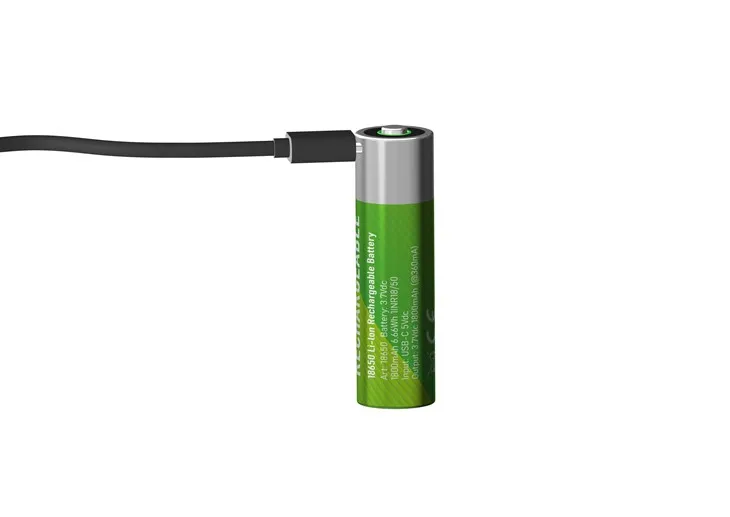

Protecting Lithium Batteries from Humidity
As an OEM AA lithium battery supplier, we take several measures to protect our batteries from the harmful effects of humidity.
1. Packaging
We use high - quality packaging materials that are designed to provide a barrier against moisture. Our batteries are typically sealed in airtight packages that prevent water vapor from entering. This helps to maintain the integrity of the battery components and the electrolyte during storage and transportation.
2. Coatings and Sealants
We also apply special coatings and sealants to the battery terminals and the casing to prevent corrosion. These coatings act as a protective layer, preventing the water vapor from coming into contact with the metal parts of the battery.
3. Storage and Handling Recommendations
We provide our customers with detailed storage and handling recommendations to ensure that the batteries are used and stored in optimal conditions. This includes advice on storing the batteries in a dry, cool place and avoiding exposure to high - humidity environments.
Conclusion
In conclusion, humidity can have a significant impact on the performance and lifespan of OEM AA lithium batteries. High humidity can lead to corrosion of battery components, electrolyte degradation, and an increased self - discharge rate. On the other hand, extremely low humidity can also cause problems such as electrolyte drying. Therefore, it is essential to store and use lithium batteries in environments with a relative humidity between 20% and 60%.
As an experienced OEM AA lithium battery supplier, we are committed to providing our customers with high - quality batteries that are designed to withstand a wide range of environmental conditions. We also offer a range of related products, such as Rechargeable Lithium 123 and 18650A Battery from our 18650A Battery factory, which are engineered to meet the highest standards of quality and performance.
If you are interested in purchasing our OEM AA lithium batteries or have any questions about how humidity affects battery performance, please feel free to contact us for further discussion and procurement negotiation. We look forward to working with you to meet your battery needs.
References
- Linden, D., & Reddy, T. B. (2002). Handbook of Batteries. McGraw - Hill.
- Tarascon, J. M., & Armand, M. (2001). Issues and challenges facing rechargeable lithium batteries. Nature, 414(6861), 359 - 367.