

In particular during manufacturing processes such as electrode plate production involving slurry mixing and coating operations significant amounts of highly concentrated NMP (N-Methylpyrrolidone) exhaust gas are emitted posing risks to both air quality and worker safety despite its potential for efficient reclamation due to its singular composition. Moreover without proper treatment potentially hazardous substances within battery materials could contaminate natural surroundings via leaching dismantling or natural decay.
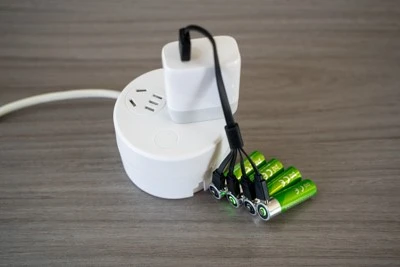
As we transition into the recycling phase inadequate disposal methods for spent lithium-ion batteries could result in harmful components escaping into our surroundings leading to contamination of soil and water sources while solvents acids bases among other chemicals utilized during this process if mishandled would further contribute towards polluting landmasses aquatic ecosystems notably adding an energy-intensive aspect that increases greenhouse gas emissions like carbon dioxide thereby compounding global climate change concerns.
In order to address these pressing environmental issues it is imperative that robust strategies aimed at protecting our environment be put into action including improving emission control efficiency for exhaust gases wastewater solid waste ensuring compliance with established environmental standards encouraging greater accountability from battery manufacturers across their product life cycles advancing innovative technologies for enhanced resource recovery rates alongside implementing comprehensive management frameworks supported by stringent legislation governing environmental protections By effectively executing these measures we can significantly diminish adverse impacts stemming from lithium-ion battery production & recycle activities propelling industry toward a more sustainable eco-friendly future.