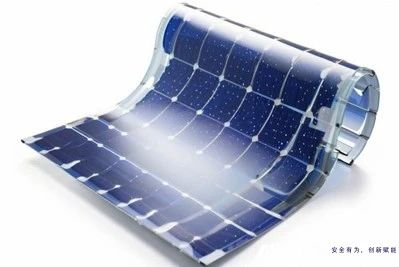
As flexible electronics technology rapidly advances, the trade-off between battery flexibility and energy density has long been a challenge. Researchers at the Institute of Metal Research under the Chinese Academy of Sciences (CAS) have now overcome this hurdle. Their newly developed flexible solid-state battery not only withstands 20,000 bending cycles without performance degradation but also achieves an 86% increase in energy density. This breakthrough, published in Advanced Materials, marks a significant milestone for China in the field of flexible energy storage.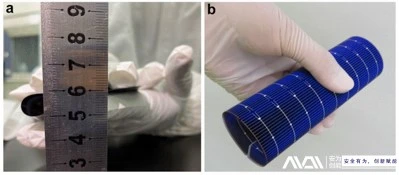
Technical Breakthrough: Molecular-Level Integrated Interface Design
Traditional solid-state batteries suffer from poor electrode-electrolyte contact, leading to inefficient ion transport. The research team innovatively introduced ethoxy groups (for ion conduction) and short sulfur chains (for electrochemical activity) into the polymer backbone, creating a molecular-scale "ion overpass." This design significantly reduces ion transport resistance while enabling dynamic conduction mode switching based on potential, ensuring stable performance even under extreme deformation.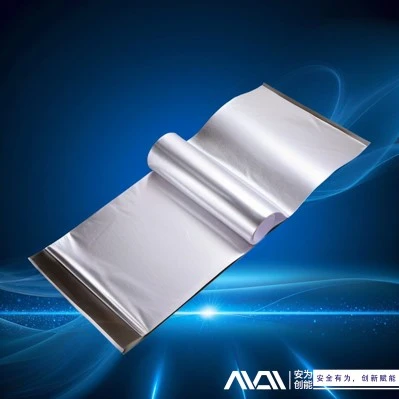
Test Data: No Degradation After 20,000 Bends
In lab tests, the battery maintained over 98% of its initial charge-discharge efficiency after being bent 20,000 times by robotic arms-far exceeding industry standards. Its energy density reached 350 Wh/kg, an 86% improvement over conventional solid-state batteries, providing longer-lasting power for flexible electronics.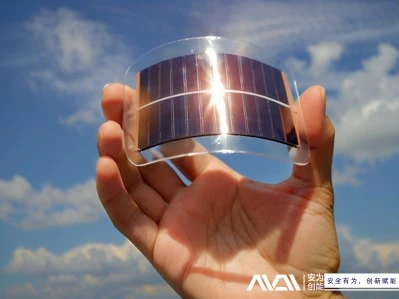
Applications: Revolutionizing Wearables and Healthcare
This technology will first transform wearable devices. Flexible batteries can be woven into fabrics like textiles, eliminating the need for external power in smart clothing. In healthcare, their high safety and long lifespan (expected to exceed 10 years) will enable "invisible" implants such as pacemakers. Additionally, they could be used in foldable smartphones and flexible displays.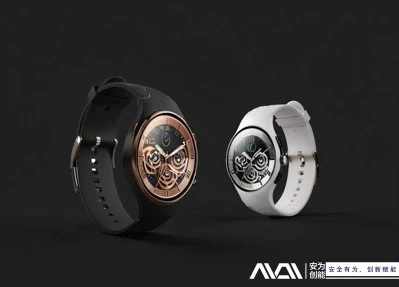
Social Impact: Technology affordable solutions&industrial upgrading
Despite its promising future, high initial costs may widen technological disparities. Drawing on China's success in renewable energy, a collaborative "industry-academia-research-application" model is needed to pilot affordable solutions in medical and emergency fields. As industrialization progresses, flexible batteries may become a cornerstone of next-generation energy storage.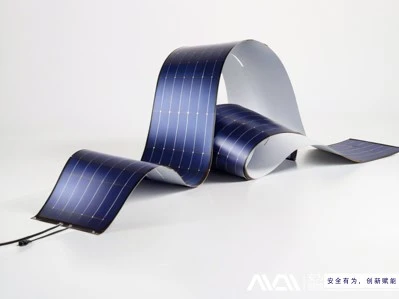
Future Challenges: Scaling Up and Commercialization
While lab results are impressive, mass production faces hurdles. Reducing manufacturing costs, improving yield rates, and establishing unified standards are critical next steps. The team plans to partner with companies to accelerate commercialization, aiming for market readiness within five years.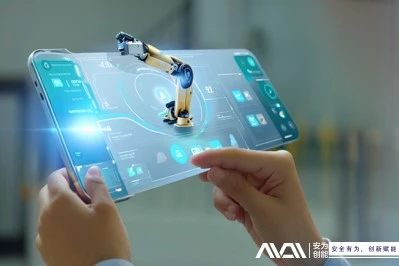
Conclusion: Flexible Batteries started new era of human-device interaction
This breakthrough resolves key technical limitations of flexible batteries while redefining human-device interaction. As the technology matures, it will evolve electronics from tools to extensions of the human body, unlocking new possibilities. China's leadership in this field also offers fresh insights for global energy storage development.