

With the rapid development of the global new energy vehicle (NEV) industry, lithium-ion batteries, as the core power source, have seen exponential growth in demand. However, the impending wave of retired lithium-ion batteries is bringing unprecedented opportunities and challenges to the recycling sector. According to authoritative forecasts, China's power battery recycling market is expected to exceed 100 billion yuan by 2030, becoming a veritable "blue ocean" sector. The explosion of this industry is not only crucial for resource recycling but also for environmental protection and sustainable development.
Green Opportunities in the Billion-Dollar Market
1. "Urban Mining" for Resource Recycling
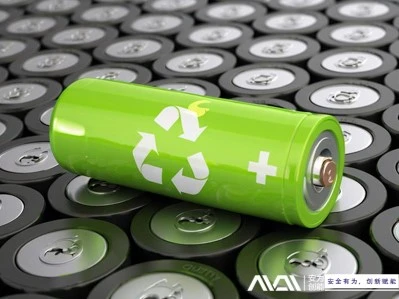
Lithium-ion batteries contain rare metals such as nickel, cobalt, and lithium, which are key raw materials for manufacturing new batteries. As global prices for lithium, cobalt, and other resources fluctuate sharply, recycling retired batteries to extract these metals has become a vital way to alleviate resource shortages. Take CATL as an example: in 2023, it recycled 100,000 tons of spent batteries, producing 13,000 tons of lithium carbonate with a lithium recovery rate of 91% and a nickel-cobalt-manganese recovery rate of 99.6%. This efficient resource recycling model not only reduces reliance on primary mineral resources but also significantly cuts carbon emissions from mining.
2. Environmental Benefits and Carbon Neutrality Goals
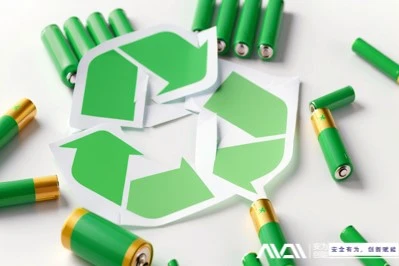
The rise of the lithium-ion battery recycling industry is of great significance for achieving carbon neutrality goals. Improper disposal of spent batteries can lead to safety hazards such as explosions and corrosion, as well as soil and water pollution. Professional recycling can effectively avoid these issues and achieve full-lifecycle carbon neutrality. The European Union's "Batteries and Waste Batteries Regulation" explicitly requires carbon footprint declarations and battery passports to reduce lifecycle carbon emissions. China is also actively building a national-level traceability management platform for the full lifecycle of power batteries, using unique codes to trace batteries from production to recycling, ensuring maximum environmental benefits.
3. Policy Support and Market-Driven Growth
Governments worldwide are introducing policies to support the development of the lithium-ion battery recycling industry. The U.S. Department of Energy has provided over $192 million for battery recycling, while the EU has set recycling targets for spent batteries through its regulation. In China, policies such as the "Administrative Measures for the Recycling and Utilization of Power Batteries for New Energy Vehicles" are driving the construction of recycling systems. On the market side, with the NEV stock exceeding 24.72 million units (as of June 2024), the volume of retired batteries is surging, providing ample raw materials for the recycling industry.
Challenges Behind the Industry's Explosion
1. Technological Bottlenecks and Lack of Standards
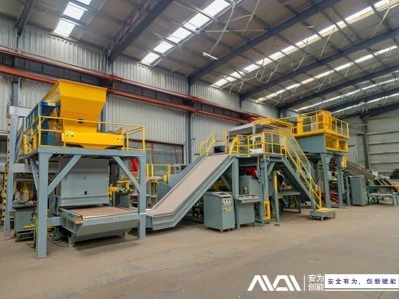
Despite progress in lithium-ion battery recycling technology, significant bottlenecks remain. For example, inaccurate measurement of residual charge, unclear standards for battery repurposing and residual value, and other issues lead to low recycling efficiency. Additionally, the diversity and complexity of domestic power battery packs make automated disassembly and material sorting technologies immature, with manual disassembly still the mainstream, posing safety risks and efficiency problems. Meanwhile, the lack of standards for the use of recycled materials in batteries and a lifecycle carbon emission accounting system hinders the industry's large-scale development.
2. Informal Workshops Disrupting Market Order
The lithium-ion battery recycling market is plagued by "small, scattered, and disordered" operations, with numerous informal workshops lacking production qualifications and technological accumulation grabbing market share. These workshops acquire resources by bidding up recycling prices, leading to underutilized production capacity and poor profitability for formal enterprises. According to statistics, as of 2023, the standardized recycling rate of NEV power batteries in China was less than 25%, with 60-70% of the business absorbed by informal channels. The illegal disassembly and smelting processes of these workshops often cause severe environmental pollution and pose safety hazards.
3. Insufficient Industrial Chain Synergy
Lithium-ion battery recycling involves multiple links, including battery manufacturers, automobile manufacturers, and recycling enterprises. Insufficient industrial chain synergy leads to poor information flow and resource waste. For example, automakers often do not fully consider subsequent repurposing and disassembly needs when assembling batteries, selling retired batteries through auctions to the highest bidder without screening recycling agency qualifications. Additionally, numerous intermediaries in the battery recycling supply chain increase transaction costs and time costs.
4. International Competition and Trade Barriers
With the globalization of the lithium-ion battery recycling industry, international competition is intensifying. The EU and other regions are imposing stricter recycling rates and recycled content usage ratios through legislation, posing challenges to China's lithium battery material exports. Meanwhile, strict international requirements for battery carbon footprints are forcing Chinese enterprises to accelerate technological innovation and green transformation. However, China still lacks specialized laws and regulations for spent battery recycling and carbon footprint accounting and evaluation work, affecting its international competitiveness.
Countermeasures and Future Prospects
1. Strengthen Technological Innovation and Standard Setting
To address technological bottlenecks, R&D investment should be increased to drive breakthroughs in key technologies such as intelligent flexible disassembly and rapid detection and sorting. Meanwhile, standards for retired battery discharge, storage, repurposed products, and other aspects should be accelerated to clarify measurement standards for battery residual value and improve industry standardization.
2. Tighten Market Access and Regulatory Oversight
The government should raise the entry threshold for the lithium-ion battery recycling industry, strengthen the rectification of informal workshops, and promote their formalization or shutdown. Meanwhile, a traceability management system should be established to monitor the entire flow of batteries and ensure that spent batteries flow to compliant enterprises.
3. Promote Industrial Chain Synergy and Model Innovation
Automakers, battery enterprises, and recycling enterprises should be encouraged to establish industrial alliances to achieve data and resource sharing. The exploration of a full industrial chain closed-loop model from "production-use-collection-repurposing-recycling" should be promoted to improve resource utilization efficiency. Meanwhile, innovative business models, such as battery leasing and sharing, should be explored to extend battery lifespan and reduce the volume of retired batteries.
4. Strengthen International Cooperation and Standard Alignment
China should actively participate in the formulation of international battery recycling standards and promote alignment with international standards. Cooperation with the EU and other regions should be strengthened to jointly address global lithium-ion battery recycling challenges. Meanwhile, enterprises should be encouraged to "go global" and establish recycling bases overseas to expand international markets.
The explosion of the lithium-ion battery recycling industry presents both green opportunities for resource recycling and a necessity for environmental protection and sustainable development. Facing challenges such as technological bottlenecks, market disorder, insufficient industrial chain synergy, and international competition, multi-pronged measures, including technological innovation, standard setting, market regulation, industrial chain synergy, and international cooperation, should be taken to promote the healthy and orderly development of the industry. In the future, with the continuous improvement of policies and technological progress, the lithium-ion battery recycling industry is expected to become a key force in driving global energy transformation and achieving carbon neutrality goals.