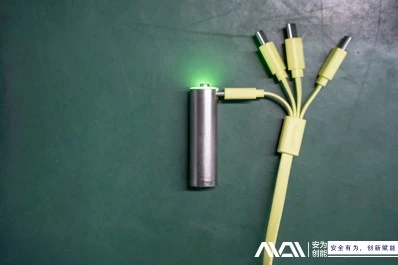
I. Working Principle and Common Faults of Lithium Batteries
(A) Working Principle
The working process of lithium batteries is based on the movement of lithium ions between the positive and negative electrodes. During charging, lithium ions are deintercalated from the positive electrode, pass through the electrolyte, and are intercalated into the negative electrode. During discharging, lithium ions are deintercalated from the negative electrode and return to the positive electrode. In this cycle, electrons flow from the negative electrode to the positive electrode through the external circuit, generating an electric current to power the device. The characteristics of the positive and negative electrode materials and the conductivity of the electrolyte jointly determine key performance indicators of lithium batteries such as energy density, charge-discharge rate, and cycle life. For example, common cobalt lithium oxide positive electrode materials have high energy density but relatively poor cycle stability, while lithium iron phosphate positive electrode materials are widely recognized for their excellent safety and long cycle life.
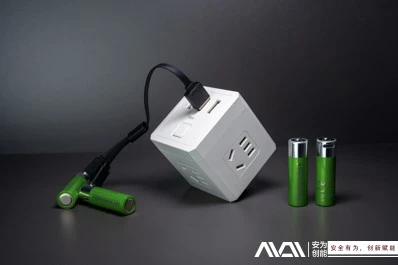
(B) Common Fault Types
Capacity Fading: This is one of the most common faults of lithium batteries. As the battery's usage time increases, the amount of electricity it can store gradually decreases, leading to a significant reduction in the device's battery life. The main reasons for capacity fading include structural changes in the positive and negative electrode materials, electrolyte decomposition, and side reactions within the battery. For instance, using lithium batteries in high-temperature environments accelerates electrolyte decomposition and exacerbates capacity fading.
Increased Internal Resistance: An increase in battery internal resistance causes more heat to be generated when current passes through, not only reducing the battery's charge-discharge efficiency but also potentially leading to overheating and safety hazards. Factors contributing to increased internal resistance include electrode material aging and poor contact between the electrode and electrolyte.
Battery Swelling: Battery swelling is usually caused by increased internal pressure, which may be due to severe side reactions within the battery that generate a large amount of gas, or external forces such as squeezing, overcharging, or over-discharging the battery. Once battery swelling occurs, it must be immediately stopped from being used as it poses a serious threat to battery safety.
Open Circuit or Short Circuit: An open circuit may be caused by loose electrode connections, electrode material fractures, etc., resulting in the battery's inability to discharge normally. A short circuit is even more dangerous and may be due to damage to the separator inside the battery, causing direct contact between the positive and negative electrodes, instantaneously generating a large current, and triggering overheating or even fire and explosion.
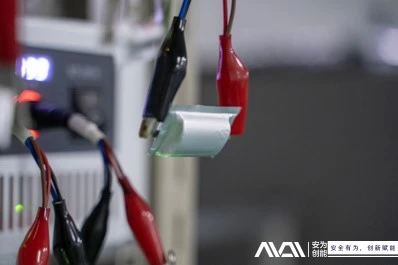
II. Feasibility and Considerations for Repairing Lithium Batteries
(A) Repair Methods
Cell Replacement: When some cells in a lithium battery pack exhibit severe capacity fading or damage, the battery pack can be repaired by replacing the damaged cells. For example, in some electric vehicle lithium battery packs, if individual cells are detected to have abnormal performance, professional maintenance personnel will use specialized equipment to separate the damaged cells from the battery pack, replace them with new cells of the same model, and then re-match and debug the battery pack.
Balanced Charging: For battery packs with inconsistent voltages among the cells, balanced charging is an effective repair method. Through a dedicated balanced charger, additional charging is provided to cells with lower voltages to balance the voltages of all cells in the battery pack, thereby improving the overall performance of the entire battery pack.
Sulfation Repair: In some lead-acid lithium batteries, sulfation occurs, leading to reduced battery performance. For lithium batteries that operate on a similar principle, specific repair equipment can be used to eliminate sulfates on the battery plates and restore some of the battery's performance through pulse current technology.
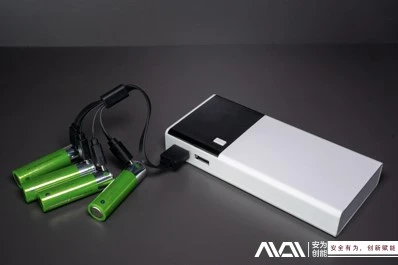
(B) Repair Costs
Material Costs: The material costs for repairing lithium batteries mainly depend on the replaced components. For example, when replacing cells, the price of the cells varies depending on the brand, model, and capacity. Generally, high-quality cells are relatively more expensive. In addition, some connection materials, insulation materials, etc., may also need to be purchased, and although these material costs are relatively small, they still increase the overall repair costs.
Labor Costs: Lithium battery repair requires professional technicians and equipment, and labor costs account for a significant proportion of the repair fees. Professional maintenance personnel need to possess knowledge of electronic circuits, battery technology, and relevant repair experience. They invest a large amount of time and effort in detecting battery faults, performing repair operations, and debugging after repairs. Labor fee standards also vary across different regions and maintenance institutions.
(C) Technical Difficulty and Safety Risks
Technical Difficulty: Lithium battery repair has high technical requirements. Maintenance personnel need to accurately determine the cause of battery faults, which requires rich experience and professional detection equipment. For example, it is not easy to determine whether battery capacity fading is due to cell aging, increased internal resistance, or other reasons. When performing operations such as cell replacement, it is also necessary to strictly follow operating procedures to ensure welding quality, connection reliability, and that the overall performance of the battery pack is not affected.
Safety Risks: Lithium batteries store a large amount of energy, and if operated improperly during the repair process, safety accidents are highly likely to occur. For instance, if a positive and negative electrode short circuit occurs accidentally during battery pack disassembly, it may instantly generate high temperatures, causing a fire or even an explosion. In addition, the electrolyte in the battery is corrosive and can cause harm if it comes into contact with the skin or eyes. Therefore, maintenance personnel must wear professional protective equipment and perform repair operations in environments with safety protection measures.
III. Pros and Cons of Directly Replacing New Lithium Batteries
(A) Advantages
Performance Guarantee: New lithium batteries have better performance in terms of capacity, charge-discharge efficiency, and cycle life. For example, in electric vehicles, after replacing with new lithium batteries, the vehicle's driving range can be significantly increased, and the charging time may also be shortened, providing users with a better usage experience.
Safety and Reliability: New batteries do not have safety hazards accumulated from long-term use, such as battery swelling or short circuits. During use, users do not need to worry about safety accidents caused by battery faults and can use the device more confidently.
Convenience and Time-Saving: Directly replacing a new battery eliminates the need to spend time and effort searching for maintenance institutions, assessing repair costs, and worrying about the repair results. Users only need to purchase a new battery and install it to quickly restore the normal use of the device, saving a large amount of time and effort.
(B) Disadvantages
High Cost: Purchasing new lithium batteries usually requires a high expense. Especially for lithium batteries in high-end electronic devices or electric vehicles, the price is often quite expensive. For example, the replacement cost of a lithium battery pack for an ordinary electric vehicle may be as high as tens of thousands of yuan, which is a considerable expenditure for many users.
Resource Waste: Frequent replacement of lithium batteries leads to resource waste. The production of lithium batteries consumes a large amount of rare metals and energy, such as lithium and cobalt. If old batteries are not properly recycled and utilized, they will not only pollute the environment but also waste precious resources.
Device Compatibility Issues: When replacing a new battery, compatibility issues with the device may arise. Different brands and models of batteries may differ in size, interface, voltage, etc. If a new battery that is not compatible with the device is chosen, it may not be able to function properly or even damage the device.
IV. How to Make an Appropriate Decision
(A) Device Value and Service Life
High-Value and Short-Service-Life Devices: If the device has a high value, such as high-end laptops or electric vehicles, and has been in use for a short period, battery repair may be a more suitable choice when a fault occurs. This is because the other components of the device still have good performance, and by repairing the battery, the normal use of the device can be restored, extending the overall service life of the device and saving costs compared to directly replacing the new device or battery.
Low-Value or Long-Service-Life Devices: For some low-value electronic devices, such as ordinary smartphones and tablets, or devices that have been in use for a long time and have overall performance degradation, even if a new battery is replaced, the usage experience of the device may not significantly improve. In this case, directly replacing the new device may be more cost-effective.
(B) Severity of Battery Faults
Minor Faults: If the battery only has minor capacity fading or voltage imbalance issues, repair attempts can be made. Through balanced charging, simple maintenance, and other methods, it may be possible to restore some of the battery's performance and continue to meet daily usage needs.
Severe Faults: When the battery has serious faults such as swelling, short circuits, or open circuits, the repair difficulty and cost are usually high, and the safety of the repaired battery is difficult to guarantee. In this case, directly replacing a new battery is a safer and more reliable choice.
(C) Comparison of Repair Costs and New Battery Prices
When deciding whether to repair or replace a new battery, a detailed comparison of repair costs and new battery prices is necessary. If the repair cost is close to or even exceeds the price of a new battery, then replacing a new battery is obviously more cost-effective. However, when comparing, factors such as the performance recovery of the repaired battery after repair and the quality and after-sales service of the new battery should be comprehensively considered. For example, although some maintenance institutions offer relatively low-priced repair services, the performance of the repaired battery may not be effectively guaranteed, and it may fail again after a period of use, which will actually increase the overall cost.