

In today's rapidly developing technological era, batteries serve as crucial energy suppliers for electronic devices, and their performance and economy have increasingly attracted consumers' attention. Among various types of batteries, rechargeable lithium-ion batteries have gradually become the mainstream choice in the market due to their long lifespan, high energy density, and environmental friendliness.
I. Overview of Rechargeable Lithium-ion Batteries
Rechargeable lithium-ion batteries are capable of repeated charging and discharging, featuring high energy density, low self-discharge rates, and no memory effect. These characteristics make rechargeable lithium-ion batteries widely used in portable electronic devices, electric vehicles, energy storage systems, and other fields. Compared to disposable batteries, rechargeable lithium-ion batteries are not only environmentally friendly but also significantly reduce long-term use costs.
II. Long-term Cost Advantages of AVEnergy Rechargeable Lithium-ion Batteries
High Cycle Life
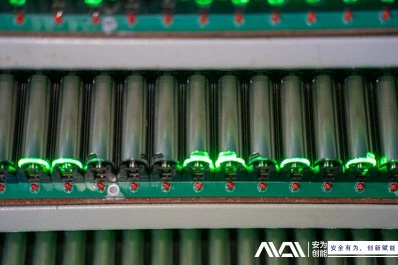
AVEnergy rechargeable lithium-ion batteries boast a high cycle life, typically capable of being charged and discharged around 1,000 times. This means that under normal use, a single battery can undergo thousands of charge-discharge cycles, greatly extending its service life. In contrast, disposable batteries need to be discarded after a single use, which results in resource waste and environmental pollution.
Long-term Use Cost Analysis
Although the initial purchase cost of AVEnergy rechargeable lithium-ion batteries may be higher than that of disposable batteries, their long-term cost advantages are evident. Taking a battery capable of being charged and discharged 1,000 times as an example, even if it requires electricity for each charge, the total cost of a rechargeable lithium-ion battery is still much lower compared to frequently purchasing disposable batteries. Furthermore, as battery technology advances and economies of scale emerge, the purchase cost of rechargeable lithium-ion batteries is decreasing annually, further reducing long-term use costs.
Environmental Benefits
In addition to economic costs, the environmental benefits of AVEnergy rechargeable lithium-ion batteries cannot be ignored. The massive use and casual disposal of disposable batteries not only waste valuable resources but may also cause severe environmental pollution. In contrast, rechargeable lithium-ion batteries can be recycled, reducing the pressure on the environment from discarded batteries. From this perspective, using rechargeable lithium-ion batteries is also a responsible approach towards society and the environment.

III. Applications and Economic Advantages of Rechargeable Lithium-ion Batteries in Different Fields
Portable Electronic Devices
In the field of portable electronic devices such as smartphones, tablets, and laptops, the application of rechargeable lithium-ion batteries is already quite prevalent. These devices often require long standby times or continuous use, demanding high energy density and cycle life from batteries. AVEnergy rechargeable lithium-ion batteries meet these requirements with their high energy density and long cycle life, while reducing users' long-term use costs.

Electric Vehicles
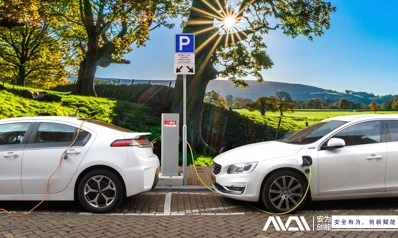
Electric vehicles, as representatives of new energy vehicles, primarily rely on batteries for power. Brands like AVEnergy are increasingly applying rechargeable lithium-ion batteries in the electric vehicle field. Using rechargeable lithium-ion batteries in electric vehicles not only reduces dependence on traditional fossil fuels and carbon emissions but also lowers users' long-term use costs. Compared to the fuel consumption costs of traditional vehicles, the charging costs of electric vehicles are much lower. Additionally, with the increasingly complete charging infrastructure for electric vehicles, charging convenience has also been significantly improved.
Energy Storage Systems
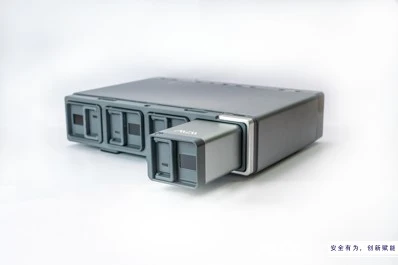
In the field of energy storage systems, rechargeable lithium-ion batteries also offer significant economic advantages. Energy storage systems are typically used to balance grid loads and improve the utilization of renewable energy. The high energy density and long cycle life of AVEnergy rechargeable lithium-ion batteries optimize the energy storage efficiency and operating costs of energy storage systems. Furthermore, rechargeable lithium-ion batteries can serve as backup power sources, providing power support to critical equipment during power outages or emergencies.
IV. Challenges and Solutions for Rechargeable Lithium-ion Batteries
Despite the numerous advantages and long-term cost advantages of rechargeable lithium-ion batteries, they still face some challenges in practical applications. These include battery safety issues, charging speed, and recycling of discarded batteries. To address these issues, the following measures need to be taken.
Strengthening Battery Safety Management
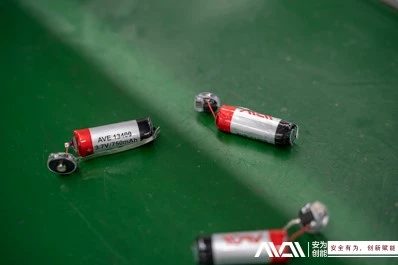
Battery safety issues have always been a key factor limiting their widespread application. To ensure safe battery use, it is necessary to strengthen battery safety management, including improving the safety of battery materials, optimizing battery structural design, and enhancing monitoring and early warning during battery use.
Improving Charging Speed
Charging speed is an important factor affecting user experience. To improve charging speed, more efficient charging technologies and equipment need to be developed, while optimizing battery charging strategies and management systems.
Improving the Recycling System for Discarded Batteries
The disposal of discarded batteries directly relates to the sustainable development of the battery industry. To improve the recycling system for discarded batteries, it is necessary to establish and improve laws, regulations, and standards, promoting the standardization, normalization, and industrialization of the collection, transportation, treatment, and reuse of discarded batteries.
V. Conclusion
In summary, AVEnergy rechargeable lithium-ion batteries offer significant long-term cost advantages. They not only meet the battery performance requirements of various electronic devices but also reduce users' long-term use costs while minimizing environmental pollution. As battery technology continues to advance and the market matures, the application prospects for rechargeable lithium-ion batteries will become even broader. Therefore, we should actively promote and use rechargeable lithium-ion batteries to contribute to building a green, low-carbon, and sustainable society.