

With the rapid development of technology, smart homes have gradually become an integral part of our daily lives, bringing great convenience to our existence. As a crucial component of smart homes, rechargeable lithium-ion batteries play a vital role. This article delves into the applications of rechargeable lithium-ion batteries in smart homes, including their application scenarios in various smart home devices, technical characteristics, market trends, and future development directions..
I. Overview of Smart Homes
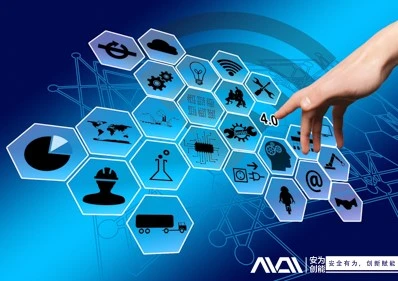
Smart homes, also known as intelligent residences, utilize advanced computer technology, network communication technology, integrated wiring technology, security technology, automatic control technology, audio-video technology, and other technologies to integrate facilities related to home life. They construct an efficient management system for residential facilities and daily family affairs, enhancing home security, convenience, comfort, artistry, and achieving an environmentally friendly and energy-saving living environment. Smart home systems typically include subsystems such as smart lighting, smart security, smart appliances, smart curtains, smart audio, etc. These subsystems are uniformly managed and controlled through a central controller or smart devices such as smartphones.
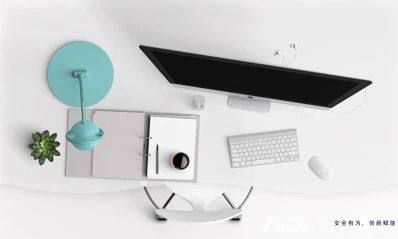
II. Application Scenarios of Rechargeable Lithium-ion Batteries in Smart Homes
Rechargeable lithium-ion batteries, as an important energy supply for smart home devices, have a wide range of applications covering multiple areas of smart homes. Here are some typical application scenarios:
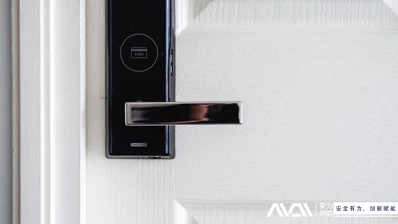
1,Smart Door Locks
Smart door locks are an important device in smart homes, upgrading traditional door locks through electronic technology and cloud technology to facilitate user entry and exit. Smart door locks usually use rechargeable lithium-ion batteries as their power source. These batteries feature high energy density, long lifespan, and high safety, meeting the high power requirements of smart door locks. Additionally, the lithium-ion batteries in smart door locks usually have a battery level display function, allowing users to check the battery status at any time and avoid malfunction due to low battery.
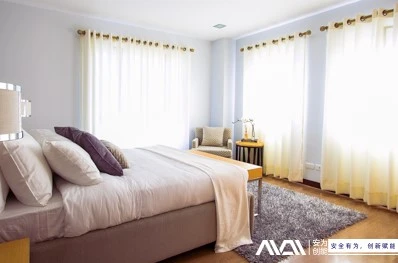
2,Smart Curtains
Smart curtains are another crucial device in smart homes, realizing automatic opening, closing, and adjustment of curtains through motors and sensors. The motors of smart curtains typically use rechargeable lithium-ion batteries as their power source, providing stable power support to ensure the normal operation of the curtains. Furthermore, the lithium-ion batteries of smart curtains offer fast charging and long battery life, eliminating the need for frequent battery replacements and enhancing user convenience.
3,Smart Security Devices
Smart security devices include surveillance cameras, alarms, etc., which usually require 24/7 operation and thus have high power requirements. Rechargeable lithium-ion batteries, with their high energy density and long lifespan, can meet these high power demands. Additionally, the portability and ease of carrying lithium-ion batteries make the installation and deployment of smart security devices more flexible and convenient.

4,Smart Appliances
Smart appliances such as smart refrigerators, smart washing machines, and smart air conditioners often use rechargeable lithium-ion batteries as backup or auxiliary power sources. In case of power outages or grid failures, these batteries can provide emergency power to ensure the normal operation of the appliances. Meanwhile, the intelligent management system of lithium-ion batteries can monitor the battery status in real-time and remotely control battery charging and discharging, enhancing device reliability and maintenance efficiency.
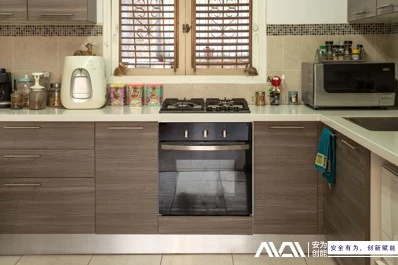
5,Smart Lighting
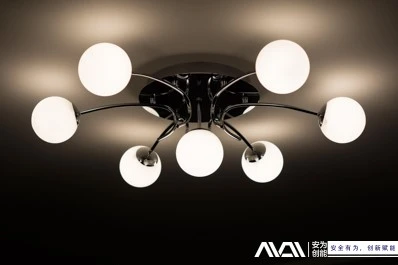
Smart lighting systems automatically adjust and remotely control lighting through sensors and controllers. Smart lighting devices usually use rechargeable lithium-ion batteries as backup power to continue providing lighting services during power outages or grid failures. Additionally, the portability of lithium-ion batteries makes the installation and deployment of smart lighting devices more flexible and convenient.
6,Smart Audio
Smart audio devices are entertainment devices in smart homes, playing and controlling music by connecting to the internet or Bluetooth devices. Smart audio typically uses rechargeable lithium-ion batteries as their power source, providing stable power support to ensure normal operation. Furthermore, the portability and long battery life of lithium-ion batteries enhance the convenience of using smart audio devices.
III. Technical Characteristics of Rechargeable Lithium-ion Batteries in Smart Homes
The application of rechargeable lithium-ion batteries in smart homes exhibits significant technical characteristics, making them an important energy supply for smart home devices.
1,High Energy Density
Rechargeable lithium-ion batteries have high energy density, storing a large amount of electrical energy in a small volume. This allows lithium-ion batteries to provide lasting power support in smart home devices, ensuring their normal operation.
2,Long Lifespan
Rechargeable lithium-ion batteries have a long lifespan, usually capable of undergoing hundreds or even thousands of charge-discharge cycles. This means lithium-ion batteries can be used for a long time in smart home devices without frequent replacements, improving device reliability and stability.
3,High Safety
Rechargeable lithium-ion batteries incorporate multiple safety protection measures during design and manufacturing, such as overcharge protection, over-discharge protection, and short-circuit protection. These measures ensure the safety of lithium-ion batteries in smart home devices, preventing safety accidents caused by battery failures.
4,Portable and Easy to Carry
Rechargeable lithium-ion batteries are portable and easy to carry, making the installation and deployment of lithium-ion batteries in smart home devices more flexible and convenient. Additionally, the portability of lithium-ion batteries enhances the convenience of using smart home devices.
5,Intelligent Management
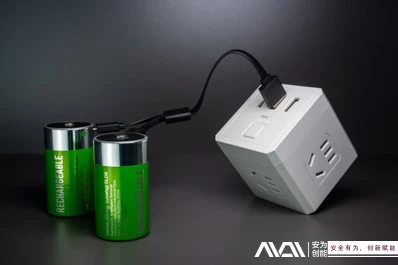
Rechargeable lithium-ion batteries are usually equipped with intelligent management systems that can monitor the battery status and power in real-time and remotely control battery charging and discharging. This enables lithium-ion batteries to achieve intelligent energy management in smart home devices, improving device energy efficiency and reliability.
IV. Market Trends of Rechargeable Lithium-ion Batteries in Smart Homes
With the rapid development of the smart home market, the application of rechargeable lithium-ion batteries in smart homes also shows clear market trends.
1,Expanding Market Size
With the rapid development of the smart home market, the market size of rechargeable lithium-ion batteries used in smart homes is expanding. In the coming years, with the popularization and upgrading of smart home devices, the demand for lithium-ion batteries is expected to continue to grow.
2,Continuous Technological Innovation
With the continuous development of technology, the technology of rechargeable lithium-ion batteries is also constantly innovating. In the future, the energy density of lithium-ion batteries will further increase, their lifespan will be longer, and their safety will be higher. Additionally, the intelligent management system of lithium-ion batteries will become more sophisticated, achieving more intelligent energy management.
3,Expanding Application Scenarios
With the continuous expansion of smart home application scenarios, the application fields of rechargeable lithium-ion batteries will also continue to broaden. In the future, lithium-ion batteries will be more widely used in various areas of smart homes, such as smart security, smart appliances, and smart lighting. Meanwhile, lithium-ion batteries will deeply integrate with other smart home devices to achieve a more intelligent home life.
4,Increasing Environmental Requirements
With the increasing awareness of environmental protection, the environmental requirements for rechargeable lithium-ion batteries are also increasing. In the future, lithium-ion batteries will focus more on improving environmental performance by adopting more eco-friendly materials and manufacturing processes. Additionally, the recycling and reuse of lithium-ion batteries will become an important market trend, promoting the development of the circular economy.
V. Future Development Directions of Rechargeable Lithium-ion Batteries in Smart Homes
In the future, the application of rechargeable lithium-ion batteries in smart homes will exhibit the following development directions:
1,High Performance
In the future, rechargeable lithium-ion batteries will focus more on high-performance development. By adopting advanced materials and manufacturing processes, the energy density and lifespan of lithium-ion batteries will be improved. Additionally, the intelligent management system of lithium-ion batteries will become more sophisticated, achieving more intelligent energy management.
2,Environmental Protection
In the future, rechargeable lithium-ion batteries will focus more on improving environmental performance. More eco-friendly materials and manufacturing processes will be adopted to reduce environmental pollution during the production and use of lithium-ion batteries. Additionally, the recycling and reuse of lithium-ion batteries will become an important market trend, promoting sustainable development.

3,Intelligence
In the future, rechargeable lithium-ion batteries will focus more on intelligent development. By deeply integrating with other smart home devices, a more intelligent home life will be achieved. Additionally, the intelligent management system of lithium-ion batteries will become more sophisticated, capable of monitoring the battery status and power in real-time and remotely controlling battery charging and discharging, improving device energy efficiency and reliability.

4,Diversification
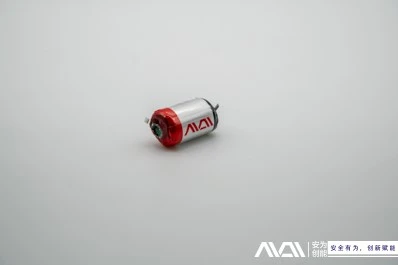
In the future, rechargeable lithium-ion batteries will exhibit a trend of diversification. Depending on the different needs of smart home devices, lithium-ion batteries will come in various shapes, sizes, and capacities. Additionally, the charging methods of lithium-ion batteries will become more diversified, such as wireless charging and fast charging.

VI. Conclusion
In summary, the application of rechargeable lithium-ion batteries in smart homes has broad prospects and tremendous market potential. With the rapid development of the smart home market and continuous technological innovation, lithium-ion batteries will be more widely used in various areas of smart homes, bringing a more convenient, comfortable, and intelligent experience to our lives. Meanwhile, we should also pay attention to the environmental performance and safety issues of lithium-ion batteries, promoting continuous technological progress and sustainable development of lithium-ion battery technology.