

The cycle life of lithium AAA rechargeable batteries is a crucial factor that many consumers and businesses consider when purchasing these power sources. As a supplier of lithium AAA rechargeable batteries, I understand the importance of this metric and am eager to share some insights with you.
Understanding Cycle Life
Before delving into the specifics of lithium AAA rechargeable batteries, it's essential to understand what cycle life means. A cycle is defined as one complete charge and discharge of a battery. The cycle life of a battery refers to the number of charge - discharge cycles it can undergo before its capacity drops to a certain percentage (usually 80% of its original capacity).
For example, if a lithium AAA rechargeable battery has a cycle life of 500 cycles, it means that after 500 full charge - discharge cycles, its capacity will be about 80% of what it was when it was new. After this point, the battery's performance may start to degrade more rapidly, and it may not be able to power devices as effectively.
Factors Affecting the Cycle Life of Lithium AAA Rechargeable Batteries
Several factors can influence the cycle life of lithium AAA rechargeable batteries.

1. Chemistry of the Battery
There are different types of lithium - based chemistries used in rechargeable batteries, such as lithium - ion (Li - ion) and lithium - polymer (Li - Po). Each chemistry has its own characteristics and cycle life. For instance, some advanced lithium - ion chemistries are designed to have a longer cycle life compared to others. These chemistries are engineered to minimize the degradation of the electrode materials during charge and discharge processes.
2. Charging and Discharging Rates
The rate at which a battery is charged and discharged can significantly impact its cycle life. Fast charging, while convenient, can generate more heat and cause more stress on the battery's internal components. This can lead to a shorter cycle life. Similarly, discharging the battery at a high rate can also accelerate its degradation. It is generally recommended to charge and discharge lithium AAA rechargeable batteries at moderate rates to maximize their cycle life.
3. Operating Temperature
Temperature plays a vital role in the performance and cycle life of lithium batteries. Extreme temperatures, both hot and cold, can be detrimental to the battery. High temperatures can speed up the chemical reactions inside the battery, leading to faster degradation of the electrode materials. On the other hand, low temperatures can reduce the battery's capacity and increase its internal resistance. The optimal operating temperature range for most lithium AAA rechargeable batteries is between 20°C and 25°C.
4. Depth of Discharge (DoD)
The depth of discharge refers to the percentage of the battery's capacity that is used during a discharge cycle. Shallow discharges, where only a small percentage of the battery's capacity is used, are generally better for the battery's cycle life. For example, if you only discharge a lithium AAA rechargeable battery to 20% of its capacity before recharging it, it will likely have a longer cycle life compared to a battery that is regularly discharged to 80% or more of its capacity.
Typical Cycle Life of Lithium AAA Rechargeable Batteries
On average, high - quality lithium AAA rechargeable batteries can have a cycle life ranging from 500 to 1000 cycles. However, this can vary depending on the factors mentioned above. Batteries with advanced chemistries and proper usage conditions may even exceed 1000 cycles.
As a supplier, we conduct rigorous testing on our lithium AAA rechargeable batteries to ensure that they meet or exceed industry standards. Our testing procedures simulate real - world usage scenarios to accurately measure the cycle life of the batteries. We also provide detailed information to our customers about the expected cycle life of our products, along with guidelines on how to maximize it.
Comparing with Other Battery Sizes
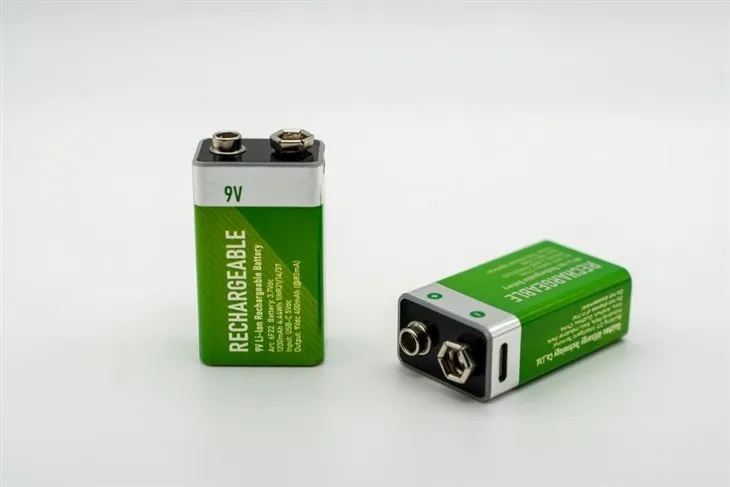
It's interesting to compare the cycle life of lithium AAA rechargeable batteries with other battery sizes. For example, the D Size Lithium Battery and 9V Lithium Polymer Rechargeable Battery have different cycle life characteristics.
Larger batteries like the D - size lithium battery may have a longer cycle life in some cases because they have more active materials and can better dissipate heat. However, they also have different usage patterns and requirements. The 9V lithium polymer rechargeable battery, on the other hand, is often used in specific applications such as smoke detectors and wireless microphones. Its cycle life is also influenced by factors similar to those of AAA batteries, but its design and usage may result in a different cycle life profile.
Another size to consider is the Double AA Lithium Rechargeable Battery. While AA batteries are more common than AAA in many consumer devices, the principles regarding cycle life remain similar. The key is to choose the right battery size for your specific application and to take proper care of it to ensure a long cycle life.
Maximizing the Cycle Life of Lithium AAA Rechargeable Batteries
As a supplier, we want our customers to get the most out of our lithium AAA rechargeable batteries. Here are some tips to maximize their cycle life:
- Use a Compatible Charger: Always use a charger that is specifically designed for lithium AAA rechargeable batteries. Using an incompatible charger can lead to overcharging, overheating, and a shorter cycle life.
- Avoid Overcharging and Over - Discharging: Overcharging a battery can cause it to overheat and damage its internal components. Similarly, over - discharging a battery can lead to irreversible damage. Most modern chargers are equipped with protection circuits to prevent overcharging, but it's still important to be vigilant.
- Store Batteries Properly: If you need to store lithium AAA rechargeable batteries for an extended period, it is recommended to store them at a partial charge (around 50%) in a cool and dry place. This can help preserve their capacity and cycle life.
Conclusion
The cycle life of lithium AAA rechargeable batteries is an important consideration for anyone looking to use these batteries in their devices. By understanding the factors that affect cycle life and taking proper care of the batteries, consumers and businesses can ensure that they get the most out of their investment.
As a supplier of lithium AAA rechargeable batteries, we are committed to providing high - quality products with a long cycle life. Our batteries are carefully engineered and tested to meet the needs of various applications. If you are interested in purchasing our lithium AAA rechargeable batteries or have any questions about their cycle life or other features, please feel free to contact us for a detailed discussion and to start a procurement negotiation.
References
- Linden, D., & Reddy, T. B. (2002). Handbook of Batteries. McGraw - Hill.
- Tarascon, J. M., & Armand, M. (2001). Issues and challenges facing rechargeable lithium batteries. Nature, 414(6861), 359 - 367.
- Winter, M., & Brodd, R. J. (2004). What are batteries, fuel cells, and supercapacitors? Chemical Reviews, 104(10), 4245 - 4269.