

Charge retention rate is a crucial parameter when evaluating the performance of rechargeable batteries. As a supplier of 9V lithium polymer rechargeable batteries, I often encounter inquiries about the charge retention rate of these batteries. In this blog post, I will delve into what charge retention rate means, the factors affecting the charge retention rate of 9V lithium polymer rechargeable batteries, and how we ensure high - quality charge retention in our products.
What is Charge Retention Rate?
Charge retention rate refers to the ability of a battery to hold its charge over a period of time when not in use. It is usually expressed as a percentage. For example, if a battery has a charge retention rate of 90% after one month of storage, it means that after sitting idle for a month, it still retains 90% of the charge it had at the beginning of the storage period.
A high charge retention rate is extremely important for users. Batteries with good charge retention can be stored for longer periods without significant loss of charge. This is especially useful for devices that are not used frequently, such as emergency flashlights, backup power supplies, and some remote - controlled devices. When you need to use these devices, you can be confident that the battery still has enough power to function properly.
Factors Affecting the Charge Retention Rate of 9V Lithium Polymer Rechargeable Batteries
1. Battery Chemistry
The chemical composition of the battery is one of the primary factors influencing charge retention. Lithium polymer batteries use a lithium - based electrolyte and electrodes. The stability of the chemical reactions within the battery during storage has a direct impact on charge retention. In a well - designed lithium polymer battery, the chemical reactions are minimized when the battery is at rest, reducing self - discharge.
2. Temperature
Temperature plays a vital role in the charge retention of batteries. High temperatures can accelerate the self - discharge process of lithium polymer batteries. At elevated temperatures, the chemical reactions within the battery become more active, leading to faster loss of charge. On the other hand, extremely low temperatures can also affect the battery's performance and charge retention, as the chemical reactions slow down, and the battery may not be able to deliver its full capacity when needed.
3. State of Charge (SOC) at Storage
The state of charge when the battery is stored also affects its charge retention. Storing a lithium polymer battery at a very high or very low state of charge for an extended period can be detrimental to its charge - holding ability. It is generally recommended to store lithium polymer batteries at a moderate state of charge, around 40% - 60%, to achieve the best charge retention over time.
4. Battery Design and Manufacturing Quality
The design of the battery, including the structure of the electrodes, the quality of the separator, and the overall packaging, can influence charge retention. A well - designed battery with high - quality components will have better charge - holding characteristics. During the manufacturing process, strict quality control is necessary to ensure that there are no defects that could lead to increased self - discharge.
Charge Retention Rate of Our 9V Lithium Polymer Rechargeable Batteries
At our company, we are committed to providing high - quality 9V lithium polymer rechargeable batteries with excellent charge retention rates. Through continuous research and development, we have optimized the battery chemistry, design, and manufacturing process to achieve superior performance.
Our 9V lithium polymer rechargeable batteries typically have a charge retention rate of over 90% after one month of storage under normal temperature conditions (around 25°C) and a moderate state of charge. Even after three months of storage, the charge retention rate remains above 80%. This high charge retention rate ensures that our customers can rely on our batteries for their long - term energy storage needs.
We also offer detailed storage guidelines to our customers to help them maximize the charge retention of our batteries. These guidelines include storing the batteries at the recommended temperature and state of charge, and avoiding exposure to extreme environmental conditions.

Comparison with Other Battery Types
When compared with other types of rechargeable batteries, such as nickel - cadmium (NiCd) and nickel - metal hydride (NiMH) batteries, lithium polymer batteries generally have a better charge retention rate. NiCd and NiMH batteries are known to have relatively high self - discharge rates, especially at higher temperatures. For example, a NiCd battery may lose up to 20% of its charge in a month, while a NiMH battery can lose even more.
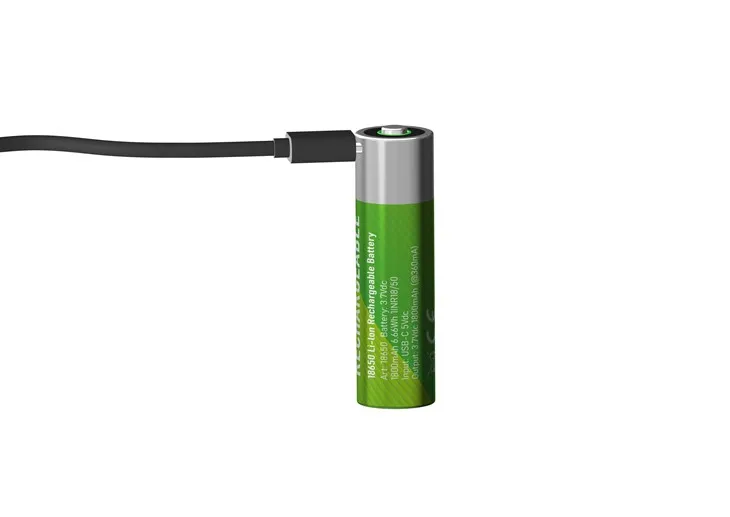
In addition to the 9V lithium polymer rechargeable batteries, we also offer other types of rechargeable lithium batteries, such as Rechargeable Lithium 123 and 18650A Battery and 18650A Battery. These batteries also have excellent charge retention characteristics, making them suitable for a wide range of applications.
Conclusion
The charge retention rate is a key factor in determining the usability and reliability of rechargeable batteries. Our 9V lithium polymer rechargeable batteries offer high charge retention rates, thanks to our advanced battery technology and strict quality control. Whether you are looking for a battery for emergency devices, portable electronics, or other applications, our batteries can provide long - lasting and reliable power.
If you are interested in our 9V lithium polymer rechargeable batteries or other rechargeable lithium battery products, please feel free to contact us for more information and to discuss your specific requirements. We are always ready to provide you with the best solutions for your energy storage needs.
References
- Linden, D., & Reddy, T. B. (2002). Handbook of Batteries. McGraw - Hill.
- Tarascon, J. M., & Armand, M. (2001). Issues and challenges facing rechargeable lithium batteries. Nature, 414(6861), 359 - 367.