

When it comes to powering your device, selecting the right OEM lithium 123a battery is crucial. As an experienced OEM lithium 123a battery supplier, I understand the challenges and considerations that go into this decision. In this blog post, I'll share some key factors to help you make an informed choice for your specific device.
Understanding the Basics of Lithium 123a Batteries
Lithium 123a batteries are widely used in various electronic devices due to their high energy density, long shelf - life, and stable performance. These batteries typically have a nominal voltage of 3V and are available in both primary (non - rechargeable) and rechargeable forms.
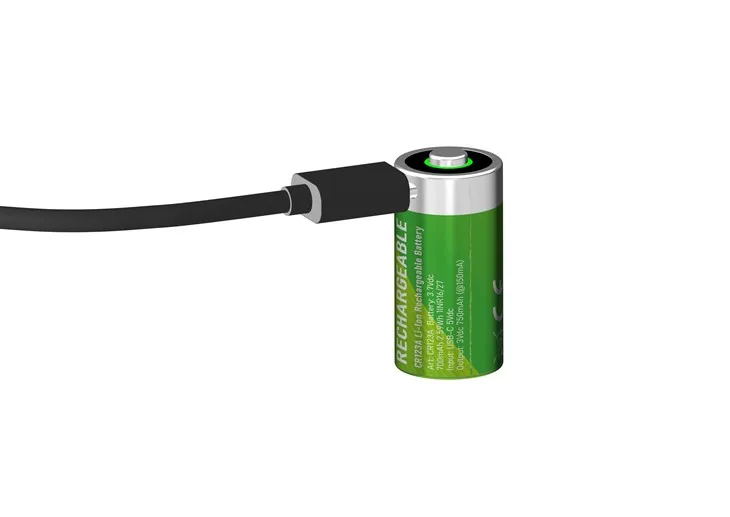
The primary lithium 123a batteries are known for their high initial energy output and are often used in devices that require a burst of power, such as cameras, flashlights, and some security devices. On the other hand, Rechargeable Lithium 123 batteries offer the advantage of being reusable, which can be cost - effective in the long run and more environmentally friendly.

Compatibility with Your Device
The first and most important factor in choosing the right OEM lithium 123a battery is compatibility with your device. Different devices have different power requirements in terms of voltage, current, and capacity.
- Voltage: Ensure that the battery's voltage matches the device's requirements. Most devices designed for lithium 123a batteries are built to work with a 3V power source. Using a battery with an incorrect voltage can damage your device or cause it to malfunction.
- Current: The current rating of the battery should also be considered. Some high - performance devices, like high - powered flashlights, may require a battery that can deliver a high current. If the battery cannot supply the necessary current, the device may not operate at its full potential.
- Capacity: Battery capacity is measured in milliampere - hours (mAh). A higher capacity battery can provide power for a longer time. Consider how often you use your device and how long you need it to run on a single charge. For example, if you use your camera frequently for long - duration shoots, a higher capacity battery would be more suitable.
Battery Performance and Quality
The performance and quality of the battery can significantly impact your device's overall functionality.
- Cycle Life: For rechargeable lithium 123a batteries, cycle life is an important metric. It refers to the number of charge - discharge cycles a battery can undergo before its capacity starts to degrade significantly. A battery with a higher cycle life will last longer and provide better long - term value.
- Self - Discharge Rate: All batteries self - discharge over time, even when not in use. A lower self - discharge rate means that the battery will retain its charge for a longer period. This is especially important for devices that are not used frequently, such as emergency flashlights.
- Quality Assurance: Look for batteries that are manufactured to high - quality standards. Reputable OEM suppliers, like us, follow strict quality control processes during the manufacturing of lithium 123a batteries. This ensures that the batteries are safe, reliable, and perform consistently.
Safety Considerations
Safety is a top priority when dealing with lithium batteries. Lithium batteries can be potentially dangerous if not handled properly.
- Overcharge and Over - discharge Protection: Good quality OEM lithium 123a batteries are equipped with overcharge and over - discharge protection circuits. These circuits prevent the battery from being overcharged, which can lead to overheating, swelling, or even explosion. Similarly, over - discharge protection helps to extend the battery's life and prevent damage.
- Thermal Management: Lithium batteries generate heat during charging and discharging. Effective thermal management is essential to prevent overheating. Look for batteries that are designed with proper heat dissipation mechanisms.
Cost - effectiveness
Cost is always a consideration when choosing a battery. While it may be tempting to opt for the cheapest option, it's important to balance cost with quality and performance.
- Initial Cost vs. Long - term Savings: Rechargeable batteries may have a higher initial cost than primary batteries, but they can save you money in the long run as you don't have to keep buying new batteries. Consider your usage frequency and the total cost of ownership over the battery's lifespan.
- Bulk Purchasing: If you need a large number of batteries for your devices, consider buying in bulk. Many OEM suppliers offer discounts for bulk orders, which can help you save money.
Additional Battery Options
In addition to traditional lithium 123a batteries, there are other types of lithium batteries that may be suitable for your device.
- USB Rechargeable AAA Lithium Battery: These batteries are a convenient option as they can be recharged using a USB port. They are smaller in size compared to lithium 123a batteries and may be suitable for devices with limited space.
- 18650A Battery: The 18650A battery is a popular rechargeable lithium battery with a higher capacity than lithium 123a batteries. It may be a good alternative for devices that require more power and can accommodate the larger size.
Making the Right Choice
To choose the right OEM lithium 123a battery for your device, start by thoroughly understanding your device's power requirements. Consider the factors mentioned above, such as compatibility, performance, safety, and cost - effectiveness.
If you're still unsure which battery is the best fit for your device, don't hesitate to reach out to us. As an OEM lithium 123a battery supplier, we have the expertise and experience to help you make the right decision. We can provide you with detailed product information, technical support, and even customized solutions based on your specific needs.
Whether you're a small business looking to power your electronic devices or an individual in need of a reliable battery for your personal gadget, we're here to assist you. Contact us today to discuss your battery requirements and explore the best options available. We're committed to providing high - quality batteries that meet your expectations and ensure the optimal performance of your devices.
References
- Battery University. "Lithium - ion Batteries".
- International Electrotechnical Commission (IEC). "Safety standards for lithium batteries".
- Various research papers on lithium battery technology and performance.