

Figuring out how many lithium 123a batteries you need for your device can be a bit of a head - scratcher, but don't worry, I'm here to break it down for you. As a lithium 123a battery supplier, I've seen all sorts of devices and battery needs over the years.
First off, let's talk a bit about what lithium 123a batteries are. These batteries are small, cylindrical powerhouses. They're commonly used in things like cameras, flashlights, and some small electronic devices. They pack a decent amount of energy into a relatively small package, which is why they're so popular.
The number of lithium 123a batteries your device needs mainly depends on two things: the voltage requirements of your device and its power consumption.
Voltage Requirements
Every electronic device has a specific voltage at which it operates. Lithium 123a batteries typically have a nominal voltage of around 3 volts. So, if your device requires 3 volts to run, you'll need one lithium 123a battery. But if it needs 6 volts, you'll need two of these batteries connected in series. When you connect batteries in series, you add up their voltages. For example, two 3 - volt lithium 123a batteries in series will give you a total of 6 volts.
Let's say you've got a high - powered flashlight. Some of these flashlights need 9 volts to operate at their full brightness. In that case, you'd need three lithium 123a batteries connected in series (3 volts x 3 = 9 volts).
Power Consumption
Power consumption is another crucial factor. It tells you how much energy your device uses over a certain period. If your device has a high power consumption, it'll drain the batteries faster.
Let's take a digital camera as an example. A camera with a big, bright LCD screen and a powerful flash will consume more power than a simple point - and - shoot camera. If your camera has a high power consumption, you might need to carry extra lithium 123a batteries with you, even if it only requires a single battery to operate in terms of voltage.
To figure out how long your batteries will last, you can look at the battery's capacity, which is usually measured in milliampere - hours (mAh). A typical lithium 123a battery might have a capacity of around 1200 - 1700 mAh. The higher the mAh rating, the more energy the battery can store, and the longer it'll last in your device.
If your device has a power consumption of 100 mA (milliampere), and you're using a lithium 123a battery with a capacity of 1500 mAh, you can estimate the battery life using a simple formula. Battery life (in hours)= Battery capacity (mAh)/Device power consumption (mA). So, in this case, the battery would last about 15 hours (1500 mAh / 100 mA = 15 hours).

Other Battery Options
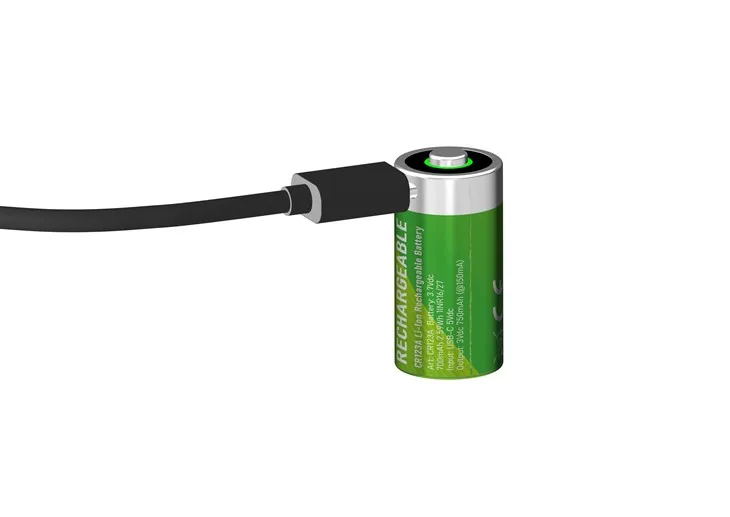
Now, there are other types of batteries out there that you might consider as alternatives to lithium 123a batteries. For instance, the USB Rechargeable AAA Lithium Battery. These are great if you're looking for a rechargeable option that's a bit more common and easier to find in stores. They're also smaller and lighter than lithium 123a batteries in some cases.
Another option is the 18650A Battery. These are larger and usually have a higher capacity than lithium 123a batteries. They're often used in high - power devices like electric bikes and some high - end flashlights.
But if you're specifically looking for a battery that's compact and has a good balance of voltage and capacity for your small to medium - sized devices, lithium 123a batteries are a great choice. And if you're interested in a rechargeable version of the lithium 123a battery, check out our Rechargeable Lithium 123.
Making the Right Choice
When deciding how many lithium 123a batteries you need, it's also a good idea to consider the environment in which your device will be used. If you're using your device in cold temperatures, the battery's performance might be affected. Lithium batteries generally perform better in cold conditions than alkaline batteries, but they still lose some capacity as the temperature drops.
If you're going on a long trip or using your device for an extended period, it's always a good idea to carry some extra batteries. You don't want to be left in the dark (literally, if it's a flashlight) because your batteries have died.
Contact for Procurement
If you're in the market for lithium 123a batteries, whether it's for personal use or for your business, I'd love to talk to you. We've got a wide range of high - quality lithium 123a batteries that are reliable and long - lasting. Just reach out to start a conversation about your specific needs, and we can work together to find the best solution for you.
References
- Battery University: A great resource for all things related to battery technology and usage.
- Manufacturer's device manuals: These usually provide detailed information about the device's voltage requirements and power consumption.