

Hey there! I'm a supplier of rechargeable C battery packs, and I often get asked about how to maintain the charge of these battery packs during storage. It's a crucial question because proper storage can significantly extend the lifespan and performance of your rechargeable C batteries. In this blog, I'll share some tips and tricks based on my experience in the industry.
First off, let's talk about why it's important to maintain the charge of rechargeable C battery packs during storage. Rechargeable batteries, like any other battery, self - discharge over time. If a battery is left in storage for too long without proper charge maintenance, it can lose its capacity, develop memory effects (in some battery chemistries), or even become damaged beyond repair.
Ideal Storage Conditions
One of the key factors in maintaining the charge of a rechargeable C battery pack is the storage environment. Temperature plays a huge role here. Batteries should be stored in a cool, dry place. High temperatures can accelerate the self - discharge rate and cause chemical reactions inside the battery that can damage its components. On the other hand, extremely low temperatures can also affect the battery's performance and may even cause the electrolyte to freeze in some cases.
A temperature range between 10°C and 25°C (50°F and 77°F) is generally considered ideal for storing rechargeable C battery packs. You don't need to go all out and buy a fancy temperature - controlled storage unit. Just find a spot in your home or warehouse away from direct sunlight, heaters, or other heat sources.
Initial Charge Level
Before storing your rechargeable C battery packs, it's important to get the initial charge level right. You don't want to store them fully charged or completely discharged. For most rechargeable battery chemistries, a charge level of around 40% - 60% is recommended. This intermediate charge level helps to minimize the stress on the battery during storage.
If you're using a battery charger with a state - of - charge indicator, it's easy to get the battery to the right level. Just charge or discharge the battery as needed until you reach the recommended charge percentage.
Regular Check - ups
Even if you've stored your rechargeable C battery packs under ideal conditions with the right initial charge level, it's still a good idea to check on them periodically. I recommend checking the charge level at least once every three to six months.
You can use a battery charger with a built - in charge indicator or a separate battery tester to check the charge level. If the charge level has dropped significantly, you'll need to recharge the battery to the recommended level. This regular maintenance helps to keep the battery in good condition and ready for use when you need it.
Avoiding Over - charging and Over - discharging
During the storage period, it's crucial to avoid over - charging and over - discharging the rechargeable C battery packs. Over - charging can cause the battery to overheat, which can lead to a loss of capacity, swelling, or even a fire hazard in extreme cases. Over - discharging, on the other hand, can damage the battery's electrodes and reduce its overall lifespan.
When recharging the battery packs, make sure to use a charger that is specifically designed for rechargeable C batteries. These chargers are usually equipped with safety features to prevent over - charging. And when using the batteries, don't let them drain completely before recharging.
Battery Chemistry Matters
Different rechargeable battery chemistries have different storage requirements. For example, nickel - cadmium (NiCd) batteries are more prone to memory effects, so it's important to discharge them fully every once in a while to prevent this. Lithium - ion batteries, on the other hand, don't have a memory effect but are more sensitive to high temperatures and over - charging.
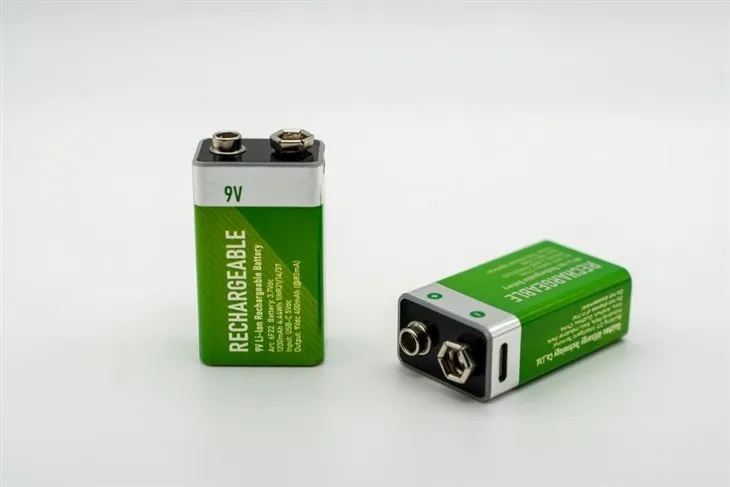

If you're interested in other types of rechargeable batteries, you might want to check out Rechargeable Lithium 123, 18650A Battery, and 9V Lithium Polymer Rechargeable Battery. Each of these battery types has its own unique characteristics and storage needs.
Packaging and Isolation
Proper packaging can also help in maintaining the charge of rechargeable C battery packs during storage. Store the battery packs in their original packaging if possible, as it's designed to protect the batteries from physical damage and environmental factors.
If you don't have the original packaging, you can use a plastic container or a battery case. Make sure to isolate each battery pack to prevent them from short - circuiting. You can use dividers or separate compartments in the container to keep the batteries apart.
Conclusion
Maintaining the charge of rechargeable C battery packs during storage is not rocket science, but it does require a bit of attention to detail. By following these tips, you can ensure that your battery packs stay in good condition and are ready to use when you need them.
If you're in the market for high - quality rechargeable C battery packs or have any questions about battery storage and maintenance, feel free to reach out. We're always here to help you make the best choices for your battery needs.
References
- Battery University: A comprehensive resource for battery knowledge and best practices.
- Manufacturer's guides for rechargeable C battery packs.