

Hey there! As someone working with rechargeable lithium C cell batteries, I know how important it is to keep these powerhouses in top - notch condition. These batteries are everywhere, from flashlights to some high - tech toys, and maintaining them properly can save you money and keep your devices running smoothly. So, let's dive into how I maintain a rechargeable lithium C cell battery.
Understanding the Basics
First things first, you gotta understand what makes these batteries tick. Rechargeable lithium C cell batteries are known for their high energy density, long lifespan, and relatively low self - discharge rate compared to other battery types. They're pretty robust, but they do have their quirks.
The chemical reactions inside these batteries are what generate the electrical power. Lithium ions move between the anode and the cathode during charging and discharging. Over time, though, these reactions can cause wear and tear on the battery components.
Charging the Right Way
One of the most crucial aspects of maintaining a rechargeable lithium C cell battery is charging it correctly. You don't want to overcharge or undercharge it, as both can lead to reduced battery life.
When it comes to chargers, always use a charger specifically designed for rechargeable lithium C cell batteries. Generic chargers might not provide the right voltage or current, which can damage the battery. For example, our company offers chargers that are optimized for these batteries, ensuring a safe and efficient charging process.
Don't leave the battery on the charger for too long after it's fully charged. Most modern chargers have an auto - shutoff feature, but it's still a good idea to check. Overcharging can cause the battery to heat up, which can lead to internal damage and even reduce its capacity over time.
On the flip side, try not to let the battery discharge completely before recharging. Lithium batteries have a “memory effect” to a lesser extent than some other battery types, but deep discharges can still be harmful. It's better to recharge the battery when it reaches around 20 - 30% capacity.
If you're looking for other rechargeable lithium battery options, we also have 9V Lithium Polymer Rechargeable and USB Rechargeable AAA Lithium Battery available. These follow similar charging principles, so you can apply the same knowledge across different battery sizes.
Storage Conditions
Proper storage is another key factor in maintaining your rechargeable lithium C cell battery. If you're not going to use the battery for an extended period, store it in a cool, dry place. High temperatures can accelerate the chemical reactions inside the battery, leading to faster degradation.
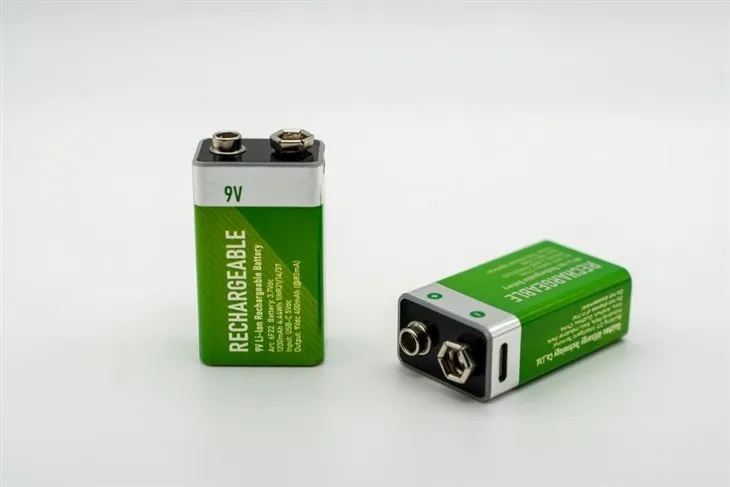
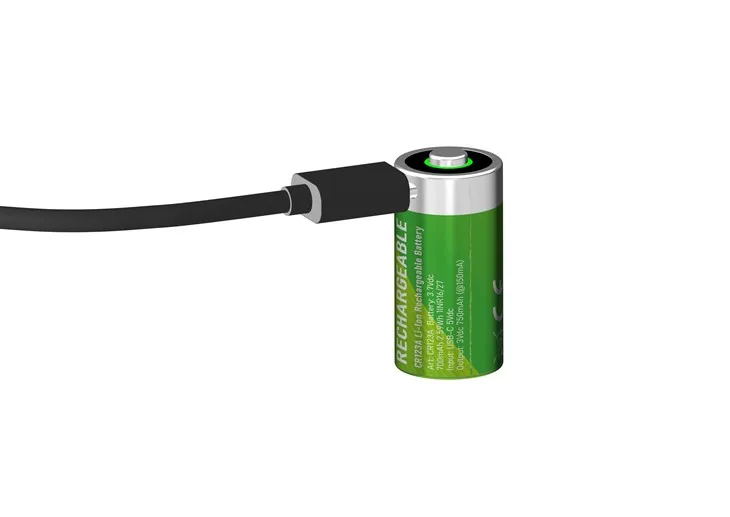
Aim for a storage temperature between 10 - 25°C (50 - 77°F). Also, make sure the battery is at around 40 - 60% charge before storing it. This helps prevent self - discharge from causing the battery to drop to a critically low level during storage.
If you're storing multiple batteries, keep them separated. You can use battery cases or individual plastic bags to prevent them from coming into contact with each other, which could potentially cause a short - circuit.
Handling and Usage
How you handle and use the battery also plays a role in its longevity. Avoid dropping or subjecting the battery to physical shock. Even a small impact can damage the internal components of the battery, affecting its performance.
When inserting the battery into a device, make sure the polarity is correct. Incorrect polarity can not only prevent the device from working but can also cause damage to the battery and the device itself.
If you notice any signs of swelling, leakage, or a strange odor coming from the battery, stop using it immediately. These are signs of a potentially dangerous battery failure, and you should dispose of the battery properly according to local regulations.
Regular Inspections
I like to give my rechargeable lithium C cell batteries a quick inspection every once in a while. Check for any visible signs of damage, such as cracks or dents on the battery casing. If you see any, it's a good idea to replace the battery.
Also, pay attention to the battery's performance. If you notice that the battery is not holding a charge as long as it used to, or if it's taking longer to charge, it might be a sign that the battery is starting to degrade. In such cases, you might want to consider getting a new one.
Recycling and Disposal
When it's finally time to say goodbye to your rechargeable lithium C cell battery, make sure you recycle it properly. Lithium batteries contain hazardous materials, so throwing them in the regular trash is a big no - no.
Many local recycling centers accept lithium batteries. You can also check with your local government or environmental agencies for specific recycling guidelines. By recycling the battery, you're not only helping the environment but also ensuring that valuable materials can be reused.
Conclusion
Maintaining a rechargeable lithium C cell battery isn't rocket science, but it does require a bit of attention. By following these tips on charging, storage, handling, and inspection, you can extend the life of your battery and get the most out of it.
If you're interested in purchasing rechargeable lithium C cell batteries or any of our other products like Rechargeable Lithium 123, we'd love to have a chat with you. Whether you're a small business looking to stock up on batteries or an individual in need of a reliable power source, we can provide you with high - quality products and expert advice. Reach out to us to start a procurement discussion and find the best battery solutions for your needs.
References
- Battery University: A comprehensive resource on battery technology and maintenance.
- Manufacturer's guidelines for rechargeable lithium C cell batteries.