

When it comes to powering your devices, finding the right USB rechargeable 9-volt battery can be a game-changer. As a supplier of USB rechargeable 9-volt batteries, I understand the importance of making an informed decision. In this blog post, I'll guide you through the process of choosing the perfect battery for your needs, considering factors such as capacity, compatibility, and performance.
Understanding Your Requirements
The first step in choosing the right USB rechargeable 9-volt battery is to understand your specific requirements. Consider the devices you'll be powering and their power consumption. For example, if you're using the battery to power a high-drain device like a wireless microphone or a small amplifier, you'll need a battery with a higher capacity to ensure longer run times. On the other hand, if you're using it for a low-drain device like a remote control or a small sensor, a battery with a lower capacity may suffice.
Capacity and Run Time
Battery capacity is measured in milliampere-hours (mAh) and indicates how much charge a battery can hold. The higher the mAh rating, the longer the battery will last between charges. When choosing a USB rechargeable 9-volt battery, look for a capacity that meets your device's power requirements. For example, if your device consumes 100 mA of current and you need it to run for 10 hours, you'll need a battery with a capacity of at least 1000 mAh.
However, it's important to note that the actual run time of a battery may vary depending on several factors, including the device's power consumption, the battery's age and condition, and the charging method used. To get the most accurate estimate of run time, refer to the manufacturer's specifications or conduct your own tests.
Compatibility
Another important factor to consider when choosing a USB rechargeable 9-volt battery is compatibility. Make sure the battery you choose is compatible with your device's voltage requirements and charging system. Most 9-volt devices are designed to work with batteries that provide a stable 9-volt output. However, some devices may require a specific type of battery or charging method, so it's important to check the device's user manual or consult the manufacturer for compatibility information.
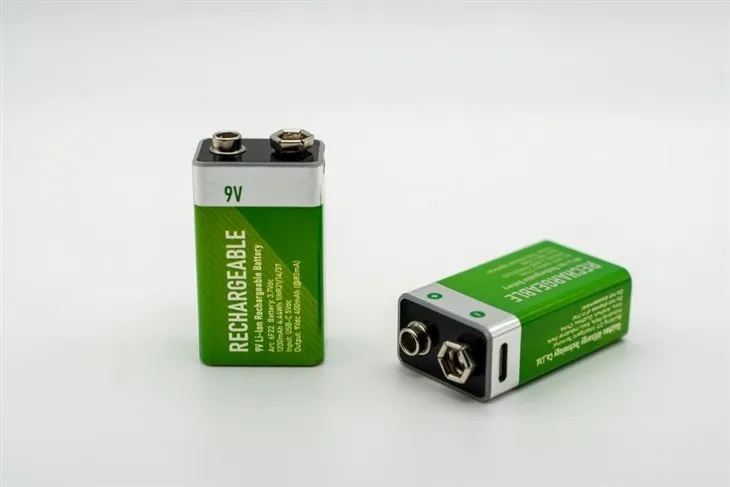
In addition to voltage compatibility, you'll also need to consider the battery's physical dimensions and connector type. Make sure the battery fits properly in your device's battery compartment and that the connector matches the device's charging port. Some USB rechargeable 9-volt batteries come with a built-in USB connector, which allows you to charge the battery directly from a USB power source. Others may require a separate charging cable or adapter.
Performance and Quality
When it comes to USB rechargeable 9-volt batteries, performance and quality are key. Look for a battery that offers reliable performance, long cycle life, and fast charging times. A high-quality battery will provide consistent power output and maintain its capacity over time, ensuring that your devices run smoothly and efficiently.
To ensure the quality of the battery you choose, look for a reputable brand that offers a warranty or guarantee. Read customer reviews and ratings to get an idea of the battery's performance and reliability. You can also look for batteries that have been tested and certified by independent organizations, such as UL (Underwriters Laboratories) or CE (Conformité Européene).
Types of USB Rechargeable 9-Volt Batteries
There are several types of USB rechargeable 9-volt batteries available on the market, each with its own advantages and disadvantages. Here are some of the most common types:
- Lithium-Ion Batteries: Lithium-ion batteries are one of the most popular types of rechargeable batteries due to their high energy density, long cycle life, and low self-discharge rate. They are also lightweight and compact, making them ideal for portable devices. However, lithium-ion batteries can be more expensive than other types of batteries and may require a special charging circuit to prevent overcharging and overheating. 9V Lithium Polymer Rechargeable Battery is a great example of a high-quality lithium-ion battery.
- Nickel-Metal Hydride (NiMH) Batteries: NiMH batteries are a more affordable alternative to lithium-ion batteries and offer a good balance of performance and cost. They have a higher capacity than traditional nickel-cadmium (NiCd) batteries and are less prone to the "memory effect," which can reduce a battery's capacity over time. However, NiMH batteries have a higher self-discharge rate than lithium-ion batteries, which means they may lose their charge more quickly when not in use.
- Lithium-Polymer Batteries: Lithium-polymer batteries are similar to lithium-ion batteries but use a polymer electrolyte instead of a liquid electrolyte. This makes them more flexible and lightweight, allowing for thinner and more compact battery designs. Lithium-polymer batteries also have a higher energy density than NiMH batteries and a lower self-discharge rate than lithium-ion batteries. However, they can be more expensive than other types of batteries and may require a special charging circuit to prevent overcharging and overheating.
Charging and Maintenance
Proper charging and maintenance are essential for getting the most out of your USB rechargeable 9-volt battery. Follow these tips to ensure the longevity and performance of your battery:
- Use the Right Charger: Always use the charger that comes with your battery or a charger that is specifically designed for your battery type. Using the wrong charger can damage the battery and reduce its lifespan.
- Avoid Overcharging: Overcharging a battery can cause it to overheat, which can damage the battery and reduce its lifespan. To avoid overcharging, use a charger that has an automatic shut-off feature or monitor the charging process closely.
- Store the Battery Properly: When not in use, store the battery in a cool, dry place. Avoid exposing the battery to extreme temperatures or humidity, as this can damage the battery and reduce its lifespan.
- Charge the Battery Regularly: To keep the battery in good condition, charge it regularly, even if you're not using it. This will help prevent the battery from losing its charge and extend its lifespan.
Conclusion
Choosing the right USB rechargeable 9-volt battery for your needs requires careful consideration of several factors, including capacity, compatibility, performance, and quality. By understanding your device's power requirements and following the tips outlined in this blog post, you can make an informed decision and choose a battery that provides reliable performance and long-lasting power.
As a supplier of USB rechargeable 9-volt batteries, I'm committed to providing high-quality products and excellent customer service. If you have any questions or need help choosing the right battery for your needs, please don't hesitate to contact me. I'm here to help you find the perfect solution for your power needs.

If you're interested in purchasing USB rechargeable 9-volt batteries, I invite you to contact me to discuss your requirements and get a quote. I look forward to working with you!
References
- Battery University. (n.d.). Understanding Battery Capacity. Retrieved from https://batteryuniversity.com/learn/article/understanding_battery_capacity
- Energizer. (n.d.). How to Choose the Right Battery. Retrieved from https://www.energizer.com/how-to-choose-the-right-battery
- Panasonic. (n.d.). Lithium-Ion Battery Basics. Retrieved from https://b2b-us.panasonic.com/energy/technologies/lithium-ion-battery-basics