

As a supplier of lithium 123a batteries, I often receive inquiries from customers about the suitability of these batteries for long - term storage. This is a crucial topic, especially for those who need to stockpile batteries for emergency use, in security systems, or for other long - term applications. In this blog, I will delve into the factors that determine whether lithium 123a batteries are suitable for long - term storage.
Chemical Composition and Stability
Lithium 123a batteries are primary lithium batteries, typically using lithium manganese dioxide (LiMnO₂) chemistry. This chemical composition offers several advantages for long - term storage. Lithium is a highly reactive metal, but in the context of a well - designed battery system, it can provide stable performance over extended periods.
The lithium manganese dioxide chemistry has a relatively low self - discharge rate compared to other battery chemistries. Self - discharge is the process by which a battery loses its charge over time even when not in use. For lithium 123a batteries, the self - discharge rate is extremely low, often less than 1% per year under normal storage conditions. This means that if you store a fully charged lithium 123a battery, it will retain most of its charge for several years.
In contrast, other battery chemistries such as nickel - cadmium (NiCd) or nickel - metal hydride (NiMH) have much higher self - discharge rates. NiCd batteries can self - discharge at a rate of up to 20% per month, while NiMH batteries can lose up to 30% of their charge in the first month of storage and continue to self - discharge at a significant rate thereafter. This makes lithium 123a batteries a more attractive option for long - term storage.
Shelf Life and Storage Conditions
The shelf life of lithium 123a batteries is directly related to the storage conditions. Under ideal conditions, which include a cool and dry environment, lithium 123a batteries can have a shelf life of up to 10 years. The recommended storage temperature range is between - 20°C and 60°C, with an optimal temperature around 20°C - 25°C.
High temperatures can accelerate the self - discharge rate and cause chemical reactions within the battery that may degrade its performance over time. For example, if a lithium 123a battery is stored at a temperature above 60°C, the self - discharge rate may increase significantly, and the battery's capacity may start to decline more rapidly. On the other hand, extremely low temperatures can also affect the battery's performance, as the chemical reactions within the battery slow down, reducing its ability to deliver power.
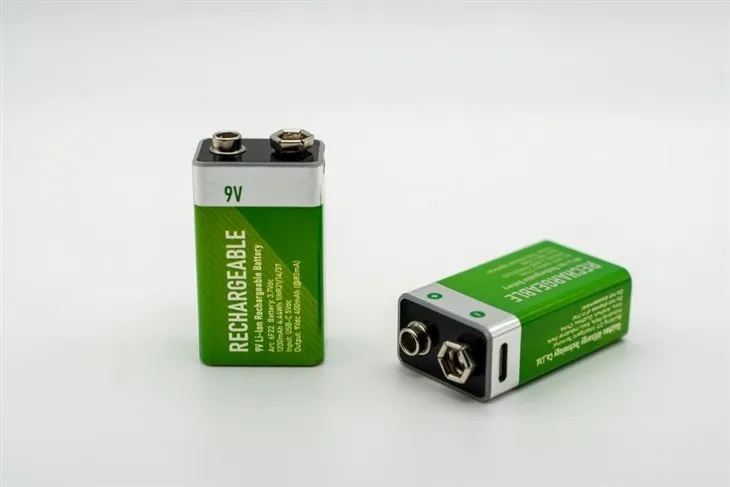

Humidity is another factor that can impact the long - term storage of lithium 123a batteries. Moisture can cause corrosion of the battery terminals and other internal components, leading to a decrease in battery performance and potentially causing safety issues. Therefore, it is important to store lithium 123a batteries in a dry environment with a relative humidity of less than 60%.
Safety Considerations for Long - Term Storage
Safety is always a top priority when it comes to battery storage. Lithium 123a batteries are generally safe for long - term storage, but there are some precautions that need to be taken. One of the main safety concerns is the risk of thermal runaway, which can occur if the battery is damaged, overheated, or short - circuited.
To prevent thermal runaway during long - term storage, it is important to store the batteries in a proper container that provides insulation and protection against physical damage. Avoid storing the batteries in direct sunlight or near heat sources. Additionally, make sure to store the batteries in a way that prevents them from coming into contact with conductive materials that could cause a short - circuit.
It is also recommended to periodically check the stored batteries for any signs of damage or leakage. If a battery shows signs of swelling, leakage, or discoloration, it should be disposed of properly according to local regulations.
Applications and Suitability for Long - Term Storage
Lithium 123a batteries are commonly used in a variety of applications that require long - term reliability. Some of these applications include:
- Security Systems: Security cameras, motion sensors, and alarm systems often rely on lithium 123a batteries for backup power. In case of a power outage, these batteries need to be able to provide reliable power for an extended period. The long shelf life and low self - discharge rate of lithium 123a batteries make them an ideal choice for these applications.
- Flashlights and Torches: Many high - performance flashlights use lithium 123a batteries. For outdoor enthusiasts or emergency responders, having a flashlight with a battery that can be stored for a long time without losing its charge is essential.
- Medical Devices: Some medical devices, such as glucometers and hearing aids, use lithium 123a batteries. These devices require a reliable power source, and the long - term storage capabilities of lithium 123a batteries ensure that they are ready for use when needed.
Comparison with Other Battery Types
When considering long - term storage, it is useful to compare lithium 123a batteries with other battery types. For example, the 9V Lithium Polymer Rechargeable Battery offers a different set of advantages and disadvantages. While rechargeable batteries can be reused multiple times, they often have a shorter shelf life and a higher self - discharge rate compared to primary lithium 123a batteries.
Similarly, the D Size Lithium Battery and Lithium Ion D Cell Rechargeable are larger in size and may be suitable for applications that require more power. However, they may also have different storage requirements and performance characteristics compared to lithium 123a batteries.
Conclusion
In conclusion, lithium 123a batteries are highly suitable for long - term storage. Their low self - discharge rate, long shelf life, and stable chemical composition make them an ideal choice for applications that require reliable power over an extended period. However, it is important to store the batteries under proper conditions to ensure their optimal performance and safety.
If you are in need of high - quality lithium 123a batteries for long - term storage or any other application, I encourage you to reach out for a procurement discussion. We can provide you with detailed information about our products, pricing, and delivery options.
References
- Linden, D., & Reddy, T. B. (2002). Handbook of Batteries. McGraw - Hill.
- IEC 60086 - 1:2015, Primary batteries - Part 1: General requirements.
- ANSI C18.1M - 2012, American National Standard for Portable Primary Cells and Batteries - General and Information.